Health March 31, 2026
Medicare Drug Coverage and Cost Assistance Options for 2026
If you rely on Medicare for your prescriptions, the financial rules changed dramatically at the start of 2025. For many seniors who worried about runaway drug bills, the conversation has finally shifted from uncertainty to predictability. With the new $2,000 annual out-of-pocket capfor 2025, the "donut hole" era is officially behind us. As we move through March 2026, understanding how these new protections work alongside your monthly premiums is critical to avoiding unnecessary spending.
How the New Part D Structure Works
Before 2025, the Medicare Part DPrescription Drug Coverage had four confusing phases. Beneficiaries would pay a deductible, enter initial coverage, hit a coverage gap, and finally reach catastrophic coverage. The Inflation Reduction ActIRA removed that middle chaos. Now, there is a hard ceiling on what you pay for covered drugs each year.
For 2025, that ceiling sat firmly at $2,000. Once your total spending on deductibles, copayments, and coinsurance hits that mark, you owe nothing for the rest of the year. Your plan, the government, and drug manufacturers pick up the full tab for the remainder of 2026. Looking ahead, the threshold for 2026 has been adjusted to $2,100 to account for inflation adjustments. This isn't just a minor tweak; it fundamentally guarantees that no Medicare enrollee will face an unlimited bill for their maintenance medications.
Breaking Down the Costs You Might See
Even with a cap, you still pay before hitting that limit. Here is exactly where your money goes during the plan year:
| Phase | Your Cost | Notes |
|---|---|---|
| Deductible | Up to $590 | Standard cap; some plans offer $0 |
| Initial Coverage | 25% Coinsurance | You pay a share until cap is reached |
| Catastrophic | $0 | After out-of-pocket max is met |
The standard deductible for 2026 remains capped near the $590 mark set previously, though many low-premium plans set this lower to attract enrollees. During the initial phase, you pay a percentage of the drug price-typically 25%-while your plan covers the rest. Importantly, only payments toward the actual drugs count toward your out-of-pocket limit. Premiums, non-covered drugs, and late fees do not contribute to reaching the $2,000/$2,100 maximum.
Is There Extra Help Available?
Paying even a portion of drug costs can be difficult on a fixed income. That is why the Low-Income SubsidyExtra Help exists. Unlike commercial insurance plans that leave low-income seniors behind, this federal program provides robust financial scaffolding. Roughly 14.5 million beneficiaries currently rely on this subsidy.
If you qualify, the program helps pay for your Part D premium, reduces your deductible, and lowers the copays you owe at the pharmacy counter. Qualification depends on your income and limited resources. Many people don't realize they might qualify automatically through Social Security. If you receive SSI or a "Qualified Income Supplement" (QID), you generally get it automatically.

Choosing Between Stand-Alone Plans and Medicare Advantage
Navigating the marketplace requires knowing the difference between a Prescription Drug PlanPDP and a Medicare Advantage PlanMA-PD. The market has shifted significantly toward integrated care. In 2025, roughly half of all beneficiaries chose plans that bundled medical and drug coverage together.
Here is the trade-off:
- Stand-Alone PDP: Best for Original Medicare users needing standalone drug coverage. Offers more flexibility in choosing doctors but lacks extra perks like vision or dental.
- Medicare Advantage (MA-PD): Bundles Part A, B, and D. Often includes lower premiums and additional benefits like gym memberships or transportation, but restricts you to network providers.
When checking options, look closely at the FormularyDrug List. Just because a plan is cheaper doesn't mean it covers your specific brand name medications. All Part D plans must cover at least two drugs in every therapeutic category, but preferred pharmacies often dictate whether you pay more or less at checkout.
Insulin and Specialty Drug Protections
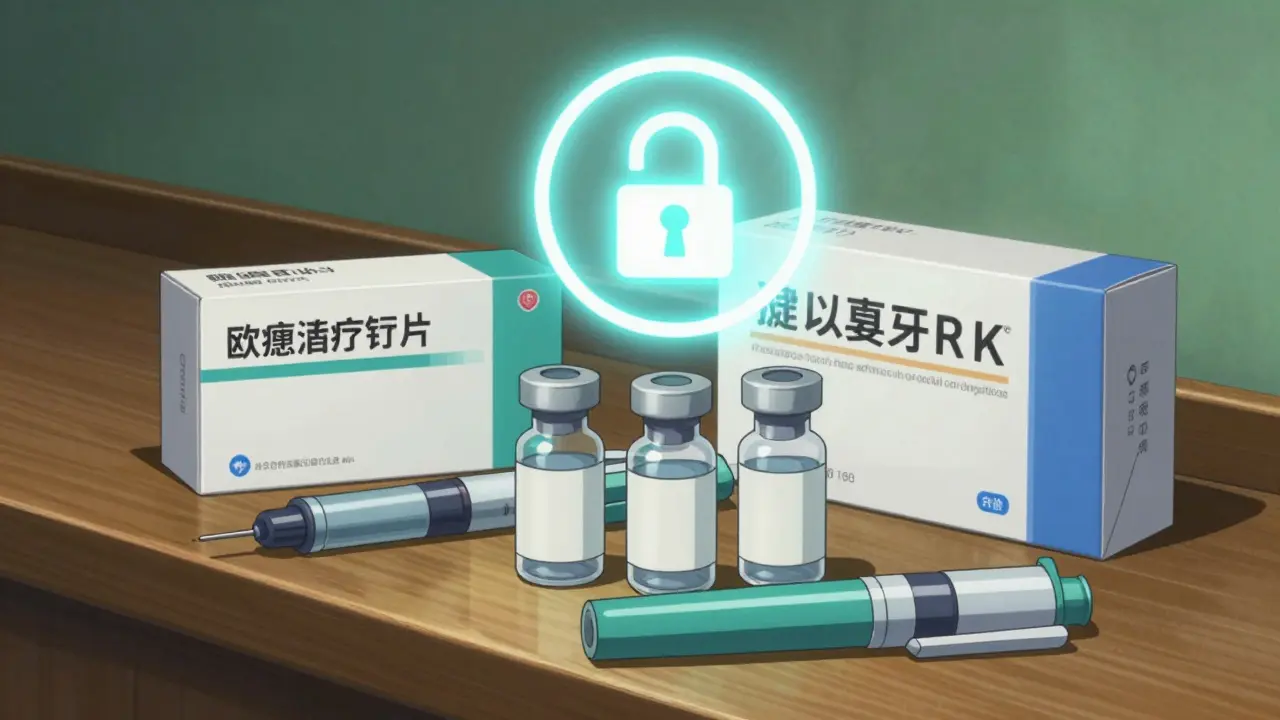
A massive benefit rolled out recently specifically targets diabetics. If you use insulin, your plan is required to cap your cost at $35 per month for a 30-day supply. This applies to both Part B (injections) and Part D (oral/insulin pens). This change alone has saved millions of dollars across the community.
Beyond insulin, certain specialty drugs-often used for cancer or autoimmune diseases-are covered differently. These high-cost drugs might trigger catastrophic coverage faster, but the path to the cap remains the same. You simply accumulate your share of costs until the $2,000 (or 2026 equivalent) is reached.
Tools to Navigate Your Options
Don't rely on autopilot. Statistics show that over 80% of beneficiaries renew their coverage without checking if a better deal exists. The Centers for Medicare & Medicaid ServicesCMS offers a free online tool called Medicare Plan Finder. By inputting your zip code and current medications, you can see exactly how much you would pay in different networks.
For personalized help, contact your local State Health Insurance Assistance ProgramSHIP. These organizations provide unbiased counseling and won't push you toward any specific plan. They are funded to help you understand your rights and navigate complex enrollment windows.
Enrollment Periods You Cannot Miss
To switch plans or buy coverage for the coming year, timing is everything. The annual Open Enrollment period runs from October 15 to December 7. Coverage changes made during this window take effect January 1. Missing this deadline often means being stuck with your current rates until next fall.
Does the out-of-pocket cap include my monthly premium?
No. The $2,000 (2025) or $2,100 (2026) limit only counts money you spend on the drugs themselves-deductibles, copays, and coinsurance. Your monthly subscription fees do not count toward this maximum.
What happens if I need a drug not on my plan's list?
If a medication isn't covered, it does not count toward your out-of-pocket limit. You should ask your doctor to request a formulary exception or switch to a covered alternative before the coverage gap hits.
How do I apply for the Low-Income Subsidy?
You can apply directly through Social Security or by calling 1-800-MEDICARE. If you meet the income requirements, you may be enrolled automatically without paying an application fee.
Can I change my plan after open enrollment ends?
Generally, no. Exceptions exist for special enrollment periods if you move, lose coverage, or qualify for certain life events. Contact Medicare immediately if your situation changes unexpectedly.
Why are fewer PDPs available in 2026?
Market consolidation has reduced stand-alone options as many companies shift focus to Medicare Advantage bundles. While choice may feel smaller, the standardized benefits ensure core protections remain consistent across providers.