Health August 28, 2026
Medication Photosensitivity: Sun Safety Guide & Skin Protection Tips
Medication Photosensitivity Risk Assessor
1. Identify Your Medications
Step 1
Search for your current prescriptions or supplements to see if they increase sun sensitivity.
No medications added yet.
2. Check Current UV Index
Step 2
Enter the current UV Index for your location to determine baseline risk.
Source: Weather app or local meteorological service.
UV Risk Level
Awaiting Input
3. Personalized Sun Protection Checklist
Action Plan
Daily Safety Habits
Your Risk Assessment
?
Calculate Below
Add medications and enter UV index to see your specific risk profile.
Note: This tool is for educational purposes only. Always consult your pharmacist or doctor regarding specific medication interactions and sun safety protocols.
You just started a new prescription, and the doctor mentioned it might make you sensitive to the sun. You shrug it off, thinking, "I'll just wear sunscreen." But here’s the catch: standard SPF 30 often fails when your body is loaded with certain drugs. In fact, medication photosensitivity affects up to 20% of people taking specific medications, yet nearly 70% of these cases are misdiagnosed or ignored until a severe reaction occurs.
This isn't just about getting a mild tan that turns red. It’s about preventing chemical burns, chronic skin damage, and even increased cancer risk. If you’re on antibiotics, heart meds, or common painkillers, your skin is playing defense against ultraviolet radiation (UV) while fighting off a drug that makes it more vulnerable. Let’s break down exactly how this happens, which pills are the biggest culprits, and the specific steps you need to take to keep your skin safe without giving up your daily life.
What Is Medication Photosensitivity?
Drug-induced photosensitivity (DIP) is a cutaneous adverse drug reaction resulting from the interaction between ultraviolet radiation and medications. First systematically described in the 1960s, this condition occurs when drug molecules absorb UV light-specifically UVA wavelengths ranging from 320 to 400 nm-and generate reactive oxygen species (ROS). These ROS cause direct cellular damage through lipid peroxidation and membrane disruption. According to the National Institutes of Health, approximately 1,000 medications are now recognized as potential photosensitizers.
The reaction isn't one-size-fits-all. Clinicians classify DIP into two primary mechanisms:
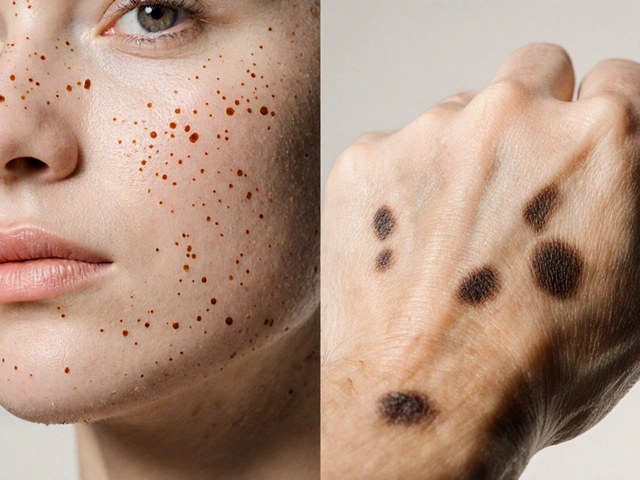
- Phototoxicity: Accounts for 95% of cases. This is a dose-dependent reaction where the drug acts like a sponge for UV rays. Symptoms appear immediately, usually within 30 minutes to 2 hours of exposure. It looks like an exaggerated sunburn: redness, swelling, burning, and sometimes blisters.
- Photoallergy: Accounts for 5% of cases. This is a delayed immune response (Type IV hypersensitivity). The UV converts the drug into a photoantigen that binds to skin proteins. The rash appears 24 to 72 hours later and can spread to areas not exposed to the sun.
Understanding the difference matters because phototoxicity requires strict avoidance of UV during the course of treatment, while photoallergy may persist long after you stop the medication if your immune system has already "learned" to react.
Common Culprits: Which Medications Cause Reactions?
You don’t need to be on exotic experimental drugs to face this risk. Many everyday prescriptions are known triggers. The Skin Cancer Foundation reports that 40% of photosensitivity cases involve antibiotics, 25% involve cardiovascular medications, and 15% involve NSAIDs.
| Medication Class | Specific Examples | Reaction Type | Incidence Rate |
|---|---|---|---|
| Tetracyclines | Doxycycline, Minocycline | Phototoxicity | 10-20% of users |
| Amiodarone | Cordarone | Phototoxicity | 25-75% of long-term users |
| NSAIDs | Ketoprofen, Ibuprofen | Phototoxicity / Photoallergy | 1-3% of users |
| Fluoroquinolones | Ciprofloxacin, Levofloxacin | Phototoxicity | 1-2% of users |
| Sulfonamides | Sulfamethoxazole | Photoallergy | Low but significant |
Note that Amiodarone is particularly notorious. The FDA confirms that phototoxic reactions can persist for up to 20 years after discontinuation. If you’ve taken it for heart rhythm issues, you need to remain vigilant about sun protection for decades, not just weeks.

Why Standard Sunscreen Often Fails
If you’ve ever applied sunscreen and still burned, you’re not alone. For those with medication-induced sensitivity, the problem is compounded. Dr. Robert Stern noted in JAMA Dermatology (2022) that only 35% of SPF 50+ sunscreens provide adequate UVA protection as measured by critical wavelength testing. Since most drug-induced reactions are triggered by UVA, not just UVB, a high SPF number doesn't guarantee safety if the UVA filter is weak.
Furthermore, application technique is a major failure point. Dermatologists at Mayo Clinic report that patients typically apply only 25-50% of the recommended amount of sunscreen. To get true protection, you need to apply 2 mg/cm², which translates to about one ounce (a shot glass full) for your entire body. Most people use half that, effectively cutting their protection in half.
Here’s what works better than just slapping on lotion:
- Choose Mineral Filters: Look for zinc oxide (minimum 15% concentration) or titanium dioxide. These physical blockers reflect both UVA and UVB rays and are less likely to cause irritation on sensitized skin.
- Go Broad-Spectrum SPF 50+: Chemical filters can sometimes exacerbate reactions. Mineral-based broad-spectrum sunscreens are the gold standard for DIP patients.
- Reapply Every 2 Hours: Sweat and friction degrade sunscreen quickly. If you’re outdoors, set a timer.
Beyond Lotion: The Power of Physical Barriers
Sunscreen is important, but clothing is superior. The Skin Cancer Foundation reports that UPF 50+ clothing blocks 98% of UV radiation, whereas standard cotton t-shirts block only 3-20%. When your skin is chemically sensitized, that gap is the difference between comfort and pain.
Investing in specialized photoprotective clothing is one of the most effective strategies available. Brands like Coolibar and Solbari have been independently tested to maintain their UPF ratings even after washing. A user named 'UVWarrior' on MyHealthTeams reported a 90% reduction in symptoms simply by switching to UPF 50+ long-sleeve shirts and wide-brimmed hats.
Key gear to consider includes:
- UPF 50+ Long-Sleeve Shirts: Essential for arms and shoulders, which are prime targets for sun exposure.
- Wide-Brimmed Hats: Protects the scalp, ears, and neck, areas often missed by sunscreen.
- UV-Blocking Sunglasses: Prevents periocular dermatitis and protects delicate eye area skin.

Monitoring Your Risk: Tools and Habits
You can’t protect against what you don’t measure. The UV Index is your best friend. Cleveland Clinic studies show a 40% reduction in reactions when patients limit outdoor activity during times when the UV index exceeds 3. Apps like UVLens provide real-time exposure risk assessment based on your location and time of day.
Developing a routine helps automate safety. Here is a simple daily checklist for anyone on photosensitizing meds:
- Morning: Check the UV forecast. If it’s above 3, plan indoor activities or shade breaks for midday.
- Before Going Out: Apply mineral sunscreen to all exposed skin. Don’t forget the tops of your feet and behind your ears.
- During Exposure: Wear UPF clothing. Stay in shade when possible.
- Evening: Review any redness. If you see a reaction, document it and contact your provider. Early intervention prevents chronic changes like hyperpigmentation.
Communication with your healthcare team is also critical. The Patient Experience Network survey found that 68% of DIP patients received no sun safety counseling at medication initiation. Ask your pharmacist or doctor specifically: "Does this drug increase my sun sensitivity? What specific precautions should I take?"
Long-Term Implications and Future Outlook
Ignoring medication photosensitivity isn't just uncomfortable; it’s risky. The Skin Cancer Foundation reports that photosensitizing medications increase skin cancer risk by up to 60% in chronically exposed patients. The American Cancer Society projects that better management of DIP could prevent 2,000-3,000 non-melanoma skin cancer cases annually in the United States alone.
The landscape is changing. The FDA’s 2022 requirement for photosensitivity warnings on over 200 high-risk medications has improved labeling clarity. Additionally, the Photodermatology Research Consortium is working on "smart" sunscreens that change color based on UV intensity, aiming to help users know when they’ve exceeded safe limits. Genomic testing companies like 23andMe have launched panels that identify genetic variants associated with increased reaction risk, offering personalized advice in the future.
For now, the best defense remains proactive behavior. By combining mineral sunscreens, UPF clothing, and smart scheduling around the UV index, you can significantly reduce your risk of severe reactions and protect your long-term skin health.
How long does medication photosensitivity last?
It depends on the type of reaction. Phototoxicity usually resolves shortly after stopping the medication, though some drugs like Amiodarone can cause effects lasting up to 20 years. Photoallergy can persist indefinitely once the immune system is sensitized, requiring ongoing avoidance of the trigger drug and strict sun protection.
Is chemical or mineral sunscreen better for photosensitivity?
Mineral sunscreens containing zinc oxide or titanium dioxide are generally preferred. They sit on top of the skin rather than being absorbed, reducing the risk of additional irritation. Chemical filters can sometimes act as secondary irritants for already sensitive skin.
Can I go outside if I'm on a photosensitizing drug?
Yes, but with precautions. Avoid peak UV hours (10 AM to 4 PM) when possible. Use broad-spectrum SPF 50+ mineral sunscreen, wear UPF 50+ clothing, and seek shade. Limiting exposure duration is key to preventing cumulative damage.
Which vitamins or supplements cause sun sensitivity?
While many prescription drugs are known triggers, some supplements like St. John's Wort and high doses of Vitamin A derivatives can also increase photosensitivity. Always check labels or consult a pharmacist if you are unsure about OTC products or herbal supplements.
How do I know if my rash is from medication or something else?
If the rash appears only in sun-exposed areas shortly after starting a new medication, it’s likely phototoxicity. If it spreads to unexposed areas and appears days later, it may be photoallergic. Keep a log of your medication start dates and symptom onset. A dermatologist can perform photopatch testing to confirm the diagnosis, though this is positive in only 30-40% of cases.