Health December 11, 2025
Addressing Patient Concerns About Generic Medications: Common Questions Answered
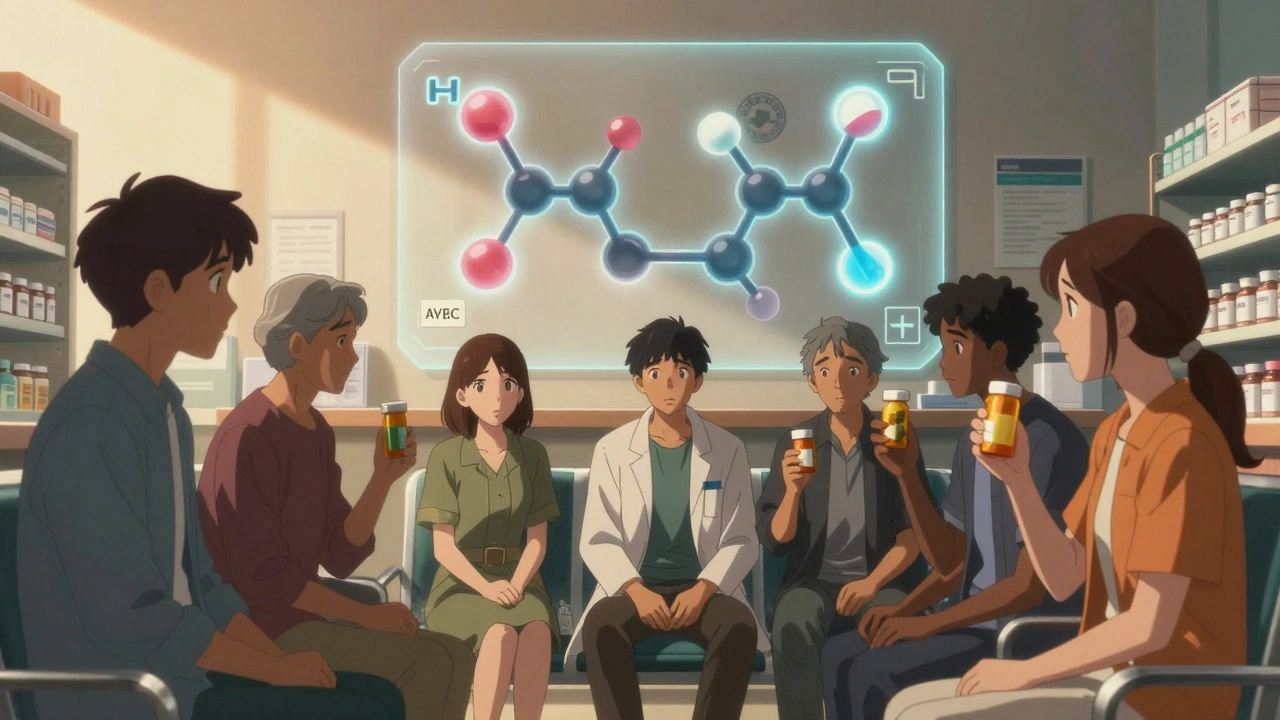
When your doctor prescribes a generic drug, you might feel unsure. Maybe you’ve heard stories from friends who say it didn’t work as well. Or maybe you’re worried it’s not real medicine. You’re not alone. Millions of people in the U.S. take generics every day-and most don’t even realize it. But the doubts are real. So let’s cut through the noise and answer the questions you’re actually asking.
Are generic drugs really the same as brand-name ones?
Yes. A generic drug has the same active ingredient, in the same strength, and works the same way in your body as the brand-name version. The U.S. Food and Drug Administration (FDA) requires this. It’s not a guess. It’s not a suggestion. It’s a legal requirement.
Before a generic drug can be sold, the manufacturer must prove it’s bioequivalent. That means the amount of medicine your body absorbs is within 80% to 125% of the brand-name drug. That’s a tight range-tighter than the variation you’d see between two batches of the same brand-name pill made months apart.
And here’s something most people don’t know: about half of all generic drugs are made by the same companies that make the brand-name versions. So if you’ve been taking a brand-name drug for years, you might already be taking a generic version without knowing it.
Why do generic pills look different?
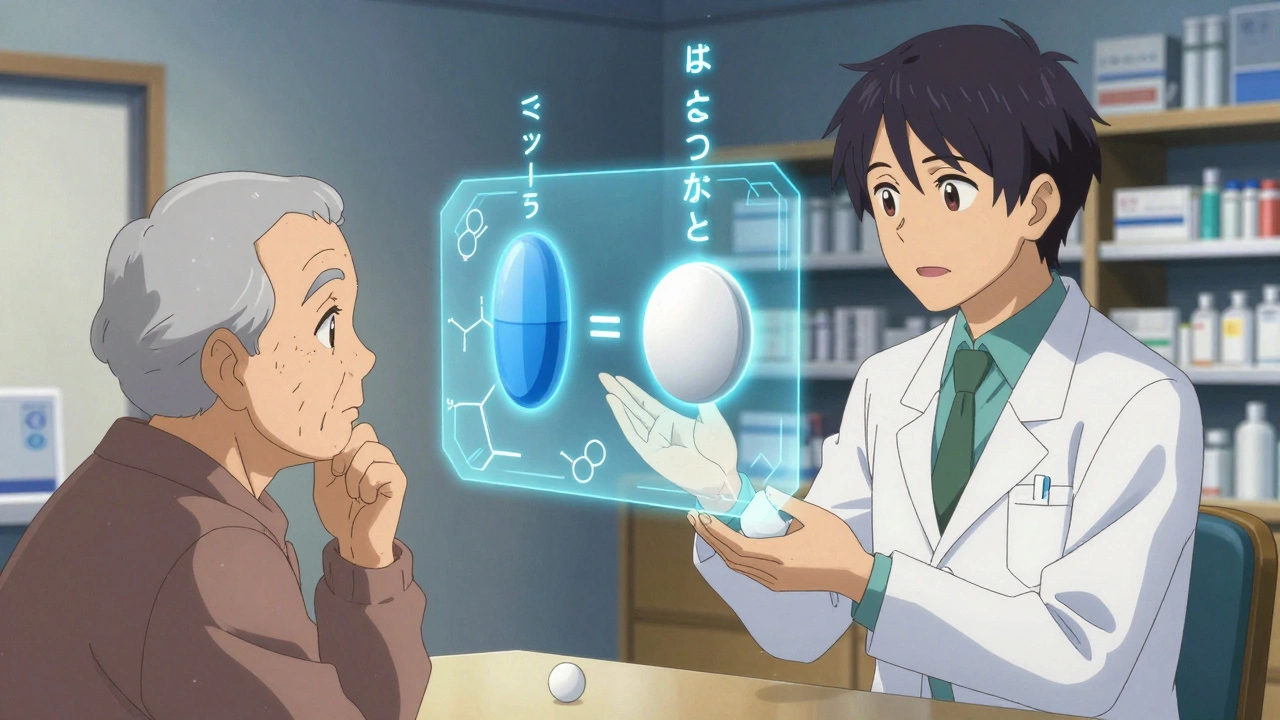
They’re allowed to. The FDA doesn’t require generics to look exactly like the brand-name drug. That’s because the shape, color, or flavor of a pill is usually just for branding-not function. The active ingredient is identical. But the fillers, dyes, or coatings can be different. That’s why your generic metformin might be white and round instead of blue and oval.
If you notice a change in how your pill looks, don’t panic. But do check with your pharmacist. Sometimes, a new batch comes in from a different manufacturer. That’s normal. But if you feel different after switching-like more side effects or less relief-that’s worth talking about.
Do generics cause more side effects?
No. Side effects come from the active ingredient, not the brand. If your brand-name blood pressure pill made you dizzy, the generic version will too. That’s because they contain the same medicine.
But here’s where confusion happens: people mix up side effects with lack of effectiveness. Maybe you switched to a generic and your headaches didn’t go away. That doesn’t mean the drug didn’t work. It might mean your condition needs a different approach. Or maybe your body just needed time to adjust.
One common myth is that generics have “more in it to make it stronger.” That’s not true. They don’t contain extra chemicals to boost effect. They contain the exact same active ingredient, at the exact same dose.
Can generic drugs be fake or counterfeit?
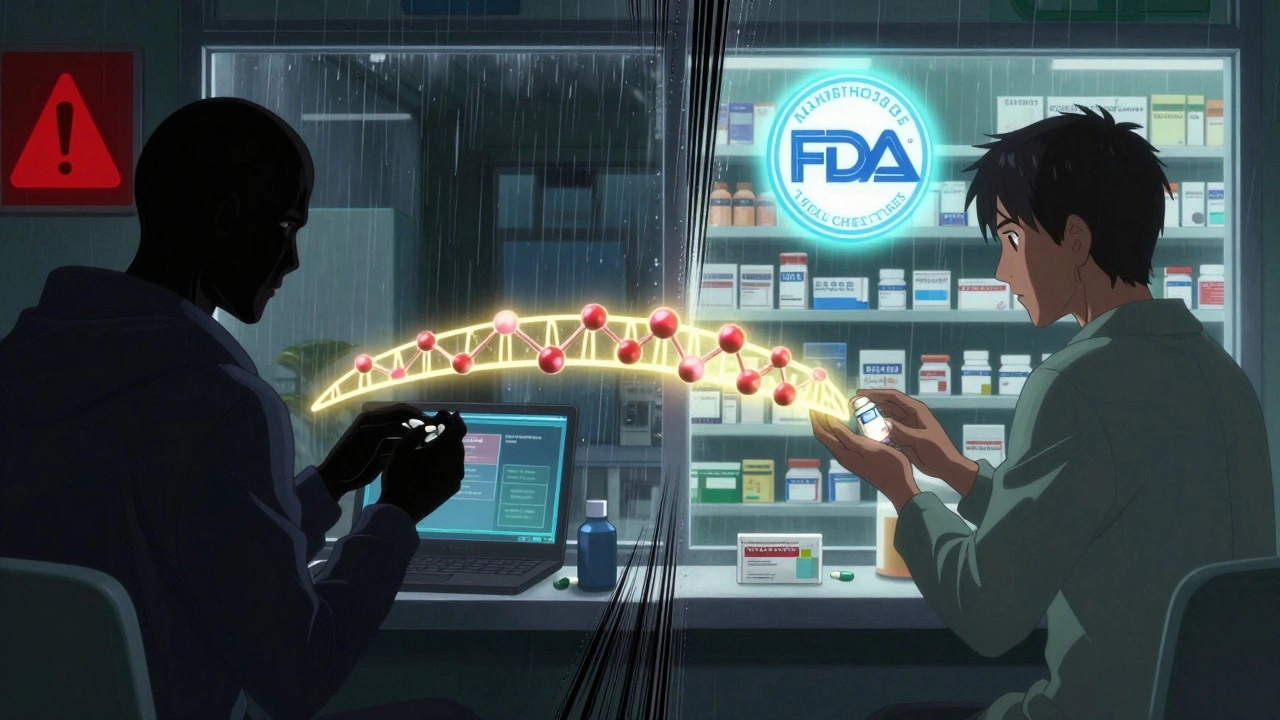
Not if you get them from a licensed pharmacy in the U.S. The FDA inspects every generic drug factory-both domestic and overseas. They check the ingredients, the manufacturing process, and the quality controls. Since 2018, the FDA’s Risk Identification and Correction Action Program has fixed over 1,200 potential quality issues in generic drug production.
Counterfeit drugs do exist-but they show up in online pharmacies that don’t require prescriptions, or from unregulated sellers. If you’re getting your meds from a local pharmacy, a hospital, or a trusted mail-order service, you’re safe. Don’t buy pills from websites that look sketchy or offer “discounts” that sound too good to be true.
Are there any drugs where generics aren’t safe to use?
Yes. A small group of medications have what’s called a narrow therapeutic index. That means there’s a very small gap between the dose that works and the dose that’s dangerous. For these, even tiny changes in how your body absorbs the drug can matter.
Examples include:
- Warfarin (a blood thinner)
- Levothyroxine (for thyroid conditions)
- Phenytoin and levetiracetam (for seizures)
If you take one of these, your doctor might choose to keep you on the brand-name version-or monitor you closely if you switch. That’s not because generics are unsafe. It’s because these drugs demand precision. Your doctor will let you know if this applies to you.
Why are generics so much cheaper?
Because they don’t have to pay for the original research. Brand-name drugs cost billions to develop. Companies spend years running clinical trials, hiring scientists, and marketing the product. Once the patent expires, other companies can make the same drug without repeating all that work.
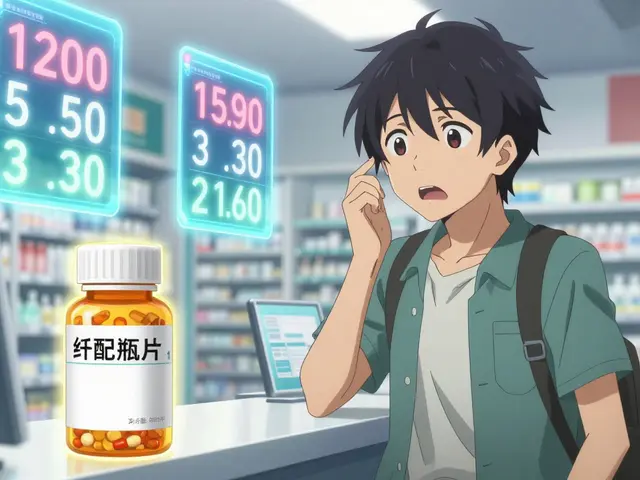
That’s why generics cost 80% to 85% less. In 2022, the average generic prescription saved patients $442 compared to the brand-name version. Over the past decade, generics saved the U.S. healthcare system more than $2.2 trillion.
And here’s the kicker: more than one company can make the same generic. That competition drives prices even lower. You’re not paying for advertising. You’re not paying for fancy packaging. You’re paying for the medicine.
Why do some people still distrust generics?
It’s not just about science. It’s about trust, experience, and culture.
A 2014 study found that non-Caucasian patients were more likely to prefer brand-name drugs-even when the evidence showed no difference. Some patients heard stories from family or friends who said the generic “didn’t work.” Others worried that cheaper meant lower quality. One rural patient told researchers: “They use more synthetic[s]… you might get more of a headache.”
These fears aren’t irrational. They come from real experiences. Maybe someone switched and felt worse. But that doesn’t mean the drug failed. It might have been a coincidence. Or maybe the body needed time to adjust. Or maybe another factor-stress, diet, sleep-was to blame.
That’s why communication matters. If your pharmacist takes five minutes to explain what’s in your pill, or your doctor says, “This is the same medicine, just cheaper,” it makes a difference.
What should you do if you think the generic isn’t working?
Don’t stop taking it. Don’t switch back on your own. Call your doctor or pharmacist.
Start by asking: “Is this a new manufacturer?” Sometimes, your pharmacy switches suppliers. That’s normal. But if you notice new side effects-like nausea, dizziness, or rash-write them down. Note when they started. How often they happen. That info helps your provider decide if it’s the drug or something else.
For most people, the answer is: give it time. Your body needs 2 to 4 weeks to adjust to a new formulation. But if you’re on a narrow therapeutic index drug, your provider might want to check your blood levels after 30 days.
And if you’re still not sure? Ask your doctor to write “Do not substitute” on the prescription. That means the pharmacist must give you the brand-name version. It’s your right.
Who decides if I get a generic?
In most cases, it’s the pharmacist. State laws allow them to swap a brand-name drug for a generic unless the doctor says “Do not substitute.” That’s why you might get a different pill than you expected.
But here’s the thing: your doctor might not even know a generic is available. Drug markets change fast. New generics come out every month. Pharmacists track those changes. They’re often the best person to tell you if a cheaper option exists.
If you’re on a tight budget, ask your pharmacist: “Is there a generic for this? And is it covered by my insurance?” They can help you find the most affordable option without sacrificing safety.
What’s the bottom line?
Generic drugs are safe. They’re effective. They’re the same medicine. The only difference is the price.
90% of prescriptions in the U.S. are filled with generics. That’s not because people are being tricked. It’s because they work. And they save lives-by making treatment affordable.
If you’re worried, talk to someone who knows: your pharmacist or your doctor. Ask questions. Get facts. Don’t let myths keep you from the care you need.
Medicine isn’t about brands. It’s about results. And generics deliver.
Write a comment
Items marked with * are required.





11 Comments
Audrey Crothers December 12, 2025 AT 14:48
I switched to generic metformin last year and was terrified at first-like, what if it’s just sugar pills?? 😅 But my blood sugar’s actually better now! My pharmacist said the FDA checks these like a hawk. So chill, y’all. Same medicine, way cheaper. 💕
Stacy Foster December 13, 2025 AT 19:24
They’re lying. The FDA is owned by Big Pharma. Generics are filled with fillers that cause anxiety, brain fog, and weird dreams. I read a Reddit thread from a guy in Nebraska who lost his job after switching. They’re testing on us. You think they care if you’re dizzy? Nope. They just want your insurance to pay less. 🕵️♀️
Robert Webb December 15, 2025 AT 05:55
It’s important to recognize that distrust in generics often comes from real lived experiences-especially among communities that have been historically underserved or misled by the medical system. I’ve had patients tell me their grandfather took a generic and ‘got worse,’ and that story became family lore. But when we dig into it, the timing was coincidental-he started a new job, stopped sleeping, and ate more processed food. The drug didn’t change. Life did. We need more pharmacists and doctors taking five minutes to explain this, not just handing out pills and walking away. It’s not just science-it’s trust-building. And trust takes time.
Rob Purvis December 16, 2025 AT 08:20
Just to clarify: bioequivalence is 80–125%-yes, that’s correct. But that range includes variability in absorption across individuals. So while the average is the same, some people might absorb 82% and others 124%. That’s why, for drugs like warfarin, even a 5% shift can matter. That’s not the fault of generics-it’s just pharmacokinetics. Also, yes, the same companies make both. Eli Lilly makes both brand and generic insulin. So if you’re mad at the brand, you’re mad at the same factory. Just with a different label.
Laura Weemering December 16, 2025 AT 21:37
It’s fascinating how capitalism rebrands desperation as ‘affordability.’ You’re not saving money-you’re being coerced into accepting a lower-tier version of your life-saving medication. And let’s not pretend the FDA inspections are rigorous. They’re underfunded, understaffed, and outsourced. The ‘1,200 issues fixed’ statistic? That’s just the ones they caught. The ones they didn’t? We’re the lab rats. I’ve been on levothyroxine for 12 years. I refuse to let a corporate algorithm decide my dose.
Levi Cooper December 16, 2025 AT 23:44
Why are we letting foreign factories make our medicine? China and India don’t even have the same health standards. This is national security. If your heart meds come from a plant in Bangalore with no OSHA rules, you’re playing Russian roulette. We used to make this stuff here. Now we’re begging for scraps. This isn’t cheap-it’s cowardly.
Nathan Fatal December 18, 2025 AT 22:07
One thing no one talks about: the placebo effect works both ways. If you believe the generic won’t work, your body often responds accordingly. I had a patient with chronic migraines who swore the generic sumatriptan didn’t help-until we did a double-blind switch. She couldn’t tell which was which. Her headaches improved equally. The mind is powerful. Sometimes the difference isn’t in the pill-it’s in the story you tell yourself about it.
wendy b December 19, 2025 AT 14:33
Let’s be real-generics are fine for diabetics and high blood pressure, but if you’re on something like antidepressants? Don’t risk it. The active ingredient might be the same, but the fillers? Totally different. I read a study-well, I think it was a study-that said the binders in generics can affect serotonin absorption. Or maybe it was cortisol. Anyway, my friend’s cousin’s neighbor had a nervous breakdown after switching. So… yeah. Don’t be a guinea pig.
Donna Anderson December 21, 2025 AT 10:40
Y’all are overthinking this. I’ve been on generics for 8 years-thyroid, blood pressure, cholesterol. I feel GREAT. My wallet too. Stop listening to scary stories on Facebook. Go talk to your pharmacist. They’re the real MVPs. And if you’re worried? Ask for the brand. No shame. But don’t let fear stop you from getting healthy. You got this!! 💪
sandeep sanigarapu December 21, 2025 AT 17:48
In India, generics are the only option for most people. We do not have the luxury of brand-name drugs. Yet, our healthcare outcomes are comparable. The science is not debatable. The FDA standards are robust. Trust the data, not the fear. A pill is a pill. Its purpose is to heal. Let it do its job.
Ashley Skipp December 21, 2025 AT 20:41
My doctor switched me to generic and I felt like crap for two weeks. So I went back to brand. Done. End of story. No need to explain. I’m not a lab rat.