Health February 2, 2026
Stimulants for ADHD: What You Need to Know About Cardiovascular and Sleep Side Effects
Stimulants for ADHD: What You Need to Know About Cardiovascular and Sleep Side Effects
If you or someone you care about is taking medication for ADHD, you’ve probably heard the warnings: stimulants might raise blood pressure, speed up your heart, or mess with your sleep. It’s scary stuff-especially when you’re trying to help a child focus in school or an adult get through a workday. But here’s the truth most doctors won’t say out loud: for most people, these risks are small. Not zero. Not negligible. But small enough that the benefits often outweigh them-if you’re watching closely.
Let’s cut through the noise. This isn’t about whether stimulants are good or bad. It’s about understanding what actually happens in your body when you take them, how often problems show up, and what you can do to stay safe.
How ADHD Stimulants Work (And Why They Affect Your Heart)
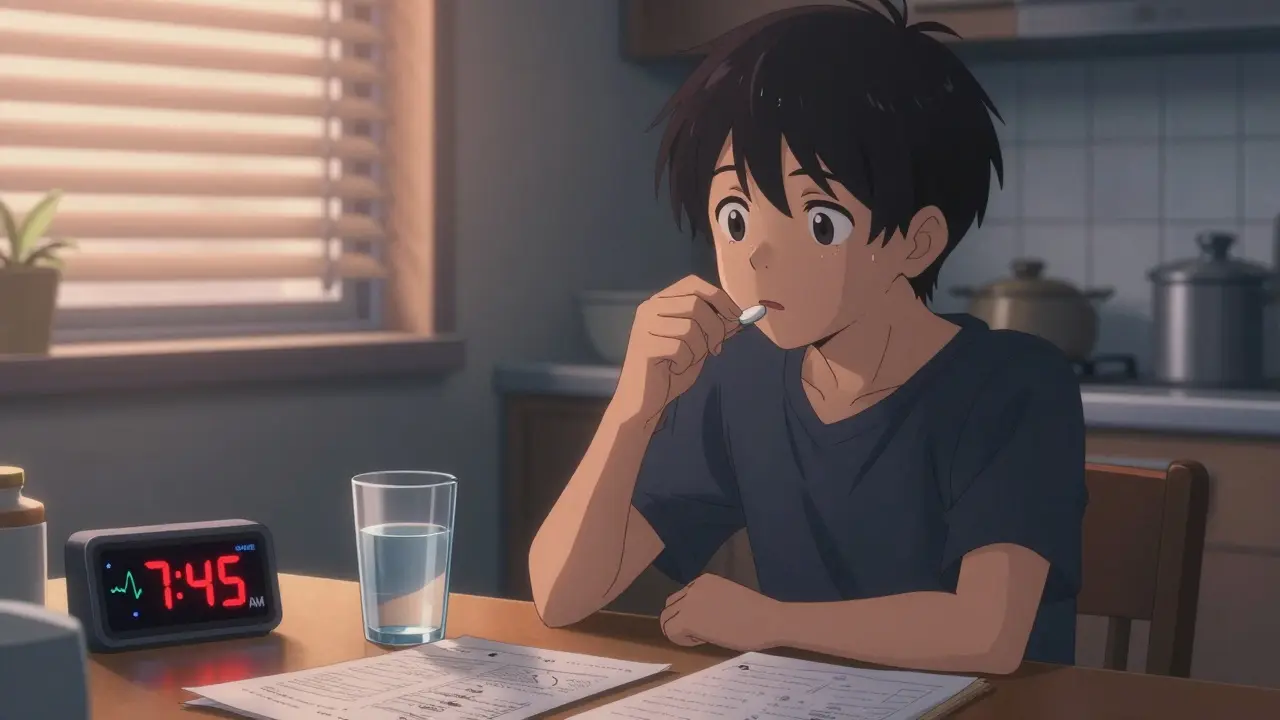
Stimulants like methylphenidate (Ritalin, Concerta) and amphetamines (Adderall, Vyvanse) don’t just make you more alert-they flood your brain with dopamine and norepinephrine. That’s why they help with focus, impulse control, and hyperactivity. But those same chemicals also hit your heart and blood vessels. Your heart doesn’t know the difference between a brain signal and a body signal. So when the drug tells your brain to wake up, your heart gets the message too.
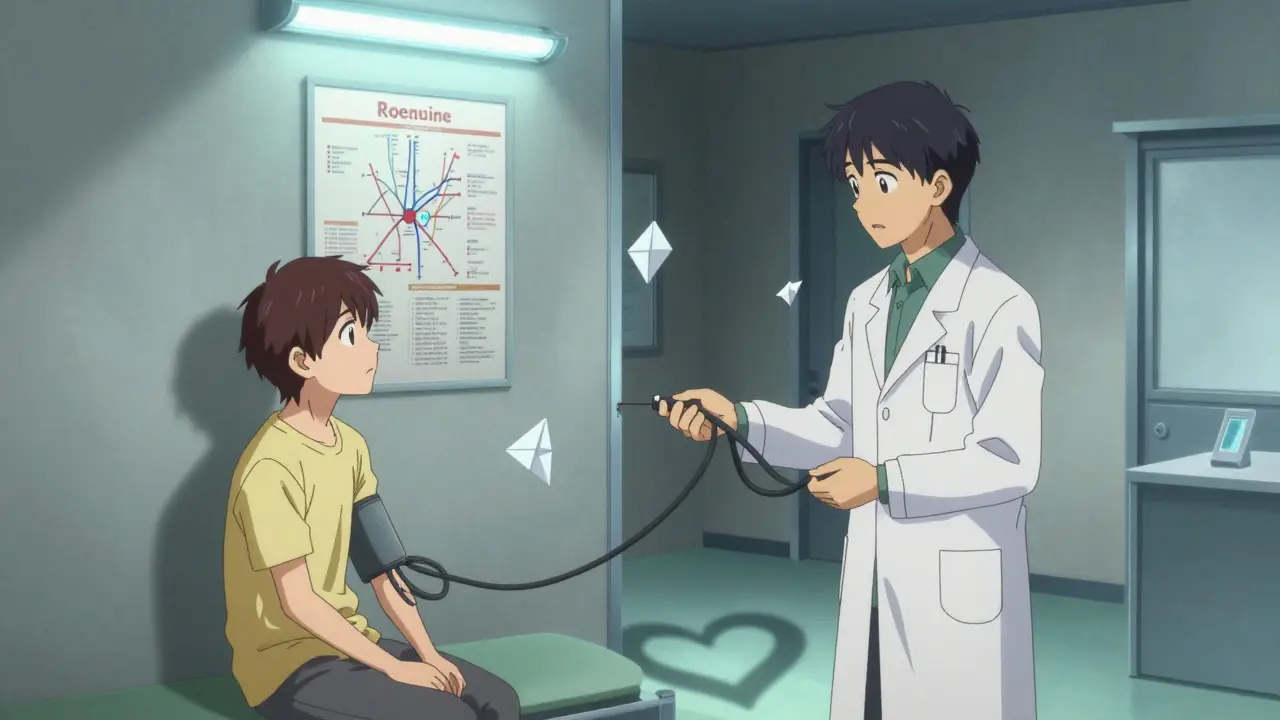
Studies show that after weeks or months of use, stimulants typically raise systolic blood pressure by 1 to 4 mmHg and increase heart rate by 1 to 2 beats per minute. That might sound tiny. But even small, steady increases can add up over time. A 10-beat-per-minute rise in heart rate is linked to a 20% higher risk of cardiac death. And while most people won’t see that kind of spike, some do-especially at higher doses or with long-term use.
The FDA and the American College of Cardiology both confirm these effects across all major ADHD stimulants. Even non-stimulants like atomoxetine (Strattera) and viloxazine (Qelbree) can cause similar changes, which surprises many doctors who assume only stimulants are the problem. Guanfacine (Intuniv), on the other hand, actually lowers heart rate and blood pressure. That’s why it’s sometimes used as an alternative-not just for ADHD, but for patients already at risk for high blood pressure.
The Real Risk of Heart Problems
In 2006, the FDA issued a warning after 25 cases of sudden death in people taking ADHD meds. That sent shockwaves through the medical world. But here’s what didn’t get talked about: those 25 cases happened in a population of millions. The absolute risk? Extremely low.
A 2024 JAMA Psychiatry study followed over 14,000 people for 14 years. It found that long-term stimulant use was linked to a 17% higher risk of cardiovascular disease-mainly high blood pressure and artery problems. But that’s a relative increase. The actual number of people affected? Still small. For every 1,000 people taking stimulants for years, maybe 1 or 2 might develop a serious heart issue directly tied to the medication.
Another 2024 study from the American College of Cardiology looked at young adults and found those on stimulants were 17% more likely to develop cardiomyopathy (a weakened heart muscle) after one year, and 57% more likely after eight years. Again, the absolute risk stayed low. The lead researcher, Dr. Pauline Gerard, put it plainly: “It’s a real risk, but it’s small.”
What makes someone more vulnerable? Pre-existing heart conditions, a family history of sudden cardiac death, or genetic issues like Long QT Syndrome. For those with LQTS, the data is mixed. Some studies show increased fainting or arrhythmias. Others show no added risk. The bottom line? If you or your child has a known heart rhythm disorder, talk to a cardiologist before starting any stimulant. Don’t assume it’s off-limits-just don’t skip the evaluation.
Stimulants vs. Non-Stimulants: What’s the Difference?
Many parents and patients assume non-stimulants are safer for the heart. That’s not always true. The University of Southampton’s 2025 analysis found no meaningful difference in blood pressure or heart rate changes between stimulants and non-stimulants like atomoxetine. The difference isn’t in the class-it’s in the individual.
Here’s what actually varies:
- Methylphenidate: Slightly higher risk of heart attack in the first few weeks after starting (1.33x relative risk), though not statistically significant overall.
- Amphetamines: More likely to cause jitteriness and insomnia, which can indirectly stress the heart through poor sleep.
- Atomoxetine: Doesn’t raise heart rate as much as stimulants, but can cause dizziness or liver issues in rare cases.
- Guanfacine: Lowers heart rate and blood pressure. Often a better choice for people with anxiety or existing hypertension.
There’s no one-size-fits-all. The best medication for your body depends on your history, your symptoms, and how you respond to side effects.
Sleep Problems: The Most Common-and Overlooked-Side Effect
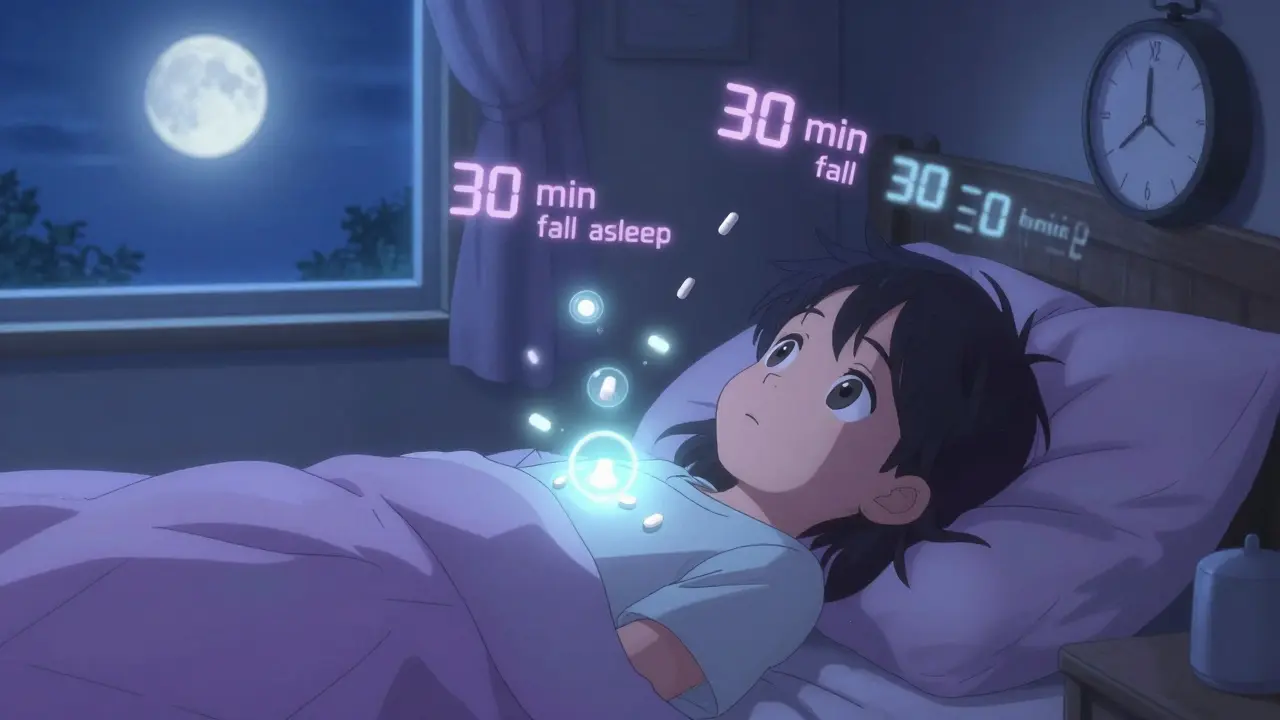
If you’ve ever taken an ADHD stimulant and found yourself wide awake at midnight, you’re not alone. Between 30% and 50% of patients report trouble falling asleep when they first start treatment. For kids, this often means bedtime battles. For adults, it’s scrolling through their phone until 2 a.m. while their brain refuses to shut down.
The reason? Stimulants don’t just wear off-they linger. Even extended-release formulas like Concerta or Mydayis can still be active 10 to 12 hours after taking them. If you take your dose at 8 a.m., you might still feel the buzz at 8 p.m.
Studies show stimulant users take 15 to 30 minutes longer to fall asleep than people on placebo. That doesn’t sound like much, but over weeks and months, it adds up to lost sleep, irritability, and worse focus the next day.
Here’s what actually helps:
- Take your medication earlier in the day-ideally before noon.
- Switch from extended-release to short-acting if you’re still feeling it in the evening.
- Try melatonin (0.5 to 5 mg) 1 to 2 hours before bed. It’s not addictive and helps reset your body clock.
- For kids, a consistent bedtime routine with no screens for an hour before sleep makes a huge difference.
And here’s a surprise: guanfacine and clonidine can actually improve sleep quality. That’s why some doctors prescribe them as add-ons-not just for ADHD, but to help with sleep.
What You Should Do: A Simple Monitoring Plan
You don’t need an ECG before every prescription. You don’t need to panic. But you do need to be proactive.
Here’s what the experts recommend:
- Baseline check: Before starting any ADHD medication, get your blood pressure and heart rate measured. Write it down.
- Follow-up every 3 to 6 months: Even if you feel fine. Small changes add up.
- Track sleep: Keep a simple log for a week-when you take your med, when you go to bed, how long it takes to fall asleep.
- Know your family history: If anyone in your family had sudden cardiac death before age 50, tell your doctor. Don’t assume it’s unrelated.
- Start low, go slow: Begin with the lowest dose possible. Increase in small steps. Watch how your body reacts.
For high-risk patients-those with known heart conditions, uncontrolled hypertension, or a history of arrhythmias-cardiology consultation is wise. But for most people? Just monitoring is enough.
Why This Matters More Than You Think
ADHD medication prescriptions in the U.S. jumped from 35 million in 2012 to over 72 million in 2022. That’s not just more diagnoses-it’s more people living with this condition, and more people relying on these drugs for years. The global market is now worth over $16 billion and growing fast.
With that growth comes responsibility. The FDA now requires all new ADHD drugs to include long-term cardiovascular safety data. The American Academy of Pediatrics no longer recommends routine ECGs for everyone-but they do insist on careful history-taking and ongoing monitoring.
And here’s the quiet truth: untreated ADHD carries its own risks. Poor academic performance, job loss, car accidents, substance abuse, depression-all of these are more common without treatment. The number needed to harm for serious heart events? Over 1,000 patients. The number needed to benefit for improved focus, relationships, and quality of life? Far lower.
Stimulants aren’t magic. But they’re not monsters either. They’re tools. And like any tool, they work best when you understand how to use them-and when to stop.
Frequently Asked Questions
Do ADHD stimulants cause heart attacks?
Heart attacks directly caused by ADHD stimulants are extremely rare. While some studies show a slight increase in risk during the first few weeks of treatment-especially with methylphenidate-the absolute risk remains very low. For every 1,000 people taking stimulants, fewer than 1 may experience a heart-related event tied to the medication. Most cases occur in people with pre-existing heart conditions or undiagnosed genetic risks.
Can I take ADHD meds if I have high blood pressure?
It depends. If your blood pressure is well-controlled with medication, stimulants can still be used-but you’ll need closer monitoring. If your blood pressure is uncontrolled or very high (above 140/90), your doctor may recommend starting with a non-stimulant like guanfacine or atomoxetine, which don’t raise blood pressure. Never start or stop ADHD meds without talking to your provider, especially if you’re on other heart medications.
Why do ADHD meds make me lose sleep?
ADHD stimulants increase alertness by boosting brain chemicals that keep you awake. Even extended-release versions can stay active for 10-12 hours. If you take your dose too late, your brain may still be stimulated when you’re trying to sleep. Solutions include taking the medication earlier in the day, switching to a shorter-acting form, or adding melatonin. Some people also benefit from combining stimulants with guanfacine, which can help calm the nervous system at night.
Are non-stimulant ADHD meds safer for the heart?
Not necessarily. Research shows that non-stimulants like atomoxetine and viloxazine can raise blood pressure and heart rate just as much as stimulants. The difference isn’t in the class-it’s in the individual. Guanfacine is the exception: it actually lowers heart rate and blood pressure. So if heart health is your main concern, guanfacine may be a better first choice than other non-stimulants.
Should my child get an ECG before starting ADHD medication?
Routine ECGs aren’t recommended for all children by major medical groups like the American Academy of Pediatrics. But if your child has a family history of sudden cardiac death, fainting spells, heart murmurs, or known heart rhythm issues, an ECG and cardiology evaluation are wise. For most kids without these red flags, a simple check of blood pressure and heart rate before and during treatment is enough.
Next Steps
If you’re currently on ADHD medication and haven’t had your blood pressure checked in over six months, schedule an appointment. If you’re struggling with sleep, try moving your dose earlier or adding melatonin for a week. Keep a log. Talk to your doctor-not to stop the medication, but to make sure it’s still the right fit.
ADHD isn’t a flaw. Medication isn’t a crutch. It’s a tool. And like any tool, it works best when you know how it works-and when to use it wisely.
Write a comment
Items marked with * are required.




11 Comments
pradnya paramita February 4, 2026 AT 10:16
Stimulant-induced HR/BP elevations are typically subclinical in healthy individuals, but longitudinal exposure warrants vigilant monitoring. The 17% relative increase in CVD risk, while statistically significant, translates to an absolute risk of ~1.2/1000 patient-years-far below the NNT for functional improvement (~15). ECGs aren't routinely indicated absent red flags like syncope or family history of SCD. Guanfacine's alpha-2 agonism provides a favorable hemodynamic profile for high-risk phenotypes.
Coy Huffman February 5, 2026 AT 14:27
i mean... i get the stats but like... my heart feels like it's gonna pop outta my chest at 3pm every day 😅 maybe i just need to take it earlier? or maybe i'm just a nervous wreck and it's not the med?
Harriot Rockey February 7, 2026 AT 05:34
Thank you for this balanced take 💙 I’ve seen so many parents panic over ‘heart risks’ and stop meds cold-only to watch their kid spiral into anxiety and school failure. The real danger isn’t the stimulant-it’s the untreated ADHD. Melatonin + earlier dosing fixed my son’s sleep in 3 days. No ECG needed, just consistency and care. You’re not a bad parent for considering meds-you’re a good one for researching them.
Caleb Sutton February 9, 2026 AT 00:35
They’re hiding the truth. Big Pharma knows stimulants cause arrhythmias. The FDA warning was buried. 25 deaths? That’s 25 too many. They want you dependent. They don’t care if you drop dead at 35. Wake up.
Jamillah Rodriguez February 10, 2026 AT 11:55
I took Adderall for 8 years. My BP went from 110/70 to 145/92. My doctor said ‘it’s fine’. I didn’t believe him. Quit cold turkey. Now I’m on guanfacine and I sleep like a baby. Also, my anxiety dropped 80%. So... yeah. Maybe the ‘small risk’ isn’t worth it for everyone.
Susheel Sharma February 11, 2026 AT 01:37
It is axiomatic that the pharmacodynamic profile of amphetaminic derivatives exerts a catecholaminergic surge upon the sympathetic nervous system, thereby inducing tachycardia and vasoconstriction. The epidemiological data, while statistically significant, remains numerically inconsequential in the general population. However, the confluence of genetic predisposition, concomitant caffeine ingestion, and circadian misalignment may precipitate adverse outcomes. One must not conflate relative risk with population-level harm.
Janice Williams February 11, 2026 AT 15:35
This is exactly the kind of dangerous normalization I’ve come to expect. You’re telling people it’s ‘small’ risk? Small risks kill people. My cousin died of sudden cardiac arrest at 24. He was on Vyvanse. You think ‘1 in 1000’ is acceptable? It’s not. It’s negligence dressed as science.
Roshan Gudhe February 13, 2026 AT 01:13
There’s a deeper truth here: we treat ADHD like a defect to be fixed, not a neurotype to be understood. The real question isn’t ‘is this drug safe?’-it’s ‘why are we medicating so many people so young?’ Sleep disruption isn’t just a side effect-it’s a symptom of a system that demands hyperproductivity over human rhythm. Guanfacine helps, yes. But what if the solution isn’t another pill, but less pressure?
Rachel Kipps February 13, 2026 AT 15:31
i think this is really helpful but i think you meant 'mydayis' not 'mydais' in the sleep section? just a typo but it threw me off a little 😅
Wendy Lamb February 14, 2026 AT 14:25
I switched from Adderall to Concerta and my sleep improved instantly. No melatonin needed. Just a different release profile. Also, my anxiety dropped. Not all stimulants are the same.
Antwonette Robinson February 15, 2026 AT 03:05
Oh wow, a 17% increase in risk? That’s basically saying ‘this drug is fine’ in medical speak. What’s next? ‘It’s only a 1 in 10 chance you’ll turn into a lizard.’