Health August 7, 2026
How to Prevent Overdose in People with Substance Use Disorders: A Practical Guide
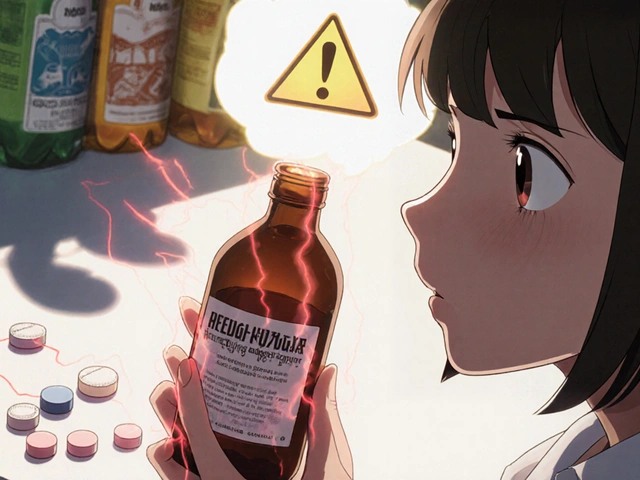
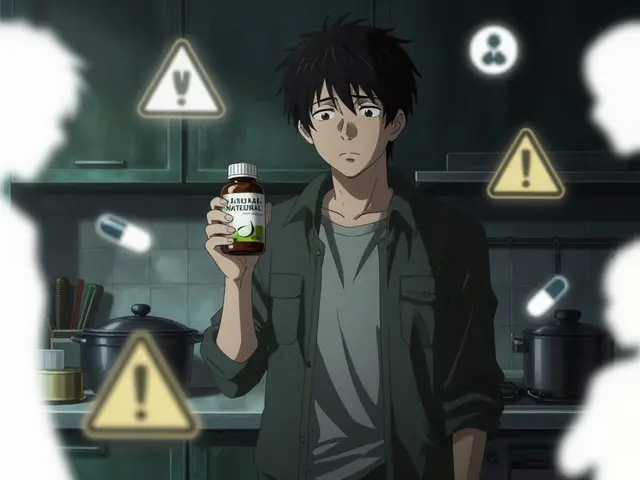
Imagine handing a friend a pill you bought online. You trust it’s what they said it was. But inside that capsule is not just the drug they wanted-it’s fentanyl, a synthetic opioid up to 100 times stronger than morphine. This isn’t a hypothetical horror story; it’s the daily reality for millions of people navigating substance use disorders (SUDs). With over 750,000 overdose deaths in the U.S. since 1999, preventing these tragedies requires more than good intentions. It demands specific, actionable tools and strategies.
If you are caring for someone with SUD, or if you are managing your own recovery, knowing how to prevent an overdose can mean the difference between life and death. The crisis has shifted. It is no longer just about prescription painkillers. Illicitly manufactured drugs, particularly those laced with potent synthetics, have changed the landscape entirely. Prevention now relies on a mix of medical intervention, community resources, and personal safety planning.
Understanding the Modern Drug Supply
To prevent an overdose, you first need to understand what you are up against. The drug supply today is unpredictable. According to data from the Drug Enforcement Administration (DEA), a significant portion of counterfeit pills seized in recent years contained lethal doses of fentanyl. Furthermore, polysubstance use-mixing opioids with stimulants like cocaine or methamphetamine-is now involved in nearly 80% of overdose deaths. This complexity makes traditional advice less effective.
Another emerging threat is xylazine, a non-opioid sedative often mixed with fentanyl, sometimes called "tranq." Unlike opioids, xylazine does not respond to standard reversal medications. It causes severe skin ulcers and respiratory depression that standard protocols might miss. Recognizing that the drug supply contains multiple dangerous substances is the first step in building a robust prevention strategy.
The Power of Naloxone Distribution
Naloxone, an FDA-approved medication that rapidly reverses opioid overdoses by blocking opioid receptors is the most critical tool in any prevention kit. Often known by brand names like Narcan or Kloxxado, this medication works quickly to restore breathing in someone experiencing an opioid overdose. The Centers for Disease Control and Prevention (CDC) note that communities with widespread naloxone distribution see significantly fewer overdose deaths.
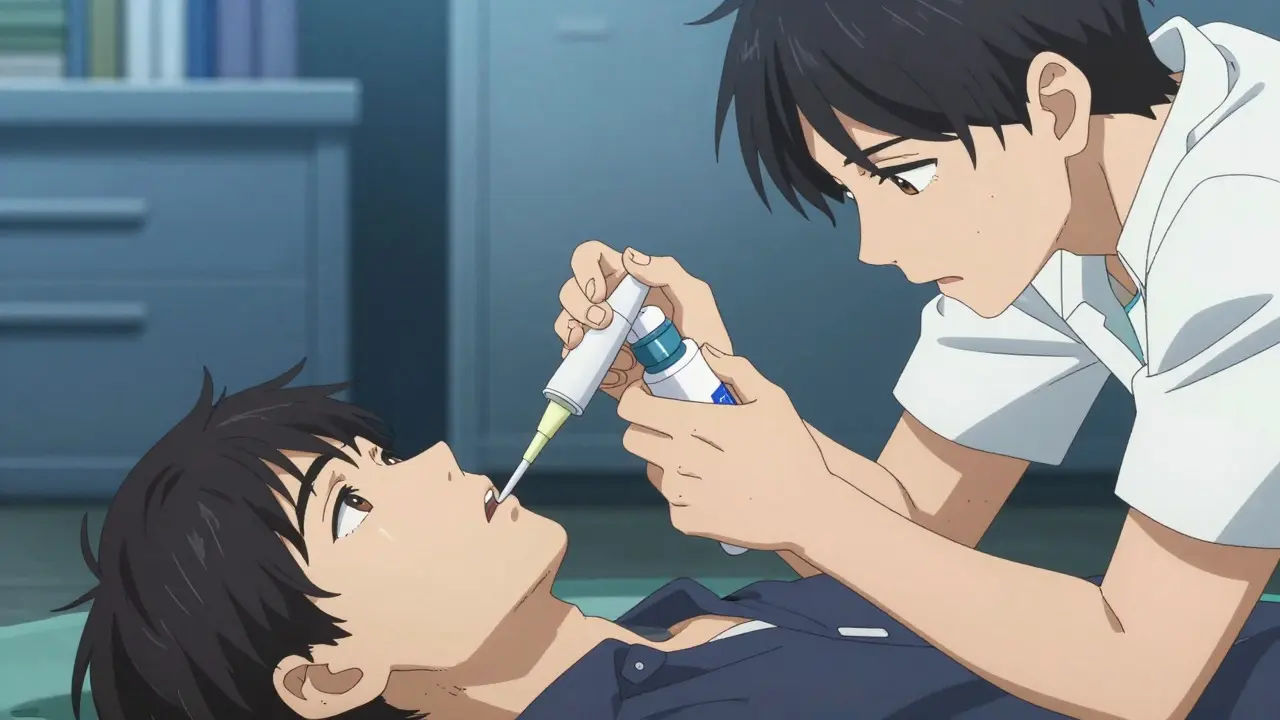
You do not need to be a healthcare professional to use it. Intranasal naloxone is designed for layperson use. Training typically takes about 20 minutes, and studies show high retention rates even six months later. Here is how to prepare:
- Get Access: In many states, you can buy naloxone over-the-counter at pharmacies without a prescription. Some local health departments also offer free kits.
- Know the Signs: An overdose involves pinpoint pupils, slow or stopped breathing, unresponsiveness, and pale or blue-tinged skin.
- Administer Correctly: Insert the nozzle into one nostril and press firmly. If there is no response after two to three minutes, administer a second dose.
- Call Emergency Services: Naloxone wears off faster than many opioids. Even if the person wakes up, they need medical evaluation to prevent re-sedation.
Keep in mind that naloxone only reverses opioids. It will not work on benzodiazepines, alcohol, or xylazine alone. However, because opioids are often mixed with other drugs, administering naloxone is always the right first step if an opioid is suspected.
Testing for Fentanyl and Other Contaminants
Blindness to what is in a drug supply is a major risk factor. Fentanyl test strips, small paper strips used to detect the presence of fentanyl in various substances offer a way to check drugs before use. These strips can detect fentanyl in powders, pills, and injectables at very low concentrations. While they do not eliminate risk, they provide valuable information that allows users to adjust their dosage or seek help.
Using test strips is straightforward but requires attention to detail:
- Dissolve a small sample of the substance in water.
- Dip the strip into the solution for a few seconds.
- Lay it flat and wait for the recommended time (usually 3-5 minutes).
- Check for lines. One line means fentanyl is present; two lines mean it is not detected.
It is important to remember that a negative result does not guarantee safety. The drug could contain other potent substances, or the fentanyl may be unevenly distributed in the batch. Test strips are a harm reduction tool, not a safety guarantee.
Medication-Assisted Treatment (MAT)
Prevention goes beyond emergency response. Long-term stability is best achieved through Medication-Assisted Treatment (MAT), the use of medications combined with counseling to treat substance use disorders. For opioid use disorder, MAT reduces the risk of overdose by up to 50%. The Food and Drug Administration (FDA) approves three main medications for this purpose:
| Medication | Type | Key Benefit | Administration |
|---|---|---|---|
| Methadone | Opioid Agonist | Highly effective for long-term maintenance; blocks cravings. | Daily clinic visits required initially. |
| Buprenorphine | Partial Opioid Agonist | Lower overdose risk compared to full agonists; can be prescribed in office settings. | Sublingual film/tablet or monthly injection. |
| Naltrexone | Opioid Antagonist | Blocks effects of opioids completely; non-addictive. | Daily pill or monthly injection. |
Access remains a barrier. Many rural areas lack providers who can prescribe buprenorphine or operate methadone clinics. Advocating for telehealth options and expanding provider networks is crucial for closing these gaps. If you or a loved one is struggling, asking a doctor about MAT is a vital step toward reducing overdose risk.

Safety Planning and Community Resources
Isolation increases risk. Developing a personalized safety plan can mitigate dangers when using substances. A good plan includes identifying triggers, having naloxone accessible, and establishing a support network. The "Never Use Alone" hotline is a resource where trained operators stay on the phone with individuals while they use, calling emergency services if the person becomes unresponsive.
Community education programs also play a role. States like New York mandate overdose prevention education for all individuals interacting with the health system, regardless of diagnosis. These programs teach bystanders how to recognize distress and act quickly. Engaging with local harm reduction organizations can provide access to clean supplies, testing services, and peer support.
Overcoming Stigma and Barriers
Stigma prevents people from seeking help. Nearly half of individuals with SUDs report avoiding treatment due to fear of judgment. Shifting the narrative from moral failure to chronic health condition is essential. When we view SUD as a medical issue, we prioritize evidence-based interventions like MAT and naloxone rather than punitive measures.
Policies also matter. Standing orders that allow pharmacists to dispense naloxone without individual prescriptions have expanded access significantly. Supporting legislation that removes barriers to care helps save lives. On a personal level, approaching conversations with empathy rather than judgment encourages openness and connection to resources.
What should I do if naloxone doesn't work?
If naloxone does not reverse symptoms within two to three minutes, administer a second dose if available. Continue rescue breathing if trained. Call emergency services immediately. Remember that naloxone only reverses opioids; if the overdose involves benzodiazepines, alcohol, or xylazine, additional medical intervention is required.
Are fentanyl test strips accurate?
Fentanyl test strips are highly sensitive and can detect fentanyl at low concentrations. However, they are not perfect. False negatives can occur if the drug is not properly dissolved or if fentanyl is unevenly distributed in the sample. They should be used as part of a broader harm reduction strategy, not as a sole safety measure.
Can I get medication-assisted treatment without going to rehab?
Yes. Medication-assisted treatment (MAT) can be accessed through primary care physicians, specialized addiction clinics, and increasingly via telehealth. Buprenorphine, for example, can be prescribed in many outpatient settings. You do not need to enter residential rehabilitation to receive these life-saving medications.
What is xylazine, and why is it dangerous?
Xylazine is a veterinary sedative increasingly mixed with fentanyl. It is not an opioid, so naloxone does not reverse its effects. Xylazine causes severe respiratory depression and can lead to necrotic skin wounds. Its presence complicates overdose response and requires prolonged medical monitoring.
How can I find naloxone in my area?
In many regions, you can purchase Narcan or generic naloxone over-the-counter at pharmacies. Local health departments, harm reduction coalitions, and some nonprofits offer free naloxone kits along with training. Search for "naloxone distribution near me" or contact your state's substance abuse helpline for specific locations.