Health January 27, 2026
Medications Never to Put in Household Trash: A Safety List
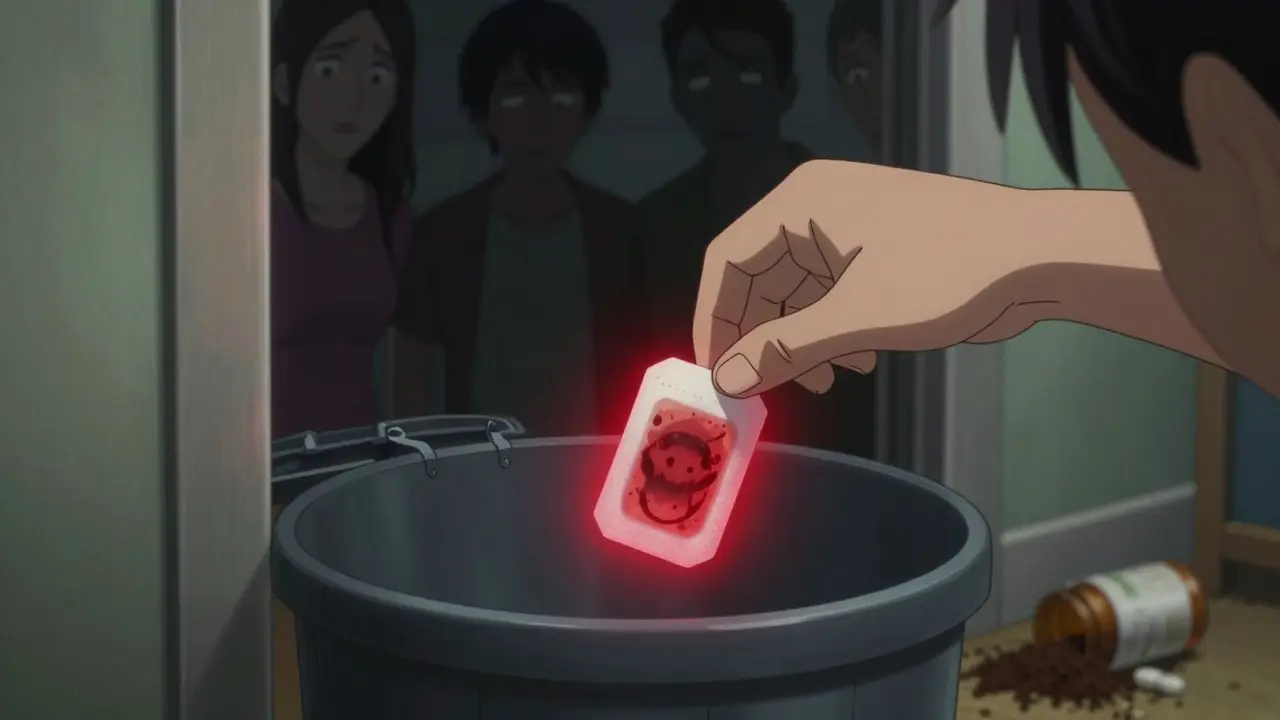
Putting old pills in the trash might seem harmless-until it isn’t. Every year, children, teens, and even adults find unused medications in household bins and accidentally-or intentionally-take them. Some of these drugs can kill in a single dose. That’s why the medication disposal rules aren’t suggestions. They’re life-saving instructions.
Why Some Medications Can’t Go in the Trash
Not all expired or unwanted drugs are the same. Most can be safely thrown away after mixing them with coffee grounds or kitty litter. But a small group of medications is too dangerous to risk. These are the ones that can cause death from one pill or patch. The U.S. Food and Drug Administration (FDA) keeps a list-called the Flush List-of exactly which drugs must be flushed down the toilet immediately. No waiting. No mixing. No guessing.Why flush? Because trash is easy to access. A child rummaging through a bin, a teenager looking for a high, or an adult struggling with addiction can find these drugs and use them. In 2022, the American Association of Poison Control Centers reported over 8,900 cases of accidental fentanyl exposure, nearly half involving children under five. That’s not a statistic. That’s a parent’s worst nightmare.
The FDA’s Flush List: What You Must Never Trash
The FDA’s current Flush List includes 11 categories of drugs, all with one thing in common: extreme potency and high potential for misuse. Here’s what you need to know:- Buprenorphine (brands: Suboxone, Zubsolv, Butrans) - Used for opioid addiction, but can still cause fatal respiratory depression.
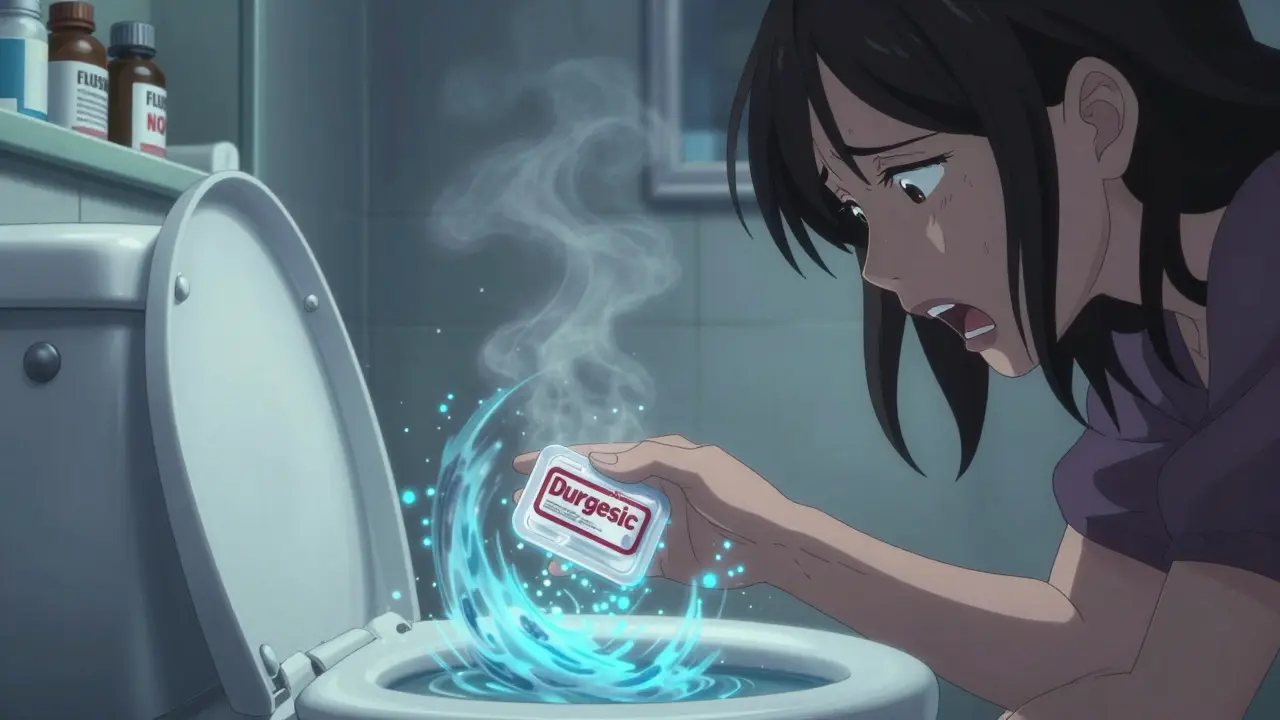
- Fentanyl (brands: Duragesic, Actiq, Fentora) - 50 to 100 times stronger than morphine. A single patch can kill an adult who’s never used opioids.
- Hydromorphone (Exalgo) - A powerful painkiller often prescribed after surgery.
- Meperidine (Demerol) - Older painkiller, still found in some homes.
- Methadone (Dolophine, Methadose) - Used for pain and addiction treatment, but has a long half-life that increases overdose risk.
- Morphine (brands: MS Contin, Kadian, Avinza) - Still widely prescribed for chronic pain.
- Oxymorphone (Opana, Opana ER) - Linked to multiple fatal overdoses from trash exposure.
- Tapentadol (Nucynta) - A newer opioid with high abuse potential.
- Sodium oxybate (Xyrem, Xywav) - Used for narcolepsy, but extremely dangerous if misused.
- Diazepam rectal gel (Diastat, Diastat Acudial) - Used for seizures; can cause fatal sedation if taken by someone not prescribed it.
- Methylphenidate transdermal system (Daytrana) - A patch for ADHD that can be misused for stimulant effects.
If you have any of these in your medicine cabinet, don’t wait. Flush them now. The FDA is clear: if it’s on this list, the toilet is the only safe option.
What About the Environment? Isn’t Flushing Bad?
You’ve probably heard that flushing meds pollutes water. That’s true-for most drugs. Wastewater plants can’t fully remove pharmaceuticals. Studies show compounds like carbamazepine and diclofenac persist in rivers and even drinking water. But here’s the key: the FDA made this decision because the risk of death outweighs environmental harm.Dr. John Scott from the EPA testified in 2022 that the environmental impact of flushing one fentanyl patch is negligible compared to the risk of multiple deaths if that patch ends up in a child’s hands. The EPA and FDA jointly stated in 2022 that for these specific drugs, “the risk of harm from accidental exposure or intentional misuse far outweighs potential environmental effects.”
It’s not a perfect solution. But it’s the only one that works fast enough to save lives.
What to Do With Everything Else
If your medication isn’t on the flush list, don’t flush it. Don’t toss it in the trash unprepared. Follow these steps:- Remove pills or liquids from their original bottles.
- Don’t crush tablets or capsules-this can make them dangerous to handle.
- Mix them with something unappealing: used coffee grounds, dirt, or cat litter.
- Put the mixture in a sealed plastic bag or container.
- Throw it in your household trash.
This makes the drugs unattractive and hard to recover. It also prevents someone from rinsing pills out of coffee grounds or pulling them from a cat litter bag.
Where to Take Unused Medications (Safely)
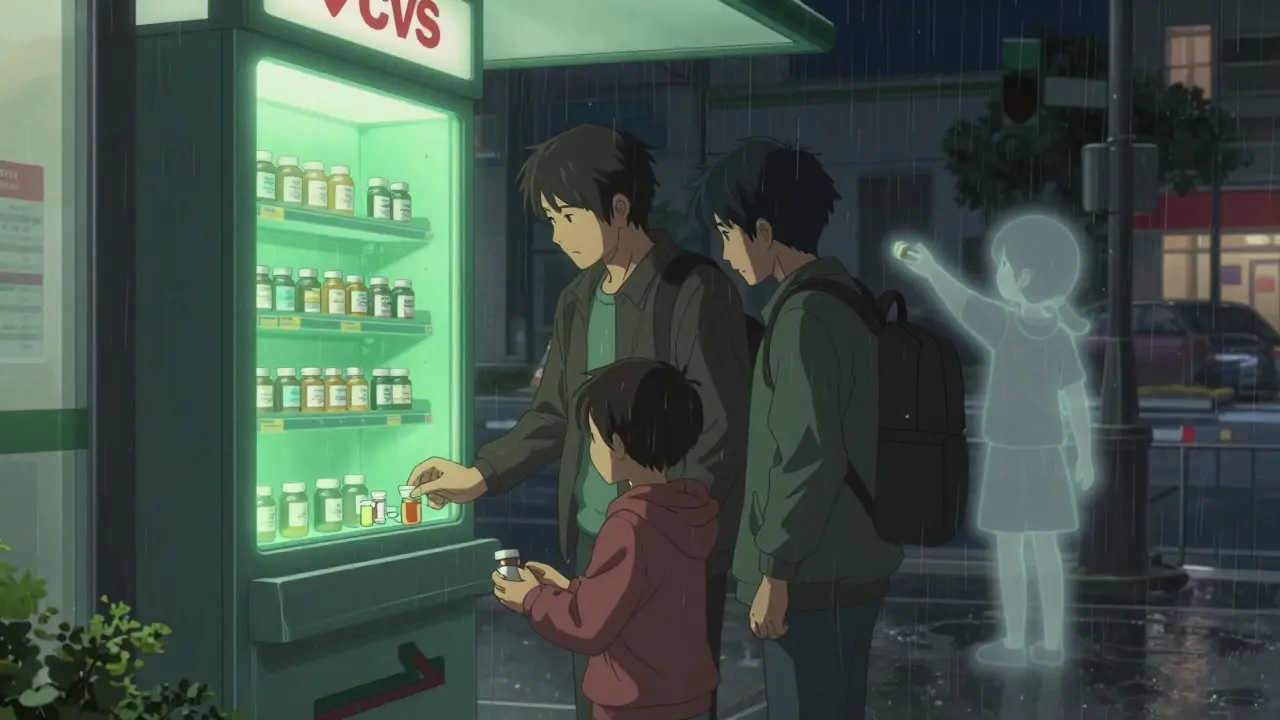
The best option? Take them to a drug take-back program. These are free, secure, and environmentally safe.In the U.S., Walgreens and CVS each have over 1,800 disposal kiosks in pharmacies. Law enforcement agencies in many states also run collection boxes. Minnesota alone has more than 300 locations. Some counties, like Alameda in California, accept non-controlled drugs at household hazardous waste sites.
But here’s the catch: only about 15% of people use these services. Why? Many don’t know they exist. Others think it’s too much trouble. But if you’re worried about the environment, this is the cleanest option.
What Happens When People Ignore the Rules
In 2021, a teenager in Montgomery County, Ohio, found a bottle of Opana ER in a neighbor’s trash. He took one pill. He didn’t survive.That case led to new local laws requiring special disposal instructions for Schedule II opioids. Similar tragedies happen every year. On Reddit’s r/pharmacy, a nurse posted in February 2023 about a 3-year-old who opened a trash bag and found fentanyl patches. The child was rushed to the hospital. He survived-but barely.
These aren’t rare. They’re preventable.
How to Know What to Do
Most people don’t know which drugs go where. A 2022 study found only 43% of patients could correctly identify if their medication should be flushed or thrown away.Here’s how to check:
- Look at the label. Does it say “Do not flush”? Then follow the trash method.
- Search the FDA’s Flush List online. Type “FDA flush list medications” into your browser.
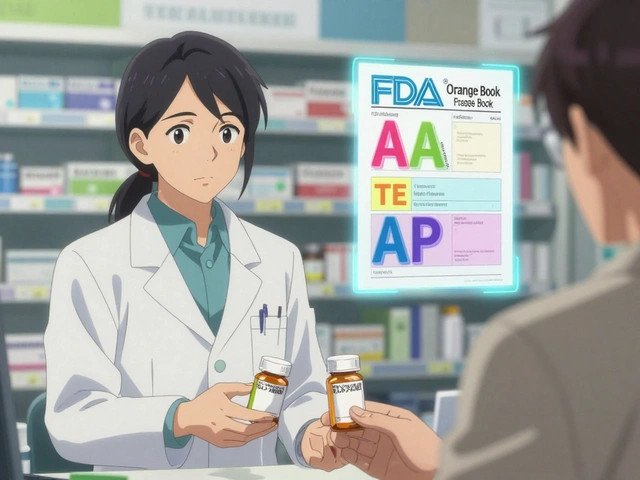
- Ask your pharmacist. They’re required to give disposal instructions when you pick up a prescription.
- Check the patient information leaflet inside the box. It often has disposal steps.
If you’re unsure, flush it only if it’s on the list. Otherwise, mix and trash.
New Solutions on the Horizon
Companies are developing better tools. DisposeRx makes a $1.50 powder packet you add to water-within minutes, the pills turn into a gel that can’t be retrieved. Over 1,200 pharmacies now offer it.Some drug manufacturers are testing “dispose-ready” packaging with activated charcoal that neutralizes pills if they’re thrown away. A University of Florida pilot found this reduced improper disposal by 63%.
But until these become standard, you still need to act now.
Final Checklist: What to Do Today
Go to your medicine cabinet. Right now.- Find any pills or patches from the FDA’s Flush List. Flush them immediately.
- For everything else: remove from bottles, mix with coffee grounds or dirt, seal in a bag, trash it.
- Find your nearest drug take-back location. Use the DEA’s website or call your local pharmacy.
- Keep your medications locked up-even if they’re not on the flush list.
- Teach family members what to do. One conversation could save a life.
Medication safety isn’t about being perfect. It’s about being careful. One wrong step can cost a life. Don’t wait for a tragedy to remind you.
Can I flush all expired medications down the toilet?
No. Only medications on the FDA’s Flush List should be flushed. For all others, mix them with coffee grounds or cat litter, seal them in a plastic bag, and throw them in the trash. Flushing non-listed drugs can pollute water supplies.
What if I don’t have a toilet? Can I just throw flush-list meds in the trash?
If you’re in a home without a toilet (like a mobile home or RV), contact your local pharmacy or health department. They can help you safely dispose of these medications. Never put flush-list drugs in the trash-even without a toilet. The risk of accidental exposure is too high.
Is it safe to crush pills before throwing them away?
No. The FDA specifically says not to crush tablets or capsules when preparing them for trash disposal. Crushing can release dangerous fumes or make the drug easier to extract. Always mix whole pills with an unappealing substance like dirt or coffee grounds.
Do I need to remove the label from the medicine bottle?
Yes. Always remove or black out your name and prescription details before recycling or discarding the bottle. This protects your privacy and prevents someone from using your name to falsely claim the medication was prescribed to them.
What should I do with needles or syringes?
Never put needles in the trash or flush them. Place used sharps in a hard plastic container (like a laundry detergent bottle), seal it tightly, label it “SHARPS,” and take it to a pharmacy or medical waste facility that accepts them. Many pharmacies offer free sharps disposal programs.
Write a comment
Items marked with * are required.



15 Comments
Mindee Coulter January 29, 2026 AT 03:32
Just flushed my dad’s old fentanyl patches today. Been sitting in his cabinet for 3 years after he passed. Better safe than sorry.
Mel MJPS January 29, 2026 AT 09:17
I love that this post doesn’t just scare people-it gives clear steps. Mix with coffee grounds? Genius. I’ve been doing that since my grandma almost gave my nephew a bad day.
Anna Lou Chen January 30, 2026 AT 11:32
Let’s be real-the FDA’s Flush List is a neoliberal biopower apparatus that pathologizes pharmaceutical waste while ignoring systemic failures in mental healthcare infrastructure. Flushing is symbolic compliance. We need decriminalization, not disposal rituals. The real tragedy isn’t the patch in the toilet-it’s the lack of harm reduction funding. 🤷♀️
Katie Mccreary January 31, 2026 AT 15:48
Wait, so you’re telling me my neighbor’s 7-year-old didn’t OD on Opana because he’s a good kid? Or because the trash was locked? You’re assuming everyone’s a responsible adult. What about the ones who don’t care?
doug b February 1, 2026 AT 01:58
Just did this last week. Took me 10 minutes. No drama. Just flush the scary ones, mix the rest, and lock up the rest. Do it. Your kid, your niece, your cousin-could be next.
SRI GUNTORO February 2, 2026 AT 18:41
People used to bury their dead in backyards. Now we flush pills. What’s next? Burying our grief in the sewer? This isn’t safety-it’s surrender to capitalism’s poison.
John Rose February 4, 2026 AT 11:28
Great breakdown. I shared this with my mom. She didn’t know she was supposed to remove the labels. Now she’s cleaning out her cabinet with me. Small wins.
Lexi Karuzis February 4, 2026 AT 22:48
Wait… who exactly decided this? The FDA? Or Big Pharma? Who profits from people flushing pills? Who benefits from making us feel guilty? I’ve seen this before-lock up your meds, then sell you the disposal kits. This is a trap.
Brittany Fiddes February 5, 2026 AT 20:48
Oh please. In the UK, we just take them to the chemist. No flushing. No drama. No American overreaction. You people treat a fentanyl patch like it’s a live grenade. It’s just a patch. And you’re all panicking like it’s the end of the world. 🇬🇧
Colin Pierce February 6, 2026 AT 10:32
For anyone wondering where to drop off meds: go to any CVS or Walgreens. They’ve got those green bins near the front. No questions asked. Free. I’ve dropped off my grandma’s meds there twice. Easy.
Mark Alan February 8, 2026 AT 00:37
Just flushed my ex’s leftover oxymorphone. 🤢 I’m not proud. But I’m not letting some junkie find it in the trash. 💪
Amber Daugs February 8, 2026 AT 13:42
Wow. You people are so naive. You think flushing is the answer? What about the water? The fish? The future? You’re just part of the problem. I hope your kids get sick from the chemicals you’re dumping. 🙄
Ambrose Curtis February 9, 2026 AT 06:06
did the mix thing with coffee grounds but i forgot to seal it. now my cat is sniffing the trash like it’s a buffet. 🐱 i’m gonna redo it. thanks for the reminder.
Linda O'neil February 10, 2026 AT 03:33
You’re not alone. I’ve been telling my whole family this for months. My brother still laughs. But today? He flushed his dad’s methadone. I cried. Not because it’s sad-because it finally happened.
Robert Cardoso February 11, 2026 AT 14:57
Statistically, the environmental impact of flushing these drugs is negligible compared to the risk of death. The EPA and FDA have peer-reviewed data supporting this. Your emotional reaction to flushing doesn’t override empirical risk assessment. Also, you’re overestimating the toxicity of trace pharmaceuticals in water. It’s not a cocktail. It’s parts per trillion.