Health April 6, 2026
Overcoming Language Barriers for Medication Safety: A Patient's Guide
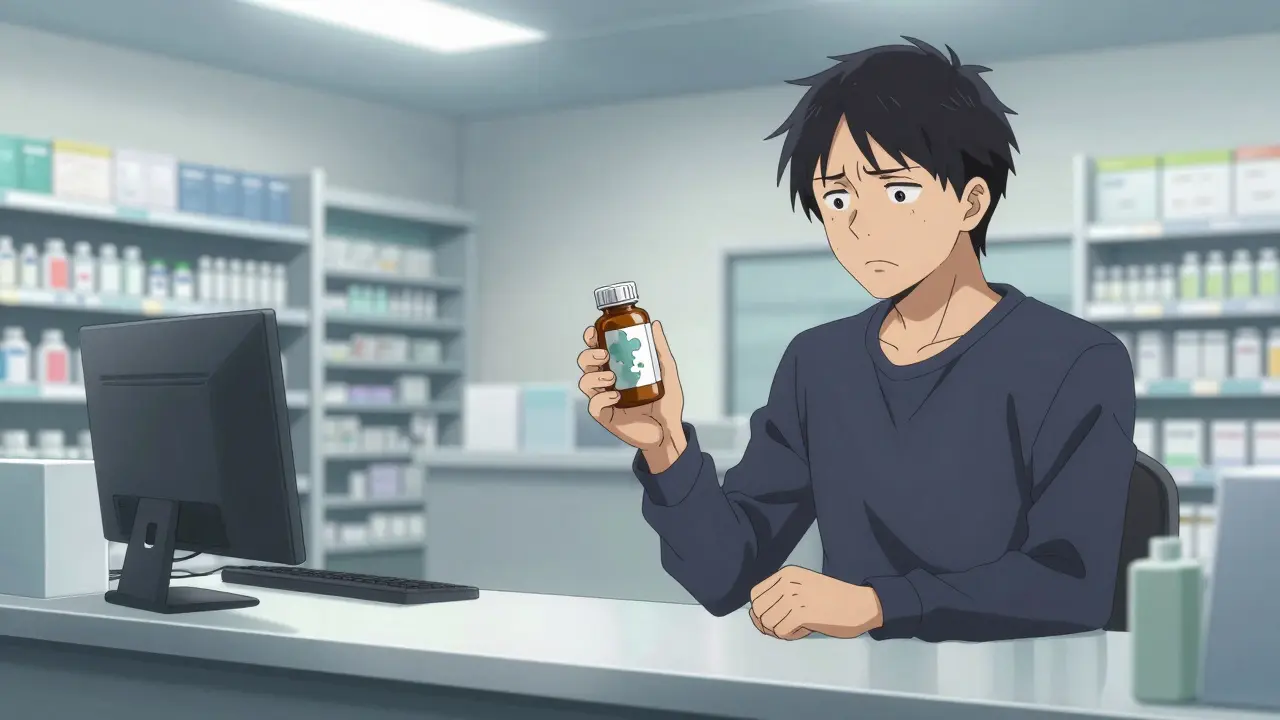
Imagine standing at a pharmacy counter, holding a bottle of pills, but the instructions on the label look like a puzzle you can't solve. You know the medicine is important, but you aren't sure if you should take it once a day or once every few hours. This isn't just a minor inconvenience; it's a dangerous situation. When you can't communicate clearly with your doctor or pharmacist, the risk of a medical mistake skyrockets. For people with medication safety concerns due to language gaps, the stakes are literally life and death.
Quick Tips for Staying Safe
- Always ask for a professional medical interpreter, even if a family member offers to help.
- Use the "Teach-Back" method: explain the instructions back to the provider in your own words.
- Request written instructions in your primary language before leaving the clinic.
- Ask for a "Directly Observed Dosing" session if the medication is high-risk.
Why Language Gaps Lead to Medical Errors
When a patient has Limited English Proficiency (or LEP), the communication loop between the provider and the patient often breaks. According to a 2023 KFF survey, about half of adults with LEP face at least one language barrier in healthcare over a three-year span. This isn't just about missing a word here or there; it's about missing critical dosing instructions.
The danger is most visible in pediatric care. A 2022 study from the Children's Hospital of Philadelphia found that children in LEP families experience adverse drug events at nearly double the rate of English-proficient families-17.7% compared to 9.6%. Why? Because a parent might misinterpret a "teaspoon" for a "tablespoon" or miss a warning about taking medicine with food. These aren't just statistics; they are preventable hospitalizations.
The Danger of "Ad Hoc" Interpretation
It's tempting to let your son, daughter, or a bilingual friend translate during a doctor's visit. It feels faster and more comfortable. However, this is one of the biggest risks to your safety. Ad hoc interpretation is the use of untrained individuals, such as family members, to translate medical information . Research shows that up to 25% of information translated by family members is incorrect because they lack the specific medical vocabulary needed to be precise.
Think about a word like "dropperful." A family member might translate it as "a small amount," but a professional knows exactly what that volume means. When a pharmacy relies on a tool like Google Translate or a family member, they aren't just translating words; they are guessing. In some cases, this has led to incorrect insulin dosing and emergency room visits.
How to Get the Right Help
You have a legal right to understand your healthcare. In the US, Title VI of the Civil Rights Act is a federal law that prohibits discrimination and mandates language assistance for patients in healthcare organizations receiving federal funds . If a hospital or clinic receives federal money, they must provide a way for you to communicate.
Here are the professional tools you should ask for:
| Service Type | What it is | Best Used For... |
|---|---|---|
| In-Person Interpreter | A trained professional physically present in the room. | Complex diagnoses, emotional news, or physical exams. |
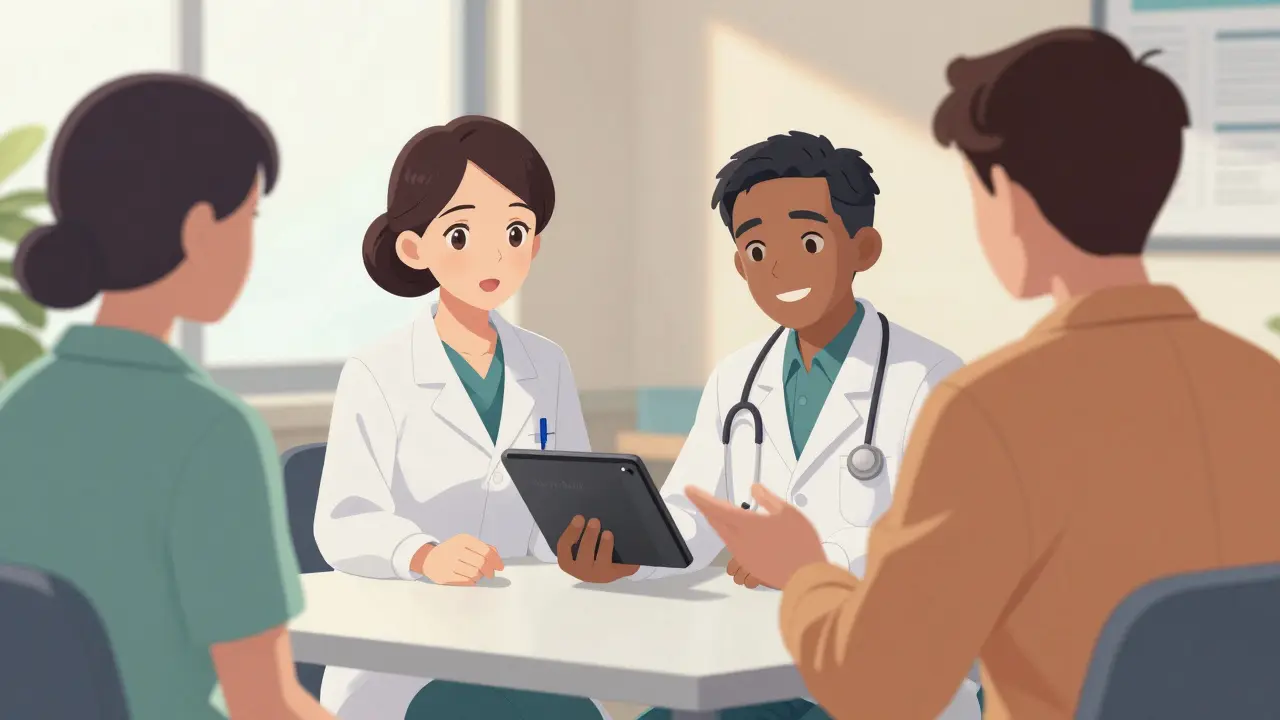
| Video Remote Interpretation (VRI) | A certified interpreter via a tablet or screen. | Quick consultations or when a specific language isn't available locally. |
| Telephonic Interpretation | Professional translation over a phone line. | Simple pharmacy pickups or scheduling appointments. |
| Bilingual Staff | Employees fluent in two languages. | General navigation and basic check-in. |
Proven Strategies for Medication Safety
Getting an interpreter in the room is the first step, but confirming you actually *understand* the plan is the second. Use these three proven methods to ensure you don't leave the clinic with doubts.
The Teach-Back Method
Don't just nod and say "yes" when a doctor asks if you understand. Instead, the provider should ask you to explain the instructions back to them. For example: "I want to make sure I explained this clearly. Can you tell me how and when you will take this pill?" If you get a detail wrong, the interpreter can correct it immediately. This simple loop prevents a massive number of errors.
Directly Observed Dosing
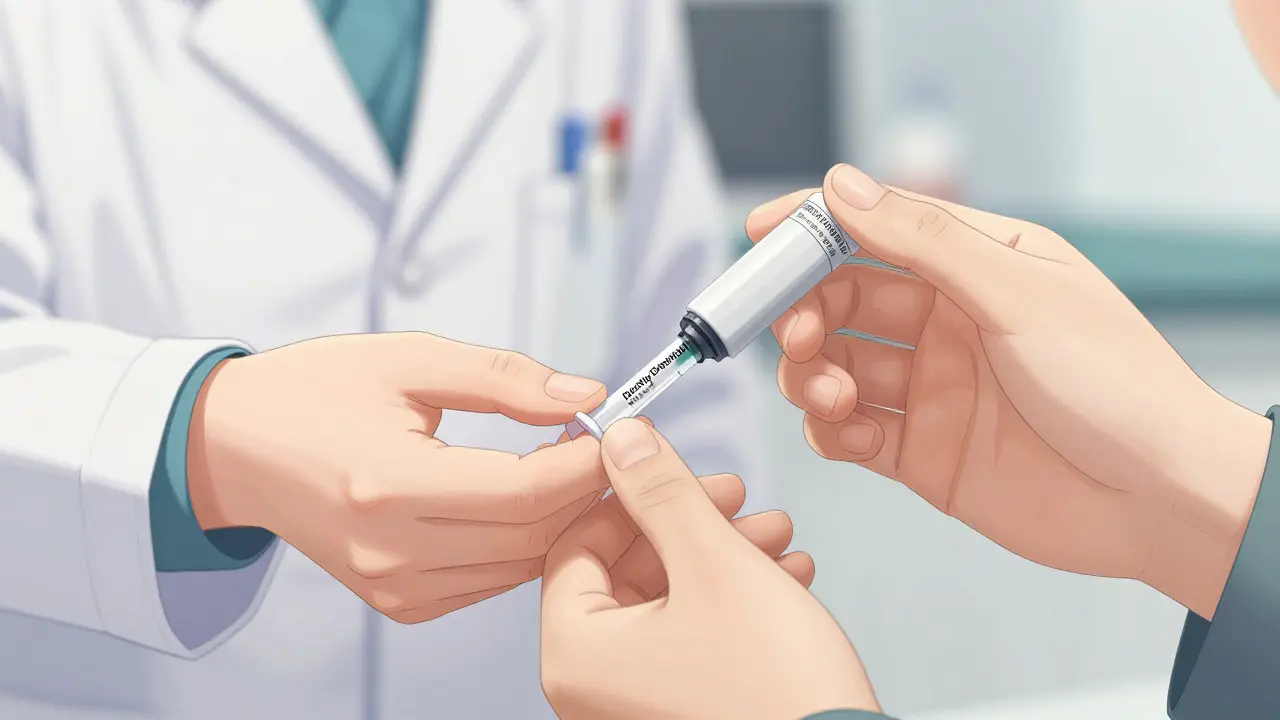
For high-risk medications-like blood thinners or insulin-ask for Directly Observed Dosing, which is a process where a patient demonstrates the actual administration of the medication under the supervision of a clinician . Instead of saying "I know how to use the inhaler," you actually show the pharmacist. This removes all guesswork from the equation.
Multilingual Labeling
Ask your pharmacist if they can print labels in your native language. While some pharmacies struggle with this, many are upgrading their systems. If they can't, ask for a printed information packet in your language. Avoid relying on a phone app to translate a prescription label on the fly, as technical terms are often mistranslated.
Dealing with Resistance from Providers
Sometimes, medical staff seem rushed. They might try to push you toward using a family member because it's "faster." You need to know that slowing down the appointment is the only way to keep you safe. Research indicates that professional interpretation can cut medical error rates by up to 50%.
If a provider resists, you can politely remind them that clear communication is a safety requirement. You can say, "I want to make sure I get this dose exactly right so I don't end up back in the hospital. I need a professional interpreter for this part of the visit." Most providers will respect a request framed around patient safety.
Is it free to request an interpreter at a hospital?
Yes. Under Title VI of the Civil Rights Act, healthcare providers receiving federal funds must provide language assistance services free of charge to the patient.
What should I do if my pharmacy can't provide labels in my language?
Ask the pharmacist for a printed medication guide in your language. If that's not available, use a professional interpreter to record the instructions or write them down in your native language while the interpreter confirms the meaning.
Why can't I just use a translation app like Google Translate?
Translation apps are great for casual conversation, but they often fail with medical terminology. They can misinterpret dosages or critical warnings, which can lead to severe health risks or hospitalization.
What is the best way to ensure my children's medication is safe?
Since children with LEP families have higher rates of adverse drug events, always use a professional interpreter for pediatric dosing. Use the "Teach-Back" method and visually confirm the dose with the pharmacist using a measuring tool (like a syringe or cup) during the visit.
How do I find a doctor who speaks my language?
You can ask your insurance provider for a list of language-concordant providers or check online patient portals that list the languages spoken by the medical staff. Many health systems now have a language preference field in their registration forms.
Next Steps for Patients and Families
If you are preparing for a medical visit, start by identifying your needs early. Tell the office when you make the appointment that you require an interpreter. This gives them time to schedule a professional rather than scrambling for a bilingual staff member at the last minute.
If you have a history of medication errors due to language barriers, keep a simple log. Note which medications were confusing and why. Bring this log to your next appointment. It helps your provider understand exactly where the communication is breaking down so they can put better safeguards, like Directly Observed Dosing, in place for you.
Write a comment
Items marked with * are required.




14 Comments
Kathleen Painter April 7, 2026 AT 21:53
It's honestly so heartwarming to see a guide that emphasizes the human side of medical care because navigating a healthcare system is already scary enough without the added layer of not being understood, and I've always felt that true inclusivity means making sure every single person, regardless of where they were born or what language they speak at home, feels seen and safe in a clinical setting.
I remember a time when a friend of mine almost took double the dose of a blood pressure medication because the label was just vague, and it really makes you realize how a little bit of extra patience from a pharmacist can literally change the trajectory of someone's life, so please, if you're reading this, don't be afraid to slow things down and advocate for yourself because your health is worth every extra minute it takes to get the translation right.
Benjamin cusden April 8, 2026 AT 00:07
The reliance on Title VI is a basic legal baseline, but it's quaint to think that mere legislation ensures quality. In reality, the systemic failure lies in the lack of linguistic competency training for providers, not just the absence of an interpreter. Most practitioners lack the rudimentary understanding of cultural nuances that influence a patient's description of symptoms, which is a gap no telephonic service can truly bridge.
Windy Phillips April 9, 2026 AT 15:14
It is simply fascinating how some people believe their children are qualified to translate complex medical terminology... Truly a recipe for disaster!!! One would think that the risks would be obvious to everyone, but apparently, some prefer convenience over actual safety...
dwight koyner April 9, 2026 AT 21:06
From a professional standpoint, the Teach-Back method is an indispensable tool for patient safety. It transforms the interaction from a passive reception of information into an active confirmation of understanding, which significantly mitigates the risk of adverse drug events.
Jamar Taylor April 10, 2026 AT 11:55
You've got this! Just keep pushing for those professional interpreters and don't let anyone make you feel like a burden for wanting to be safe with your meds!
Grace Lottering April 12, 2026 AT 00:34
They want us relying on apps so they can track our data and health patterns. Big Pharma loves it when we're confused.
Nathan Kreider April 13, 2026 AT 03:19
This is really helpful info. I'll definitely share this with my neighbors who are still learning English so they feel more comfortable asking for help at the clinic.
Darius Prorok April 13, 2026 AT 19:33
Basically, just don't use your kids to translate. It's common sense.
Ruth Swansburg April 15, 2026 AT 00:53
Excellent advice! Advocacy is key to wellness!
GOPESH KUMAR April 16, 2026 AT 16:49
The irony is that we live in a globalized world but the most basic human need-understanding the medicine that keeps us alive-is treated as a luxury or a legal chore. It's a reflection of a shallow societal structure that prizes efficiency over empathy, yet we wonder why the trust in medical institutions is crumbling when the bridge of language is purposefully left broken by those who claim to heal.
Laurie Iten April 17, 2026 AT 03:36
the right to understand is a fundamental human dignity not just a legal requirement
Victoria Gregory April 17, 2026 AT 07:38
Omg yes!!! Using a professional is so much better than guessing!!! 🌟 Totally agree that we should all be more patient with each other in these moments!! ❤️✨
Nikhil Bhatia April 18, 2026 AT 00:20
Too much text for a simple point.
Michael Flückiger April 19, 2026 AT 00:37
This is so important!!! Everyone deserves to feel safe with their medicine!!! Keep fighting for your rights!!!