Health June 22, 2026
Pharmacy Errors with Generics: Prevention and Correction Strategies
The Hidden Risks in Generic Substitutions
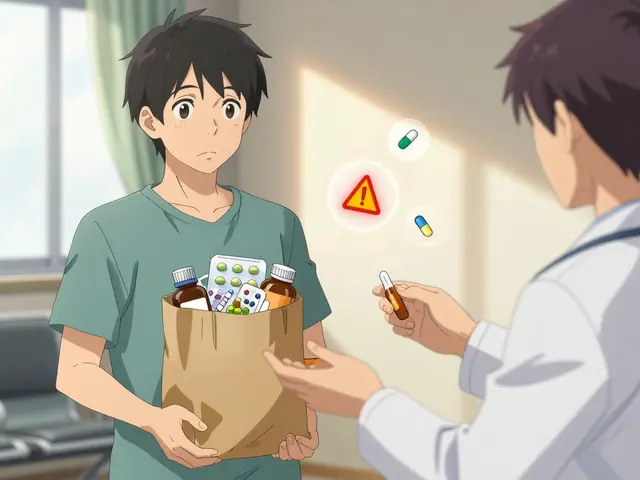
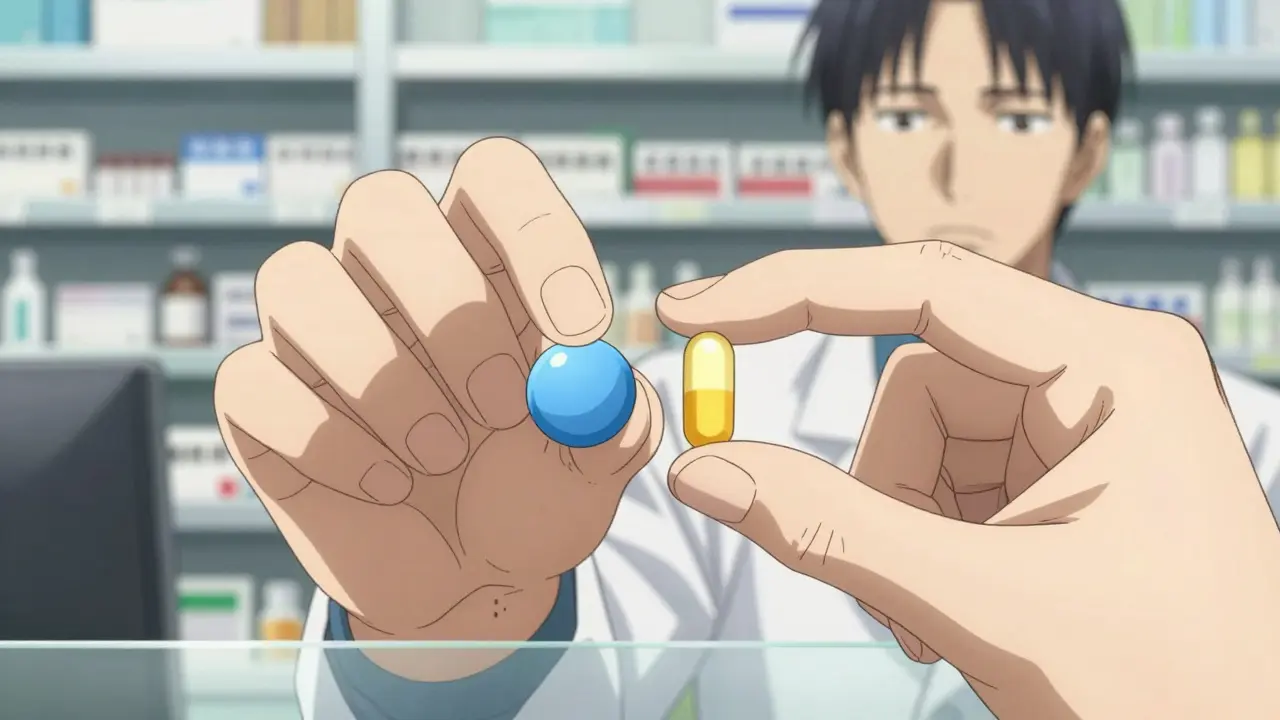
When you pick up a prescription, the pill in your hand might look different from the one you took last month. Maybe it’s a slightly different shade of blue, or perhaps it’s oval instead of round. This is the reality of generic medications, which are medicinal products that contain the same active ingredients as brand-name drugs but may differ in inactive components, appearance, and manufacturer. While these generics make up about 90% of prescriptions dispensed in the United States, they introduce specific vulnerabilities in the pharmacy workflow. It isn’t just about saving money; it’s about patient safety. Medication errors harm at least 1.5 million people annually in the U.S., costing the healthcare system roughly $77 billion each year. Among these incidents, generic substitutions play a surprisingly large role due to variations in formulation, packaging, and labeling across different manufacturers.
You might wonder why generics cause so many issues if they are bioequivalent to their brand-name counterparts. The answer lies in the details. Bioequivalence means the drug delivers between 80% and 125% of the absorption rate of the brand name. That range is acceptable for most patients, but for those on narrow therapeutic index drugs, even small fluctuations matter. More importantly, the physical differences-color, shape, size, and taste-can confuse patients, leading to missed doses or accidental double-dosing. Pharmacists face a unique challenge: ensuring that the right drug reaches the right patient despite these visual and logistical variables.
Understanding Where Errors Occur
To fix the problem, we first need to understand where things go wrong. Research shows that community pharmacies experience prescription correction rates of 23.1 per 10,000 prescriptions. Of these corrections, nearly half stem from administrative causes, while the other half are clinical. When we break down clinical errors, dosage mistakes account for 37.4%, strength discrepancies for 19.2%, and issues with the dispensing form for 14.4%. The "dispensing form" category is where generics often trip us up. A patient used to a white tablet might be handed a yellow capsule by a new generic manufacturer, causing immediate suspicion or confusion.
Consider this scenario: A patient receives a generic version of a twice-weekly medication, but the label instructions are unclear or the packaging looks similar to a daily dose bottle. In one documented case, a patient overdosed because they mistook a twice-weekly regimen for a twice-daily one due to labeling ambiguity on a generic product. These aren’t hypothetical risks; they are real-world failures that happen when communication breaks down between prescribers, pharmacists, and patients. Additionally, look-alike/sound-alike (LASA) naming issues exacerbate the problem. Generic drugs often have complex chemical names that sound similar to other medications, increasing the risk of selection errors during data entry.
| Error Type | Frequency (%) | Generic-Specific Risk |
|---|---|---|
| Dosage Errors | 37.4% | Middle-high (strength variations) |
| Strength Discrepancies | 19.2% | High (multiple strengths available) |
| Dispensing Form Issues | 14.4% | Very High (appearance changes) |
| Quantity Mistakes | 11.3% | Low-Medium |
Technology as a Safety Net
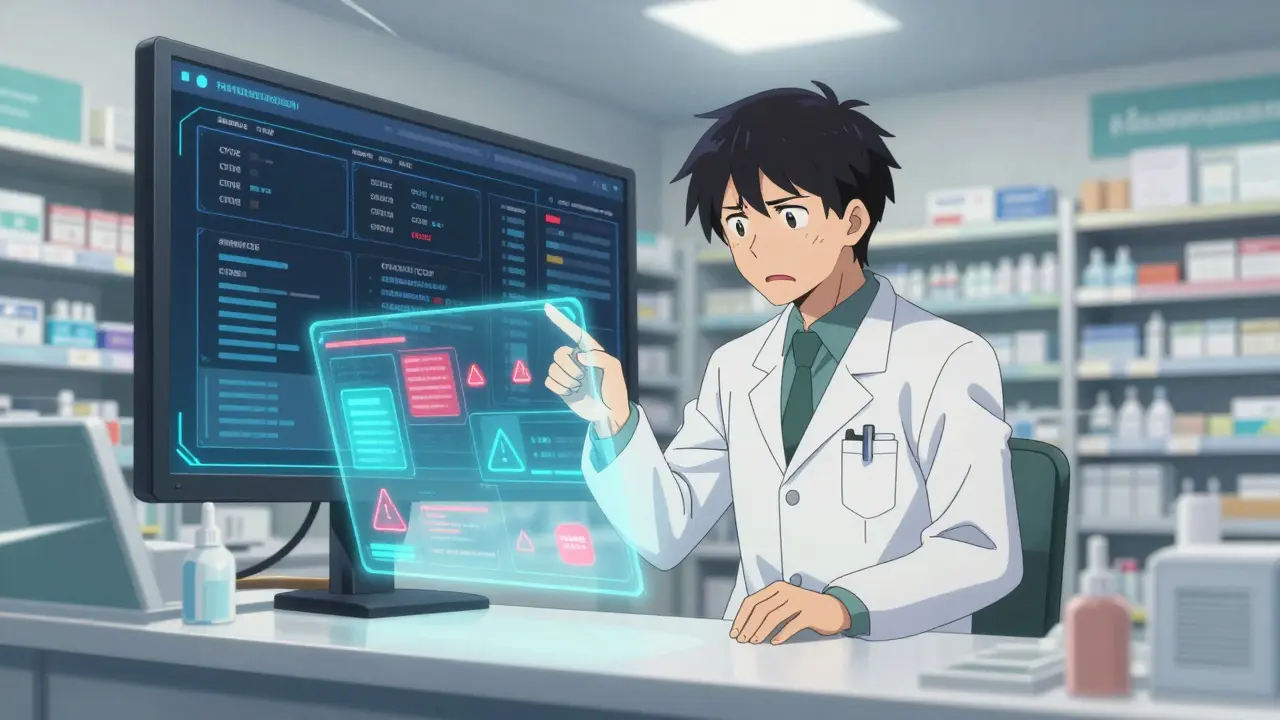
Human error is inevitable, but technology can catch what our eyes miss. Computerized Physician Order Entry (CPOE) systems have been shown to reduce medication errors by 55% in hospital settings and 48% in primary care. Similarly, Bar Code Medication Administration (BCMA) systems cut potential adverse drug events by 50%. These tools verify the drug, dose, and patient before administration, creating a critical checkpoint. However, their effectiveness with generics depends on how well the software tracks manufacturer changes and alerts staff to significant formulation differences.
Clinical Decision Support Systems (CDSS) add another layer of protection by reviewing drug dosing, therapy duplications, and interactions. For example, a CDSS could flag if a patient is being switched to a generic that contains an excipient they are allergic to. But there’s a catch: alert fatigue. If the system flags every minor substitution, pharmacists start ignoring warnings. The WHO warns that excessive "stop alerts" can actually increase error rates by desensitizing staff. The key is smart filtering-only triggering alerts for high-risk scenarios, such as narrow therapeutic index drugs or known patient sensitivities.
Despite these advancements, adoption remains uneven. While 68% of U.S. hospitals use BCMA and CPOE, only about 35-40% of community pharmacies have comparable technologies. This gap leaves millions of patients vulnerable in retail settings, where volume is high and time is short. Investing in integrated electronic health records with updated drug databases is no longer optional; it’s essential for modern pharmacy practice.
Standardized Protocols and Human Factors
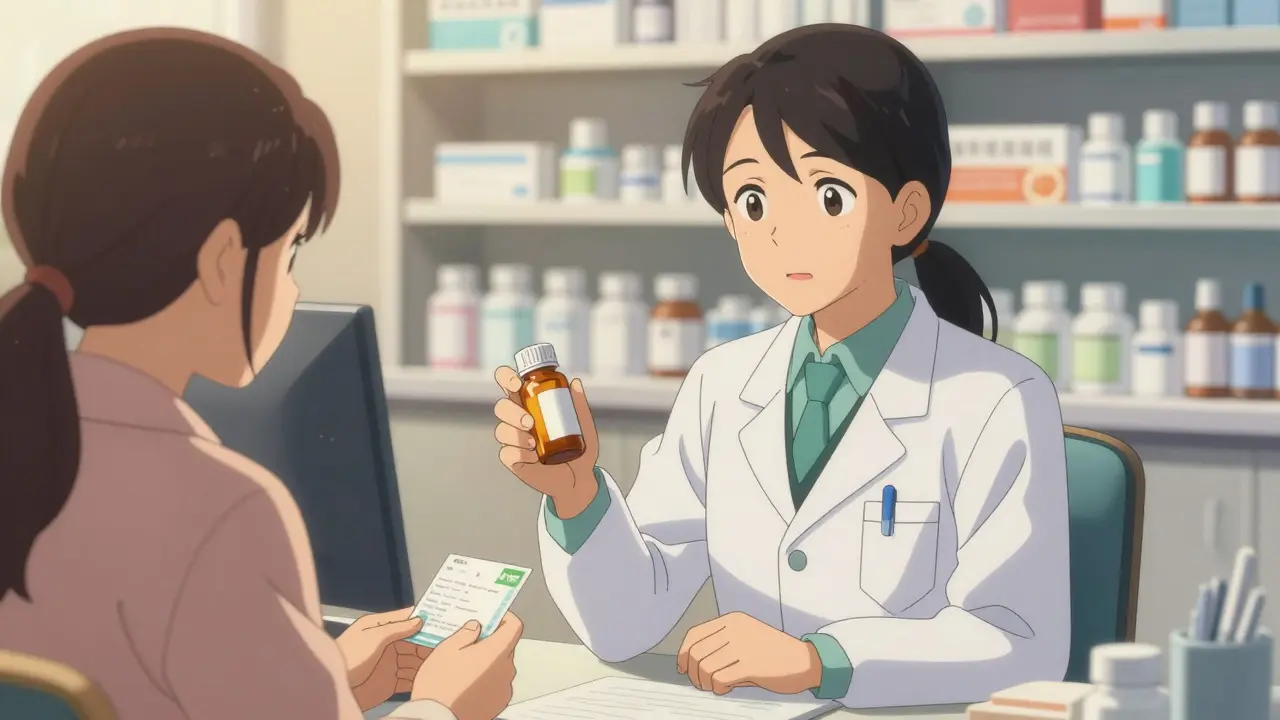
Technology alone won’t solve the problem. We need robust human processes to complement digital tools. The "8 R’s of medication safety" provide a framework: right patient, drug, time, dose, route, documentation, reason, and response. Implementing this protocol requires dedicated training-approximately 8-12 hours for full team integration. Staff must learn to question assumptions, especially when dealing with generic substitutions that change physical appearance.
Medication reconciliation is another powerful tool. When performed by pharmacists, particularly at discharge or during transitions of care, it significantly decreases error rates. A comprehensive review takes 15-20 minutes per patient and identifies an average of 2.3 medication discrepancies. For generics, this process ensures that patients understand why their pill looks different and confirms that the new formulation suits their needs. Without this step, patients may assume the new pill is ineffective or harmful, leading to non-adherence.
Mandatory counseling for first-fill medications acts as a final safeguard. Even though it adds 3-5 minutes per encounter, it catches an estimated 12-15% of potential errors. During these sessions, pharmacists can address concerns about color, shape, or taste changes. They can also clarify dosing schedules, preventing mistakes like the twice-weekly vs. twice-daily confusion mentioned earlier. In high-volume retail environments, finding time for this counseling is challenging, but it’s worth the investment. After all, a five-minute conversation can prevent a costly and dangerous adverse event.
Correcting Errors and Building Resilience
When errors do occur, transparency and swift correction are vital. Reporting systems help identify patterns, yet only 28% of community pharmacies maintain formal error tracking. This lack of data makes it hard to learn from mistakes. Pharmacies should adopt standardized reporting mechanisms that capture not just the error itself, but the contributing factors-was it a LASA issue? A database lag? A communication breakdown?
Correction strategies include immediate patient notification, offering alternative formulations if available, and documenting the incident for future reference. For patients who experienced adverse effects, follow-up care must be provided. From a systemic perspective, pharmacies should work with suppliers to ensure consistent branding or clear labeling when manufacturers change. Advocating for better standardization in generic nomenclature and physical characteristics can reduce long-term risks.
Looking ahead, AI-powered CDSS systems promise even greater precision. Pilot programs show a 22% additional error reduction beyond standard CDSS by predicting patient-specific reactions based on pharmacogenomics. As these technologies mature, they will enable personalized generic substitution decisions, moving us closer to the WHO’s goal of reducing global medication errors by 70-75% by 2030. Until then, vigilance, education, and smart technology remain our best defenses.
Why do generic medications cause more pharmacy errors?
Generics introduce variability in inactive ingredients, appearance (color, shape), and manufacturer packaging. These differences can lead to patient confusion, misidentification, and dispensing form errors, especially when multiple manufacturers produce the same drug with distinct physical characteristics.
What is the most common type of clinical error with generics?
Dosage errors are the most frequent, accounting for 37.4% of clinical corrections. Strength discrepancies and dispensing form issues also contribute significantly, often due to look-alike/sound-alike naming or packaging similarities.
How effective are technology solutions like CPOE and BCMA?
CPOE reduces medication errors by 55% in hospitals and 48% in primary care. BCMA cuts potential adverse drug events by 50%. However, their success depends on proper implementation and avoiding alert fatigue through smart filtering.
What role does patient counseling play in preventing generic errors?
Mandatory counseling for first-fill generics catches 12-15% of potential errors. It helps patients understand physical changes in their medication, clarifies dosing schedules, and addresses concerns about efficacy or side effects related to formulation differences.
How can pharmacies improve error tracking and correction?
Pharmacies should implement formal error reporting systems to identify patterns and root causes. Corrective actions include notifying patients, switching formulations if needed, and advocating for standardized generic labeling to reduce future risks.