
Health February 7, 2026
Smell Changes from Medications: Understanding Dysosmia
Have you ever taken a pill and suddenly your favorite coffee tastes like metal? Or maybe your bread smells like rotting garbage? You’re not imagining it. This isn’t just a weird coincidence - it’s a real, documented side effect called dysosmia. And it’s happening to more people than doctors realize.
Every year, hundreds of thousands of people start new medications - antibiotics, blood pressure pills, antidepressants, epilepsy drugs. Most expect side effects like dizziness or dry mouth. But very few are warned about changes in smell or taste. And yet, research shows that over 500 medications can mess with your sense of smell. That’s not rare. That’s common.
What Exactly Is Dysosmia?
Dysosmia isn’t just losing your sense of smell. That’s called anosmia. Dysosmia is when your nose and brain get mixed up. A fresh loaf of bread might smell like burnt plastic. Your orange juice could taste like copper pennies. Or worse - you smell smoke, rotting meat, or chemicals when there’s nothing there.
This isn’t just annoying. It’s dangerous. If you can’t smell gas, smoke, or spoiled food, you’re at risk. It also wrecks your appetite. One study found that 30% of people with medication-induced dysosmia lost significant weight because food became unpalatable. Some stopped eating altogether.
It’s not just about taste. Your sense of smell is deeply tied to memory, emotion, and safety. Losing it - or twisting it - can make you feel isolated, anxious, or depressed. And because it’s not talked about, most people think they’re going crazy.
Which Medications Cause Smell Changes?
It’s not just one drug. It’s whole categories. The biggest offenders? Antibiotics, heart meds, and brain-targeting drugs.
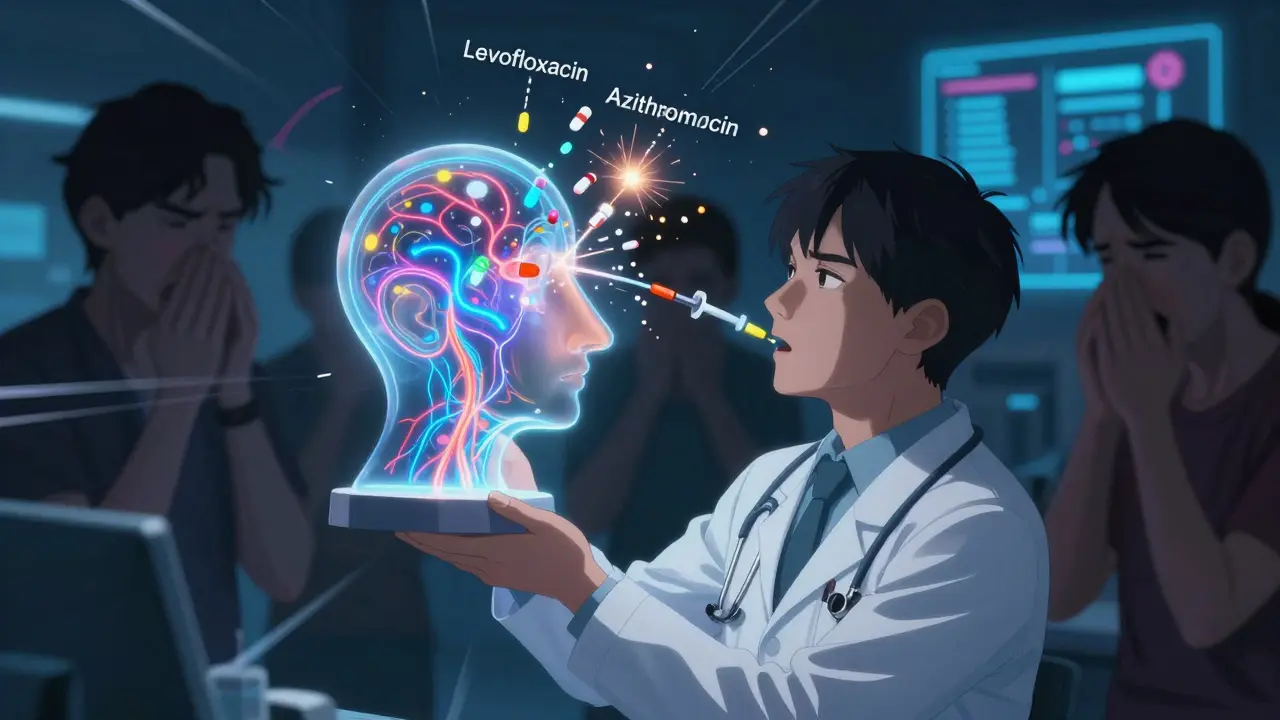
- Antibiotics: Azithromycin, clarithromycin, doxycycline, levofloxacin, moxifloxacin. These are among the most common causes. One study found people on levofloxacin were 2.5 times more likely to develop taste distortion than those not taking it.
- Heart medications: Midodrine, used for low blood pressure, is known to cause metallic tastes within hours of taking it.
- Neurological drugs: Carbamazepine (for seizures), baclofen (for muscle spasms), and even some SSRIs like sertraline can alter smell perception by interfering with how nerve cells send signals.
- Other culprits: Thyroid meds, diabetes drugs like tolbutamide, and even iron supplements given through IV can trigger sudden metallic tastes.
Here’s the twist: it’s not always the drug itself. Often, it’s how the drug interacts with your body. Fluoroquinolone antibiotics (like levofloxacin) bind to zinc and magnesium - minerals your smell receptors need to work. Macrolide antibiotics (like azithromycin) disrupt calcium channels in taste cells. Some drugs even get into the cell membrane and mess with the signals your nose sends to your brain.
Why Do Some People Get It and Others Don’t?
There’s no clear answer. You could take the same antibiotic as your neighbor and have zero issues, while they can’t eat for weeks. Genetics play a role. Age matters - older adults are more vulnerable. So do existing conditions like chronic sinusitis or prior head injuries.
But here’s the real problem: doctors don’t ask. A 2022 survey found only 37% of primary care doctors routinely check for smell or taste changes when reviewing medications. Patients don’t mention it because they assume it’s normal. Or they think no one will believe them.
One woman in a 2021 case study started levofloxacin for a urinary infection. Ten days later, everything tasted like bile. She lost 8 pounds in three weeks. She went to three doctors before someone asked about her smell. The fix? Stopping the drug. But even then, her symptoms lasted for months.
How Long Does It Last?
Good news: most cases get better. About 78% of people see improvement within three months of stopping the medication. But 22% don’t. For them, the distortion sticks around - sometimes for years.
Reddit threads are full of stories like this: “Took azithromycin for bronchitis. Now, two years later, everything smells like rotting eggs.” One user lost 15% of their body weight. Another couldn’t hug their kids because their perfume smelled like sewage.
There’s no magic cure. Zinc supplements? They help if you’re deficient - but most people with drug-induced dysosmia aren’t. Theophylline? Used in some cases to restore smell, but it’s not widely available. Dopamine blockers? Used for phantom smells, but they come with their own side effects.
One exception: mirtazapine, an antidepressant sometimes used off-label. In a few documented cases, a low nightly dose (15mg) cleared up metallic taste in just a few days. But this isn’t a universal fix - it’s a rare outlier.
What Should You Do If This Happens to You?
Step 1: Don’t panic. But don’t ignore it either.
Step 2: Track when it started. Did it begin within a week of starting a new drug? That’s a huge clue.
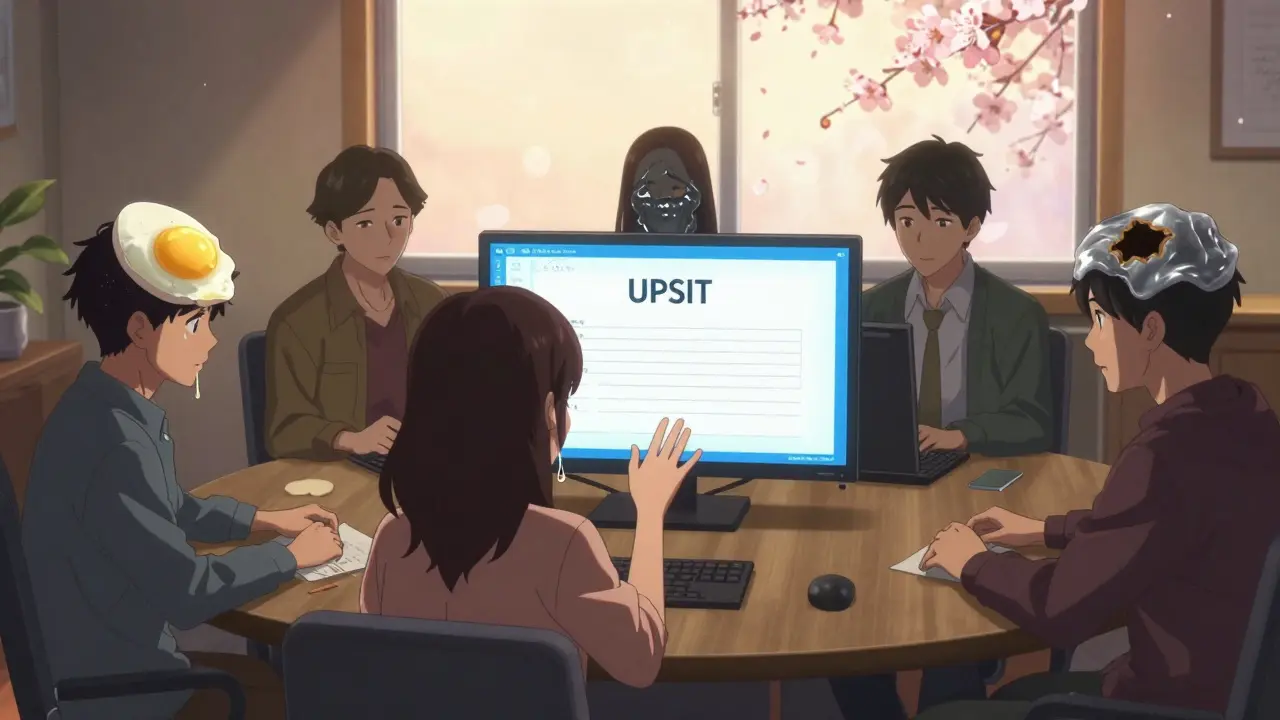
Step 3: Talk to your doctor - but not just any doctor. Go to an ENT (ear, nose, and throat specialist) or a clinic that specializes in smell disorders. Ask for the University of Pennsylvania Smell Identification Test (UPSIT). It’s a 40-item sniff test that can confirm if your smell function is impaired.
Step 4: Ask if the medication can be switched. Sometimes, swapping a fluoroquinolone antibiotic for a different class can make all the difference. If it’s a life-saving drug (like carbamazepine for seizures), your doctor may need to weigh risks carefully.
Step 5: Give it time. Even if you stop the drug, recovery can take weeks or months. Be patient. And avoid alcohol - it can worsen symptoms.
What’s Being Done About It?
For decades, this was invisible. But things are changing.
The FDA now encourages drug makers to include smell and taste changes as endpoints in clinical trials. AstraZeneca even filed a patent in 2022 for a treatment targeting drug-induced olfactory dysfunction. In 2024, the European Medicines Agency will require smell and taste testing in all Phase III trials for antibiotics and heart meds.
Researchers are testing new drugs that target the TRPM5 channel - a protein in taste cells that’s often disrupted by medications. Early trials are promising. Meanwhile, the Global Chemosensory Research Consortium has enrolled over 1,200 patients from 14 countries to build a real-world database of cases.
Nonprofits like Fifth Sense in the UK now run monthly online support groups for people with medication-induced smell disorders. Over 150 people join each session. They share tips, vent, and sometimes just say, “Me too.” That alone helps.
Final Thoughts
Smell is one of the most underrated senses. We don’t notice it until it’s gone - or twisted. And when medication is the cause, it’s easy to feel alone. But you’re not.
If you’ve noticed strange smells or tastes since starting a new drug, speak up. Bring it up at your next appointment. Ask if it could be linked. Bring a list of your meds. Write down when the changes started.
Doctors are starting to listen. The science is catching up. And more people are speaking out. Your experience matters - not just for you, but for everyone who comes after you.
Don’t brush it off. Don’t assume it’s in your head. And don’t wait until you’ve lost weight or stopped enjoying life. Get it checked. Your nose - and your health - will thank you.
Write a comment
Items marked with * are required.



9 Comments
Mayank Dobhal February 8, 2026 AT 19:29
This is wild. Took azithromycin last year and everything smelled like burnt toast. Thought I was going insane. Turns out it's not just me. Glad someone finally put this out there.
AMIT JINDAL February 9, 2026 AT 18:08
Lmao i was just gonna say i thought i was the only one who thought my coffee tasted like a battery after that one course of doxycycline 😅 honestly tho this is such a underrated topic. people dont talk about smell loss like it's a big deal but bro its like losing a whole sense of memory. i used to love the smell of rain on pavement now its just... metallic dust. 🤢
Tola Adedipe February 10, 2026 AT 07:18
You're underestimating how systemic this is. The FDA doesn't require smell testing because it's 'hard to quantify'-bullshit. It's because pharmaceutical companies don't want to slow down approvals. This isn't an accident. It's corporate negligence dressed up as 'rare side effect.' We need class actions, not just Reddit threads.
Marcus Jackson February 12, 2026 AT 00:00
The fluoroquinolone thing is legit. I took levofloxacin for a UTI in 2020. Metallic taste for 11 months. Went to 3 docs. One said 'maybe you're stressed.' Another said 'try zinc.' The ENT finally did UPSIT and confirmed olfactory dysfunction. Took 18 months to recover. Don't ignore it.
Natasha Bhala February 13, 2026 AT 12:16
I'm so glad you wrote this. I thought i was crazy when my mom's perfume started smelling like garbage after i started sertraline. I didn't tell anyone for months. Now i tell every new patient i work with to watch for this. You're not alone. It's real. And it's not in your head 💛
Catherine Wybourne February 13, 2026 AT 20:40
I love how you mentioned Fifth Sense. I joined their group last year. We had a woman from Australia who said she could no longer smell her grandkids' hair after carbamazepine. We all cried. It's not just about taste. It's about connection. The fact that they're building a global database? That's the kind of change we need.
Jesse Lord February 15, 2026 AT 03:33
Honestly the biggest thing i learned from this is that doctors don't ask because they don't know. Not because they don't care. I'm an RN and i never learned this in school. We need to push for this in med school curriculums. Not just for patients. For us too.
Ashley Hutchins February 15, 2026 AT 16:48
People really think this is a big deal? I mean i get it but like if you're taking meds for life threatening stuff why are you so focused on whether your toast smells like sulfur? Maybe you should be grateful you're alive at all. Some of us are just trying to survive. Not have perfect nose function.
Lakisha Sarbah February 17, 2026 AT 11:58
To the person above: i get it. But if you can't smell smoke or spoiled milk? That's not about being grateful. That's about safety. And if you can't enjoy food for months? That's not a luxury. That's depression. This isn't a first world problem. It's a health one.