Health February 24, 2026
Why Brand Companies Launch Authorized Generics: Strategy Explained
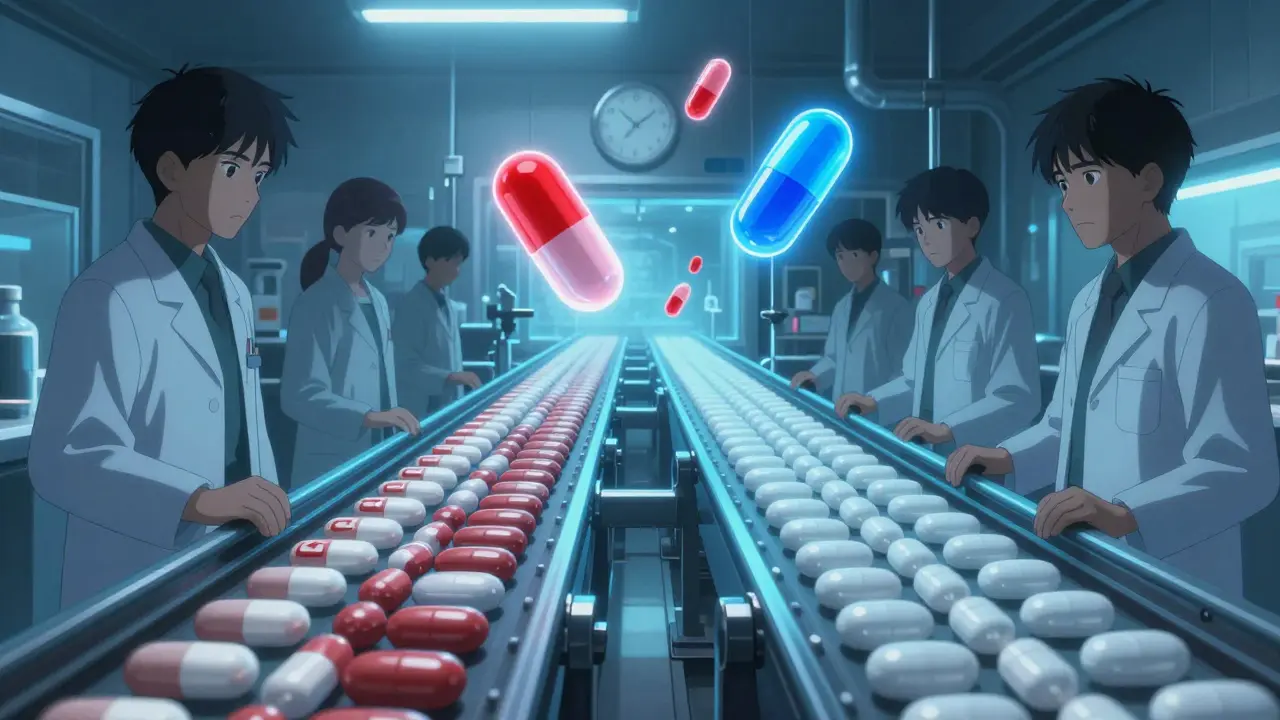
When a blockbuster drug loses its patent, most people assume the brand company walks away with nothing. But that’s not what happens. Instead, you’ll often see the same company that made the original drug - the one with the fancy logo and TV ads - start selling the exact same pill, just without the brand name, at a much lower price. This is called an authorized generic. And it’s not a mistake. It’s a calculated move.
What Exactly Is an Authorized Generic?
An authorized generic is not a copy. It’s the real thing. Made by the original brand manufacturer, using the same active ingredients, same inactive ingredients, same factory, same process. The only difference? The packaging. No brand name. No logo. Sometimes, a different color or marking on the pill. It’s the same drug, sold as a generic.
Here’s how it works legally: The brand company uses its original FDA approval - called a New Drug Application (NDA) - to produce and sell this version. They don’t need to go through the full generic approval process (ANDA). They just notify the FDA. That means they can launch faster than any competitor. No waiting 18 to 24 months. They’re already set up. They know the formula inside out.
Why Would a Company Undercut Its Own Brand?
It sounds crazy. Why sell your own product cheaper? The answer is simple: to stop losing everything.
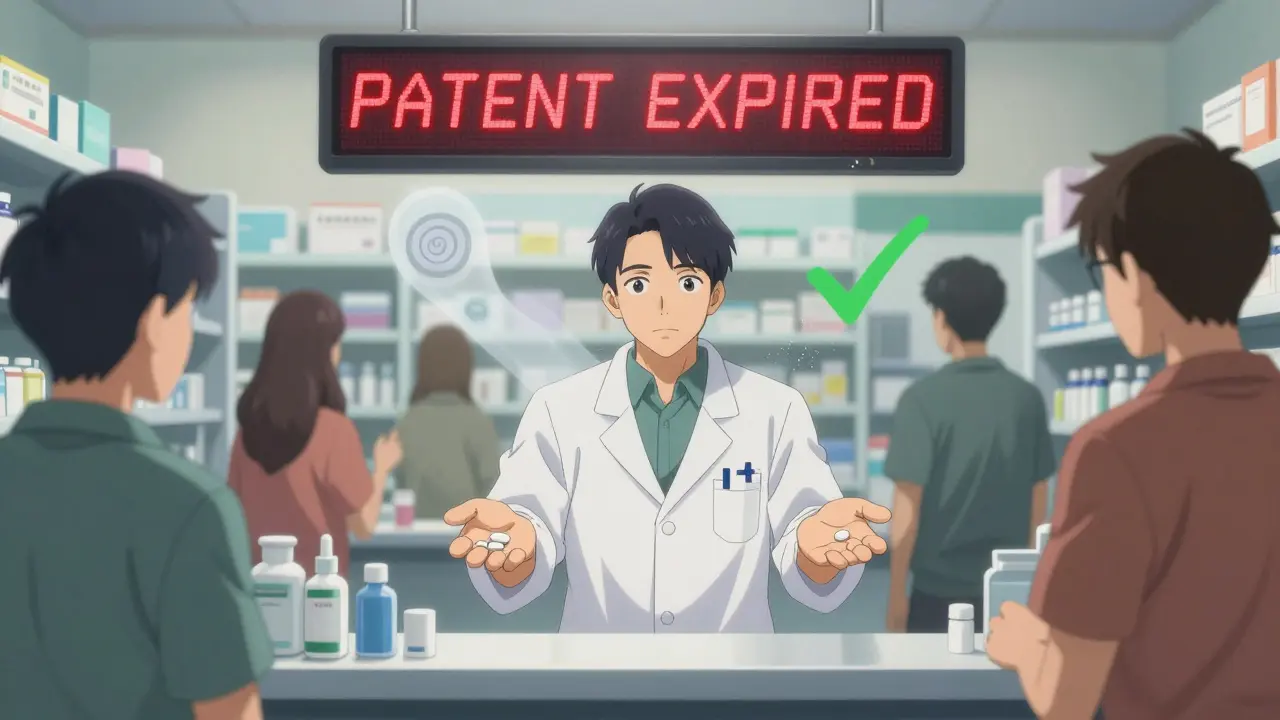
When a drug’s patent expires, generic competitors rush in. In the first year, brand sales typically drop 80-90%. That’s a $1 billion drug turning into $100 million overnight. Most companies panic. They cut costs. They lay off staff. They shut down production lines. But some do something smarter.
They launch their own authorized generic.
Instead of letting a single generic company take 100% of the market, they split it. They keep their brand - still priced high - for patients who don’t mind paying more. And they offer the authorized generic to price-sensitive buyers: those on Medicaid, Medicare, or with high-deductible plans. Suddenly, they’re not just surviving the patent cliff. They’re capturing part of the new market.
The Hatch-Waxman Act and the 180-Day Edge
The U.S. system gives the first generic company a special advantage: 180 days of exclusive rights to sell the generic version. During that time, no other generic can enter. That’s a golden window. The first generic can charge nearly the same price as the brand - and rake in huge profits.
But here’s where the brand company strikes back.
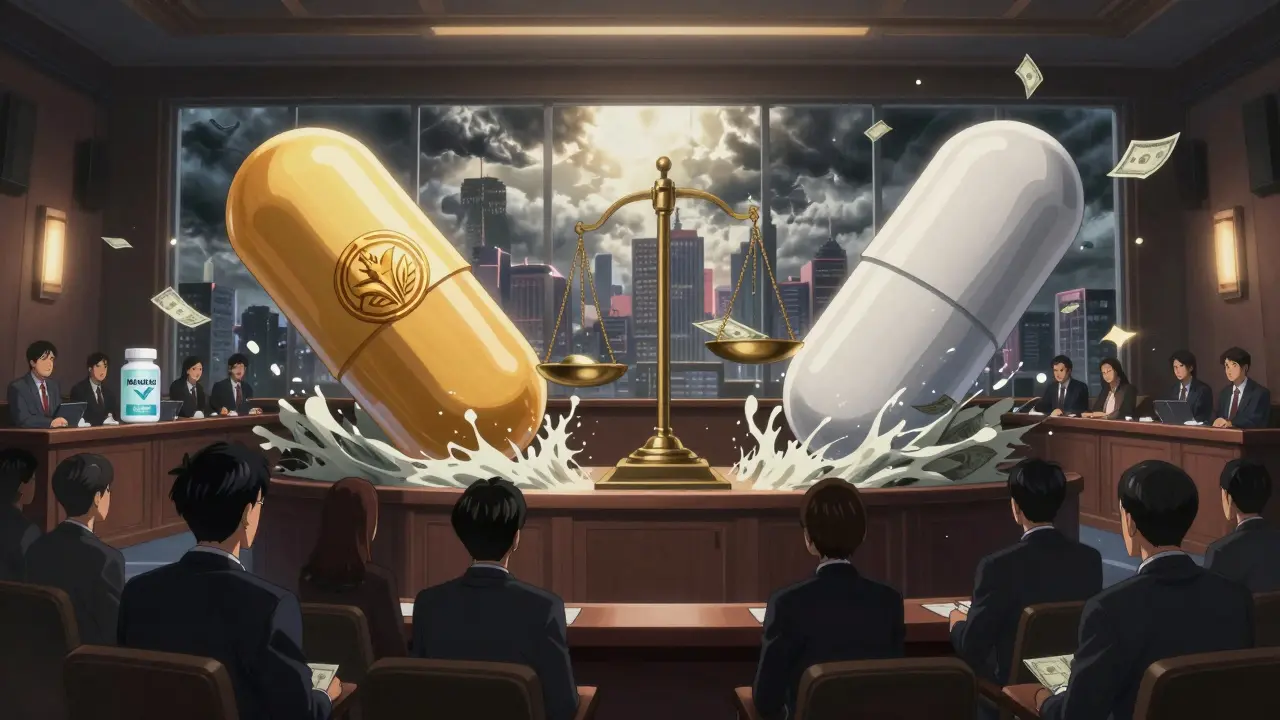
If the brand manufacturer launches its own authorized generic during that 180-day window, it breaks the monopoly. Now there are two versions of the same drug on the market: the original generic and the authorized one. Prices drop fast. The first generic loses its pricing power. And the brand company? It gets to sell its version too - at generic prices - and keeps some revenue flowing.
According to a 2022 study in Health Affairs, about 70% of authorized generics launched before or during that 180-day period. That’s not coincidence. That’s strategy.
The Federal Trade Commission confirmed this in its 2011 report: when authorized generics entered during exclusivity, prices fell 30-50% faster than in markets without them. Consumers won. The first generic lost its windfall. And the brand company? It kept its footing.
More Than Just Price - It’s About Trust
Patients don’t just care about price. They care about what happens when they switch.
Traditional generics can have different inactive ingredients - fillers, dyes, coatings. For most drugs, that’s fine. But for drugs with a narrow therapeutic index - like blood thinners, seizure meds, or thyroid hormones - even small changes can cause problems. Patients might have a bad reaction. Doctors might get nervous.
An authorized generic removes that fear. It’s the exact same formulation. Same chemistry. Same performance. A 2005 Roper Public Affairs study found that over 80% of Americans wanted the option of an authorized generic. Why? Because they knew it was the same drug they’d been taking for years.
That’s why companies like Pfizer (with Greenstone Pharmaceuticals) and Amneal (formerly Impax) built entire divisions around this. Celebrex’s authorized generic? Made by Pfizer. Concerta’s? Made by Watson, now part of Amneal. Colcrys? Made by Prasco, under license. These aren’t afterthoughts. They’re core parts of their business models.
A Shift in Timing - From Defense to Offense
Early on, authorized generics were mostly a reaction. Companies waited until a generic competitor showed up, then jumped in.
But that’s changing.
From 2020 to 2023, brand companies started launching authorized generics even before generics appeared. Sometimes, months before the patent even expired. Why? To scare off potential entrants.
If you’re a generic company thinking about investing millions to get FDA approval for a new drug - and you see the brand manufacturer already has an authorized version ready to go on day one - you might rethink it. Why fight a battle you can’t win? The brand company isn’t just defending. They’re attacking.
Some are even using distribution tricks. They sell the authorized generic only through mail-order pharmacies or specific retail chains. That way, patients don’t see the price difference between the brand and the generic side by side. It keeps the brand’s premium pricing intact - while still capturing the budget segment.
What’s Next? Biologics and Beyond
The same logic is now being tested with biologics - complex drugs made from living cells, like Humira or Enbrel. These are expensive, hard to copy, and protected by long patents. But as those patents expire, biosimilars will enter the market.
Will brand companies launch “authorized biosimilars”? It’s not officially allowed yet. The FDA hasn’t created a clear path. But companies are already testing the waters. Why? Because they’ve seen how well this strategy works with traditional drugs. If they can do it with biologics, they could preserve billions in revenue.
Right now, it’s a gray area. But if the trend continues, we’ll likely see more of this - not less. As specialty drugs become more common and more expensive, the pressure to protect revenue will only grow.
Who Wins?
Patients. Payors. Even some generic manufacturers - if they can compete on price and service.
Consumers get lower prices without sacrificing quality. Insurers and government programs save money. The brand company avoids total collapse. And yes, sometimes the first generic gets squeezed. But that’s the market. The real winners? The people who need the medicine.
This isn’t about tricking customers. It’s about adapting. The pharmaceutical industry is changing. Companies that cling to old models - wait for the patent to expire, then vanish - disappear. The ones that anticipate, adapt, and offer real value? They survive. And they keep making drugs people need.
Write a comment
Items marked with * are required.

15 Comments
Holley T February 24, 2026 AT 13:43
I mean, this whole authorized generic thing is genius, honestly. It’s not just about profit retention-it’s about controlling the narrative. The brand company doesn’t just wait for the patent to expire and pray. They engineer the market. They know patients are scared of switching. They know insurers want cheaper options. So they give both sides what they want, but on their terms. No one else can do that. No generic manufacturer has the same supply chain, the same FDA familiarity, the same trust. It’s like they’re playing 4D chess while everyone else is stuck on checkers. And let’s be real-most people don’t even realize they’re buying the same pill. The packaging’s different, sure, but the capsule? Same factory. Same batch code, sometimes. It’s wild how much power one company can hold over something as essential as medication.
Ashley Johnson February 26, 2026 AT 12:20
this is all a scam. the fda is in bed with big pharma. they let them make 'authorized generics' so they can keep their monopoly. same pill. same factory. same everything. but now they're charging less? no. they're just hiding the real price. you think the government doesn't know? they do. they just don't care. your insulin. your blood pressure med. your antidepressants. all controlled. by the same companies. they're not helping you. they're just letting you think you're saving money. it's psychological manipulation. they want you to feel smart for buying the 'generic'... but it's still their drug. always has been. always will be.
tia novialiswati February 28, 2026 AT 03:06
This is actually such a cool example of smart business! 😊 Like, instead of panicking when patents expire, they’re like, ‘Hey, we know this drug inside out-let’s make it affordable and keep helping people.’ It’s not about greed-it’s about continuity. Patients get the same medicine they trust, just cheaper. And honestly? That’s rare in pharma. Most companies just ghost after the patent dies. But these ones? They stick around. Kudos to them. 🙌
Christopher Brown February 28, 2026 AT 07:33
America still lets corporations play god with life-saving drugs. Pathetic.
Sanjaykumar Rabari March 1, 2026 AT 11:49
this is how america controls the world. first they make the drug expensive then they make it cheap so other countries think they are helping. but no. they are just keeping the profit. same factory same pill. they are not giving up anything. they are just moving money from one pocket to another. this is not innovation. this is manipulation.
Kenzie Goode March 3, 2026 AT 00:03
I never realized how much strategy went into this. It’s not just about money-it’s about trust. The fact that a company would sacrifice short-term profit to ensure continuity for patients who rely on these meds? That’s actually kind of beautiful. It’s not perfect, but it’s one of the few times pharma felt human.
Dominic Punch March 5, 2026 AT 00:01
The Hatch-Waxman 180-day window is the key here. Most people miss that. The brand doesn’t just wait-they time their authorized generic to drop right as the first generic gets their exclusivity. It’s not defensive. It’s surgical. They’re not trying to win-they’re trying to neutralize. And honestly? It works. You see price drops within weeks. That’s not luck. That’s engineering. The FTC data proves it. If you’re a generic manufacturer thinking of entering the market? Look at the timeline. If the brand’s already got an authorized version queued up? Walk away. You’re not going to win. And that’s the point.
Valerie Letourneau March 6, 2026 AT 01:18
It is, in fact, a remarkably sophisticated example of adaptive corporate strategy. The pharmaceutical industry, often maligned for its perceived profiteering, demonstrates here a nuanced understanding of market dynamics, regulatory frameworks, and patient psychology. The preservation of therapeutic continuity-particularly for medications with narrow therapeutic indices-is not merely a commercial consideration; it is a public health imperative. That the original manufacturer leverages its regulatory capital to ensure such continuity, while simultaneously mitigating market disruption, reflects not opportunism, but responsibility. One might argue this is the very definition of responsible innovation.
Khaya Street March 8, 2026 AT 00:42
Smart move. They didn’t just roll over. They adapted. That’s more than most companies do. Pharma’s messy, but this? This is how you stay in the game without completely abandoning patients. Respect.
Brooke Exley March 8, 2026 AT 23:20
I love this so much. It’s like the company said, ‘We made this medicine. We know how to make it right. So why let someone else mess it up?’ They didn’t abandon their patients. They didn’t ghost them after the patent died. They said, ‘Here, take the same thing you’ve always trusted-but cheaper.’ And that? That’s not just business. That’s loyalty. 🤍
Alfred Noble March 9, 2026 AT 10:17
kinda wild that they do this. i always thought generics were the 'other' companies. but nope. it's the same factory. same pill. just no logo. and now they're using mail order to hide the price difference? that's sneaky. but also... kinda smart? i mean, if you're gonna do it, do it right. still feels a bit manipulative though. lol
Emily Wolff March 9, 2026 AT 11:05
It’s not strategy. It’s exploitation.
Lou Suito March 9, 2026 AT 14:18
I’m not buying it. Authorized generics? Please. It’s a loophole. The FDA lets them bypass ANDA? That’s not innovation. That’s regulatory favoritism. And the 180-day window? That’s not competition. That’s collusion. They’re not lowering prices to help people. They’re cornering the market before anyone else can breathe. This isn’t capitalism. It’s monopoly with a smile.
Lisandra Lautert March 10, 2026 AT 14:50
They’re not saving patients. They’re saving themselves. And they want you to think they’re heroes.
Bhaskar Anand March 11, 2026 AT 01:13
This is how america controls the global drug market. They create the drug. They patent it. They make it expensive. Then they make a fake generic to destroy competition. This is not business. This is war. And the world is losing. India makes real generics. USA makes fake ones. The difference? One helps people. The other controls them.