
Health July 17, 2026
Antibiotics and Myasthenia Gravis: Navigating Neuromuscular Weakness Risks
Myasthenia Gravis Antibiotic Risk Calculator
Select Your Parameters
Personal Risk Factors:
Risk Assessment
Enter details to see your estimated risk.
Recommendation:
Note: This tool provides estimates based on general data (Cleveland Clinic 2024). It is not medical advice. Always consult your neurologist before starting new medications. Infection itself can worsen MG symptoms.
Imagine you have Myasthenia Gravis (MG), a condition where your muscles get tired quickly because the signals from your nerves don't reach them properly. Now imagine catching a nasty infection that needs treatment. You face a tricky choice: take the medicine to fight the bug, or risk making your muscle weakness worse? This isn't just a hypothetical worry. For people living with this autoimmune disorder, picking the right medication is a balancing act between treating an infection and avoiding a dangerous flare-up.
The good news? We know more now than we did ten years ago. Old advice often told patients to avoid entire classes of drugs completely. Newer research suggests the picture is more nuanced. You can still treat infections effectively without panicking about every pill. Let's look at which medicines carry risks, why they cause problems, and how to stay safe.
How Antibiotics Affect Muscle Signals
To understand the risk, you first need to see what happens inside your body during normal movement. When your brain tells a muscle to move, it sends an electrical signal down a nerve. At the end of that nerve is a tiny gap called the neuromuscular junction. Here, a chemical messenger named acetylcholine jumps across the gap to attach to receptors on the muscle fiber. This attachment triggers the muscle to contract.
In someone with MG, the immune system attacks these receptor sites, leaving fewer available for the chemical to latch onto. It’s like trying to park in a lot where half the spaces are blocked off. The car (the chemical) has a harder time finding a spot. Some antibiotics make things even tougher by interfering with this process directly. They might block the release of the chemical from the nerve or stop it from sticking to the muscle. When you combine the existing shortage of receptors with this added interference, the signal fails. The result is sudden, severe weakness that can affect breathing or swallowing-a situation doctors call a myasthenic crisis.
High-Risk Medications to Watch Out For
Not all antibiotics are created equal when it comes to MG. Certain groups have been linked to higher rates of symptom worsening. Knowing these names helps you advocate for yourself at the pharmacy or doctor's office.
- Fluoroquinolones: Drugs like ciprofloxacin (Cipro), levofloxacin (Levaquin), and moxifloxacin (Avelox) sit in this group. Historically, these carried black box warnings-the strictest alert level from the FDA-for MG patients. A 2023 study published in the Journal of Neurology found that while the overall risk of exacerbation was around 1.9% for this class, individual drugs varied slightly, with ciprofloxacin showing a 2.4% rate.
- Aminoglycosides: Agents such as gentamicin, neomycin, and tobramycin are considered high-risk. These are often given intravenously in hospitals rather than as pills. They work by blocking the postsynaptic receptors directly, which can severely disrupt muscle contraction.
- Telithromycin: This specific macrolide antibiotic is generally considered absolutely contraindicated for MG patients due to its strong effect on neuromuscular transmission.
While the headlines used to scream "avoid at all costs," recent data adds context. The Cleveland Clinic presented findings in 2024 showing that the actual rate of serious exacerbations linked specifically to fluoroquinolones was about 2%. That sounds low, but remember: one person experiencing a breathing emergency is too many. The key is understanding that "low risk" doesn't mean "no risk."

Safer Alternatives for Infection Treatment
You don't always have to settle for the most aggressive drug. Many common infections can be treated with medications that pose significantly less danger to your muscle function. Penicillins, for instance, have consistently shown lower exacerbation rates.
| Antibiotic Class | Common Examples | Risk Level | Estimated Exacerbation Rate |
|---|---|---|---|
| Penicillins | Amoxicillin, Penicillin V, Ampicillin | Low | ~1.3% |
| Macrolides | Azithromycin, Clarithromycin | Moderate | ~1.5% |
| Fluoroquinolones | Ciprofloxacin, Levofloxacin | Moderate-High | ~1.6-2.4% |
| Aminoglycosides | Gentamicin, Tobramycin | High | Variable (Clinical caution advised) |
Amoxicillin remains a go-to choice for many routine infections like strep throat or certain urinary tract issues. If your doctor prescribes a penicillin, you can usually breathe easier knowing the statistical chance of triggering a flare is minimal. However, allergies matter here. If you're allergic to penicillin, ask your provider if cephalosporins or other non-interfering options might work. Never assume an allergy means you must take a high-risk drug; there are often multiple paths to clearing an infection.
Who Is Most Vulnerable?
Not everyone with MG reacts the same way to medications. Your personal risk depends on several factors beyond just the drug name. The 2024 Cleveland Clinic study highlighted three specific traits that increase vulnerability:
- Recent Instability: If you've had an MG-related hospital visit or emergency room trip in the last six months, your nervous system is likely more sensitive. During this window, even moderate-risk drugs warrant extra caution.
- Gender: Female patients showed a statistically higher likelihood of exacerbation in the study data. While the biological reason isn't fully clear, clinicians should note this demographic factor.
- Diabetes: Having diabetes alongside MG appears to compound the risk. Blood sugar fluctuations and vascular health may play roles in how well your neuromuscular junction handles stress.
If any of these apply to you, tell your doctor immediately. They might choose to monitor you more closely or opt for the safest possible antibiotic, even if it takes longer to cure the infection. Stability is the goal. Treating an infection is vital-untreated infections themselves trigger MG flares-but doing so without destabilizing your muscles is the ideal outcome.
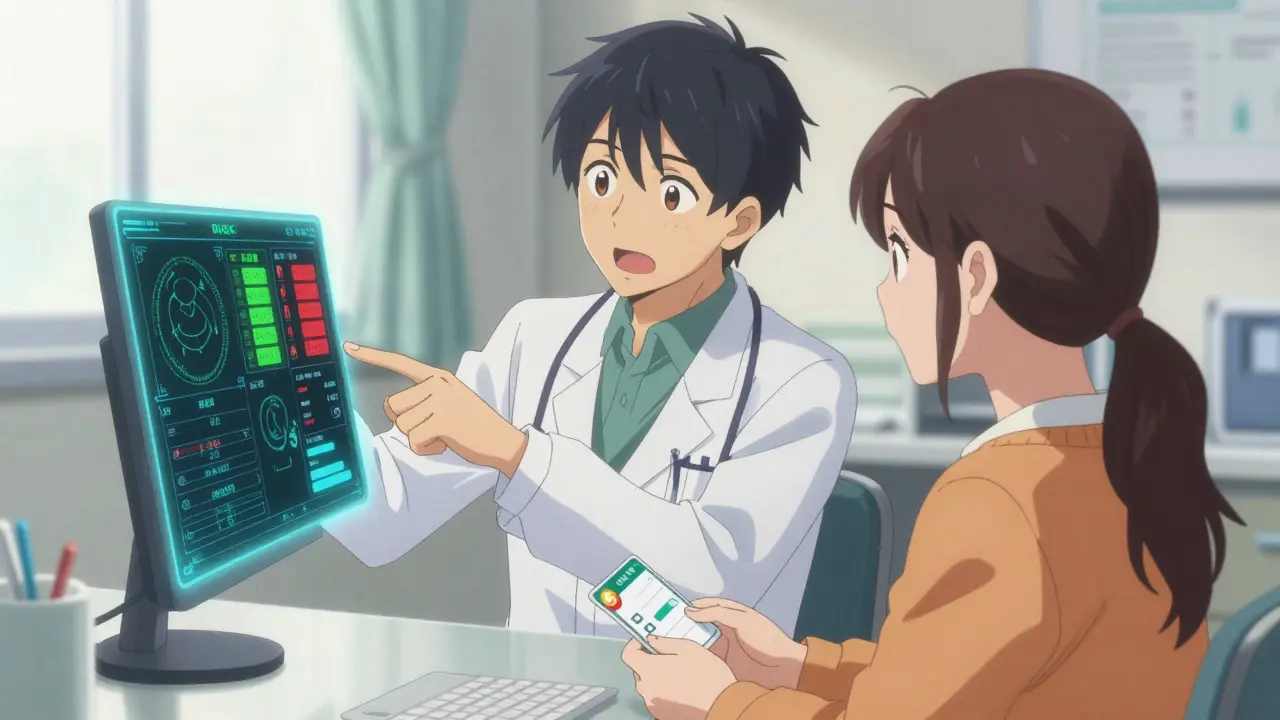
Navigating the Doctor-Patient Conversation
Communication is your best defense. Before taking any new prescription, have a direct chat with your neurologist or primary care provider. Don't wait until you're already sick. Create a medical alert card or update your digital health records to state clearly: "Patient has Myasthenia Gravis. Avoid aminoglycosides and use caution with fluoroquinolones/macrolides." When you do get sick, ask these specific questions:
- "Is this antibiotic known to affect neuromuscular transmission?"
- "Are there safer alternatives like amoxicillin that would work for this infection?"
- "What symptoms should I watch for in the first 72 hours?"
Monitoring for Warning Signs
If you must take a moderate- or high-risk antibiotic, vigilance is key. The first three days of treatment are critical. Watch for subtle changes that differ from your baseline MG symptoms. Normal fatigue is expected with illness, but new weakness is not. Look out for:
- Drooping eyelids that worsen rapidly
- Double vision or blurred sight that interferes with walking
- Difficulty chewing food or keeping liquids down
- A change in voice quality, becoming nasal or slurred
- Shortness of breath, especially when lying flat
Can I take azithromycin if I have Myasthenia Gravis?
Azithromycin belongs to the macrolide class, which carries a moderate risk of exacerbating MG symptoms. The estimated exacerbation rate is around 1.5%. While not as strictly contraindicated as telithromycin, it requires caution. Discuss with your neurologist whether a penicillin alternative is suitable for your specific infection before starting azithromycin.
Does amoxicillin worsen Myasthenia Gravis?
Amoxicillin is generally considered safe for MG patients. Studies show a very low exacerbation rate of approximately 1.3%, making it one of the preferred choices for treating common bacterial infections in this population. It does not significantly interfere with neuromuscular transmission.
Why do some antibiotics cause muscle weakness?
Certain antibiotics interfere with the neuromuscular junction. They may block the release of acetylcholine from nerves or prevent it from binding to muscle receptors. Since MG patients already have fewer functional receptors, this additional interference can halt muscle contraction, leading to sudden weakness.
What should I do if I feel weaker after starting an antibiotic?
Contact your healthcare provider immediately. Monitor for red flags like difficulty breathing, swallowing, or speaking. Do not stop the medication abruptly without medical advice, as untreated infection can also worsen MG. Your doctor may switch your antibiotic or adjust supportive therapies.
Are over-the-counter cold medicines safe for MG?
Most OTC cold remedies are not antibiotics, but some ingredients like antihistamines or decongestants can potentially affect muscle strength or interact with MG medications. Always check labels and consult your pharmacist or neurologist before using any new supplement or OTC drug to ensure compatibility with your condition.