Health December 15, 2025
Antihistamines and Restless Legs: Worsening Symptoms and Safe Alternatives
Antihistamine Safety Checker for RLS
How it works: Enter any medication name or active ingredient to check if it contains sedating antihistamines that worsen restless legs syndrome (RLS). This tool helps you avoid medications that can double your RLS symptoms.
If you have restless legs syndrome (RLS), you already know how frustrating it is to lie down at night only to feel your legs crawling, tingling, or aching-so badly that you have to get up and walk just to find relief. Now imagine taking a common allergy pill, thinking it’s harmless, only to wake up hours later with your symptoms doubled. That’s not rare. It happens to thousands of people every year, and most don’t even realize why.
Why Antihistamines Make RLS Worse
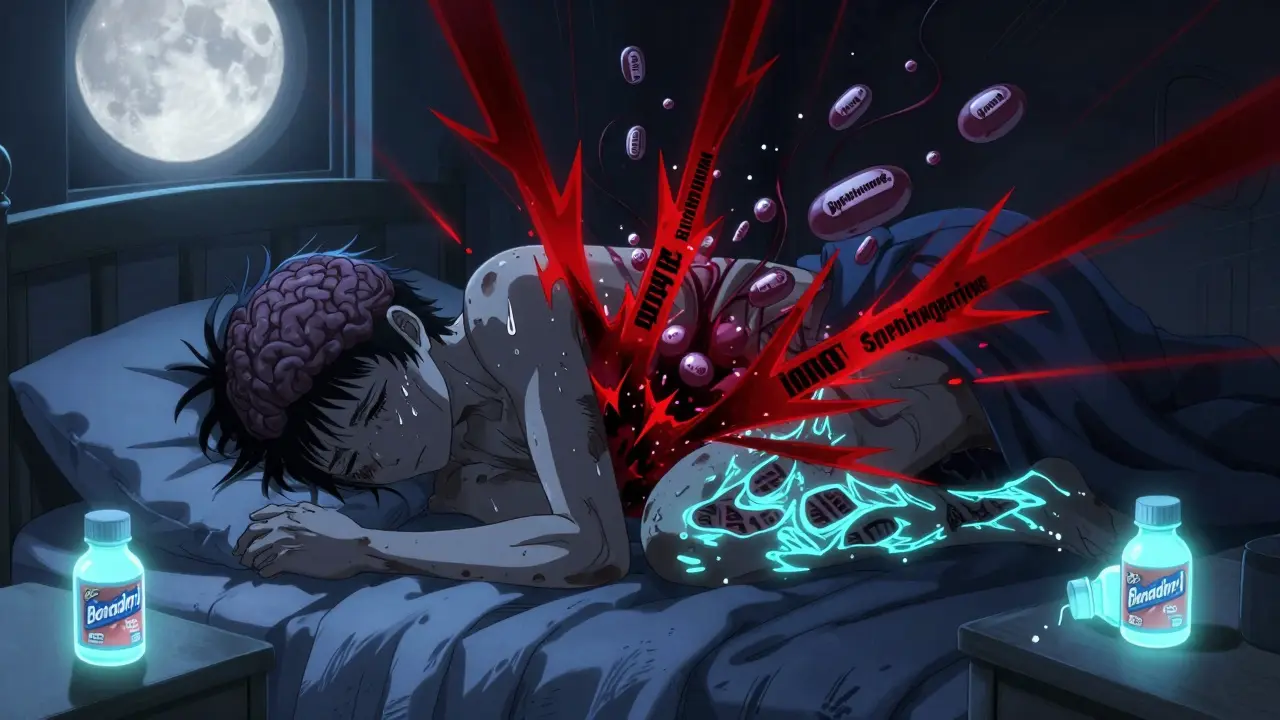
The problem isn’t allergies. It’s what’s in the medicine. Sedating antihistamines like diphenhydramine (found in Benadryl, Tylenol PM, and many nighttime cold remedies) don’t just stop sneezing-they cross into your brain and block dopamine receptors. That’s a big deal for people with RLS, because RLS is already tied to dopamine dysfunction. Think of dopamine as the brain’s natural ‘calm down’ signal for your legs. When antihistamines interfere with it, your legs scream for movement. Studies show that people taking these meds are nearly twice as likely to have worse RLS symptoms. One 2014 study of over 16,000 kidney patients found a clear link: those using sedating antihistamines had a 2.28 times higher chance of developing or worsening RLS. Even if you didn’t have RLS before, these drugs can trigger it. And it’s not just Benadryl. Chlorpheniramine (Piriton), hydroxyzine (Atarax), and promethazine (used in some cough syrups) do the same thing. These are all first-generation antihistamines. They’re cheap, effective for allergies, and easy to find-but they’re also the most dangerous for RLS sufferers.What You’re Probably Taking Without Realizing
Most people don’t check labels carefully. You think you’re taking a sleep aid or a cold remedy, but you’re actually hitting your dopamine system with a sledgehammer. Here’s what’s hiding in plain sight:- Tylenol PM - contains diphenhydramine
- Advil PM - diphenhydramine again
- Comtrex, TheraFlu, Dimetapp - often include diphenhydramine or doxylamine
- Night Nurse cough syrup - contains promethazine
- Vicks Cough and Cold - some versions have diphenhydramine
Safe Alternatives: What You Can Take Instead
The good news? There are plenty of antihistamines that won’t wreck your sleep. Second-generation antihistamines were designed to stay out of the brain. They don’t cross the blood-brain barrier easily, so they don’t interfere with dopamine. Here’s what’s safe for most RLS patients:- Fexofenadine (Allegra) - lowest risk. Only 5% of RLS patients report any worsening.
- Loratadine (Claritin) - very safe. Most users report no change in symptoms.
- Desloratadine (Clarinex) - similar to loratadine, rarely causes issues.

Non-Antihistamine Ways to Manage Allergies
You don’t need antihistamines at all. There are better, safer options:- Fluticasone nasal spray (Flonase) - reduces nasal inflammation without touching dopamine. A 2019 study found it helped 82% of RLS patients with allergy-related sleep issues.
- Saline nasal rinses - simple, cheap, and effective. Over 75% of RLS patients in one survey said it reduced nighttime congestion enough to sleep better.
- HEPA air filters - cutting allergens from your bedroom can reduce symptoms without any meds.
- Melatonin - if you’re struggling to sleep because of RLS or allergies, 0.5-5 mg of melatonin is a safe sleep aid that doesn’t worsen RLS. Around 65% of users report improved sleep without side effects.
Real Stories: What Happens When People Switch
On the RLS Foundation’s online forum, one user named RLSsurvivor wrote: “I took Benadryl for allergies and couldn’t sleep for three nights straight-my legs felt like they were on fire. Switched to Claritin and symptoms improved within 24 hours.” Another Reddit user, AllergySuffererRLS, shared: “Night Nurse made my RLS so bad I had to walk five miles to get relief. I thought I was just being dramatic. Turns out, the medicine was the problem.” These aren’t outliers. In a 2019 survey of 1,247 RLS patients in the UK, 68% said sedating antihistamines made their symptoms worse. But when they switched to safer options, 87% saw improvement.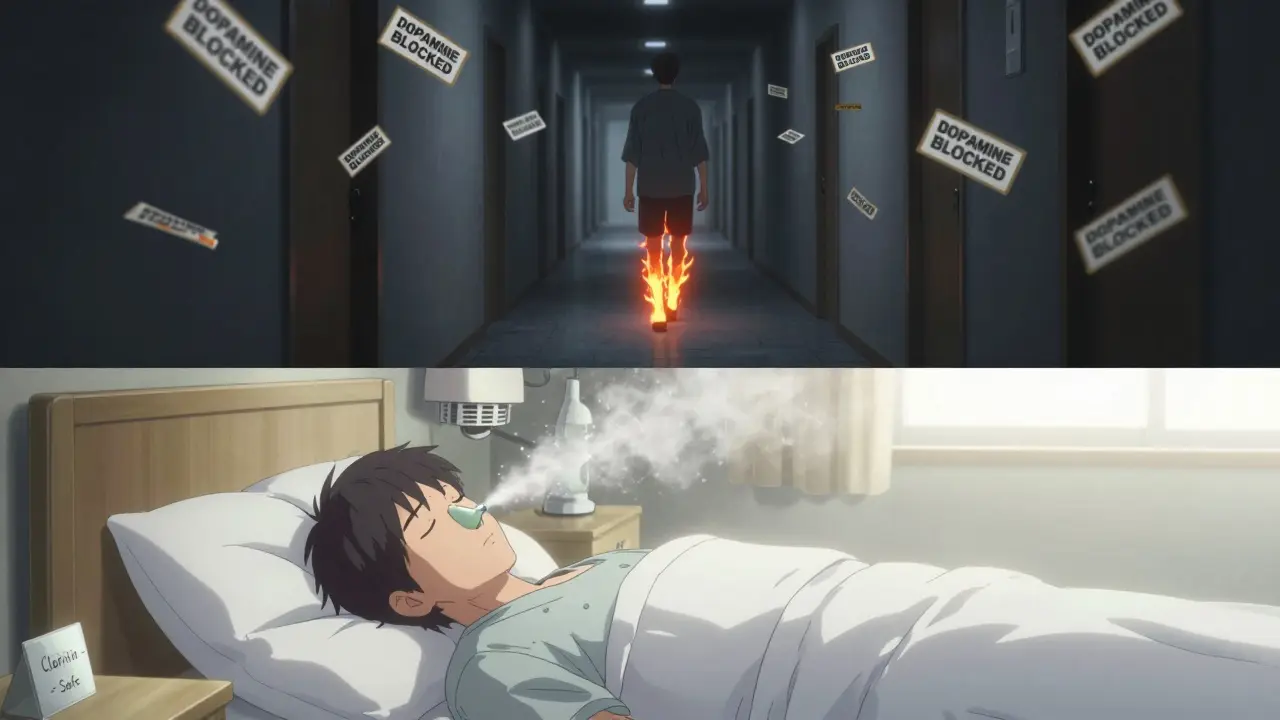
How to Protect Yourself
Here’s a simple checklist to avoid RLS triggers:- Always read the “Active Ingredients” section on the label-not just the brand name.
- Keep a list of safe medications: Allegra, Claritin, Clarinex, Flonase.
- Ask your pharmacist: “Does this contain diphenhydramine or chlorpheniramine?”
- Never take nighttime cold or sleep aids unless you’ve checked the ingredients.
- If your symptoms suddenly get worse after starting a new med, stop it and call your doctor.
Why This Matters More Than You Think
RLS isn’t just about discomfort. It’s about sleep loss, anxiety, depression, and long-term health risks. Poor sleep from RLS increases your chance of heart disease, high blood pressure, and diabetes. So avoiding the wrong meds isn’t just about comfort-it’s about protecting your body. The American Academy of Neurology updated its guidelines in 2021 to warn doctors about this exact issue. Insurance companies have caught on too: Medicare now covers second-generation antihistamines in 98% of plans, while coverage for sedating ones has dropped. That’s because the evidence is clear: these drugs hurt more than they help for RLS patients.What’s Next? Research and Hope
Scientists are still trying to figure out why some people react badly to even non-sedating antihistamines. A 2022 study is looking into genetic differences that might explain why 15-20% of RLS patients still have issues with Zyrtec or Allegra. That could lead to blood tests one day to predict which meds are safe for you. In the meantime, the message is simple: if you have RLS, treat your allergies-but don’t use the wrong tools. Your legs will thank you.Do all antihistamines make restless legs worse?
No. Only sedating antihistamines like diphenhydramine (Benadryl), chlorpheniramine (Piriton), and hydroxyzine worsen RLS because they enter the brain and block dopamine. Non-sedating antihistamines like fexofenadine (Allegra), loratadine (Claritin), and desloratadine (Clarinex) generally do not affect RLS symptoms because they stay out of the brain. Cetirizine (Zyrtec) is usually safe but can worsen symptoms in about 15% of RLS patients.
Is Zyrtec safe for people with restless legs?
Zyrtec (cetirizine) is considered a non-sedating antihistamine and is usually safe, but it carries a moderate risk for RLS patients. About 15% of people with RLS report slightly worse symptoms after taking it. For most, it’s not as bad as Benadryl, but if you’re sensitive, choose Allegra or Claritin instead-they have the lowest risk.
What cold medicine can I take if I have restless legs?
Avoid any cold medicine that contains diphenhydramine, doxylamine, or chlorpheniramine. That includes Tylenol PM, Advil PM, TheraFlu, and Night Nurse. Instead, use single-ingredient options like fexofenadine (Allegra) for allergies, or saline nasal spray and a HEPA filter for congestion. If you need pain relief, use plain acetaminophen or ibuprofen without added antihistamines.
Can antihistamines cause restless legs syndrome?
Yes. While RLS is often genetic or linked to iron deficiency, sedating antihistamines can trigger it in people who didn’t have symptoms before. Studies show these drugs increase the risk of developing RLS, especially in people with kidney disease or those taking multiple medications. If you start experiencing leg discomfort after beginning a new antihistamine, stop it and talk to your doctor.
How long does it take for RLS symptoms to improve after stopping antihistamines?
Most people notice improvement within 24 to 48 hours after stopping a sedating antihistamine. For some, symptoms fade quickly once the drug clears their system. In cases where symptoms were severely worsened, it may take a few days to a week for full recovery. If symptoms don’t improve after a week, see a doctor to rule out other causes.
Write a comment
Items marked with * are required.




9 Comments
sue spark December 15, 2025 AT 19:02
I had no idea antihistamines could do this to your legs
James Rayner December 16, 2025 AT 09:23
Man… I took Benadryl for years thinking it was just helping me sleep. Turns out I was just torturing my nervous system. I switched to Claritin last fall and my legs finally stopped screaming at 2 a.m. 🙏 I didn’t even realize how much pain I’d been living with until it was gone. It’s wild how something so common can be so quietly destructive.
Kayleigh Campbell December 17, 2025 AT 20:14
So basically, if you're tired of your legs acting like they're in a rave, don't blame your mattress-blame the pharmacy aisle. 🤦♀️ I once took Tylenol PM because I thought ‘PM’ meant ‘peaceful.’ Nope. It meant ‘painful, restless, and wide awake.’ Thanks, Big Pharma, for the sneaky dopamine sabotage.
Ron Williams December 19, 2025 AT 07:52
I’ve seen this in my clinic. People come in saying they can’t sleep, and it’s not stress or anxiety-it’s a bottle of NyQuil on their nightstand. We need way more public awareness. Pharmacists should be required to flag these when you pick up meds. Not everyone reads the tiny print. And if you’re over 50? Even more critical. Your body doesn’t metabolize these the way it used to.
Dan Padgett December 20, 2025 AT 15:33
RLS is like your legs whispering, ‘I’m not okay,’ and you’re too tired to listen. Then you pop a Benadryl and suddenly they’re SCREAMING. I used to think I was just ‘restless.’ Turns out I was just poisoned by allergy medicine. Now I use saline rinses and a HEPA filter. My legs? They’re chill. Like, Netflix-and-chill chill. 🌿
Kitty Price December 22, 2025 AT 11:13
I switched to Allegra after reading this and my sleep changed overnight. Like, actual sleep. No pacing. No foot-tapping. No guilt. I even started reading before bed again. 🥹 It’s not just about comfort-it’s about reclaiming your night. Also, I now check every OTC med like it’s a bomb. Worth the extra 30 seconds.
Arun ana December 24, 2025 AT 05:35
Big shoutout to the RLS Foundation for putting this out there. I’ve been telling my friends for years: ‘Don’t take that stuff!’ But now I can just send them this post. 😎 Also, melatonin? Game changer. I take 1mg and sleep like a baby. No more 3 a.m. leg marathons. 🌙
Aditya Kumar December 24, 2025 AT 21:22
Why do people even make meds like this? Just to sell more? I don’t even have RLS but I’m scared to take anything now. This post gave me anxiety. 😅
SHAMSHEER SHAIKH December 26, 2025 AT 18:30
Dear fellow human beings: This is not merely a medical advisory-it is a moral imperative. The pharmaceutical industry has, for decades, weaponized convenience over cognition. Sedating antihistamines are not ‘harmless sleep aids’-they are neurochemical grenades disguised as cough syrup. We owe it to our bodies, to our sleep, to our dignity, to read labels with the same vigilance we apply to our diets. Your legs are not accessories. They are vessels of your vitality. Protect them. Choose Allegra. Choose Claritin. Choose life.