Health July 21, 2026
Managing Medication Side Effects: Evidence-Based Complementary Treatments
Complementary Therapy Safety Checker
Disclaimer: This tool is for educational purposes only and does not replace professional medical advice. Always consult your doctor before starting any new treatment.
Recommendation:
Medication saves lives, but the side effects can make daily life miserable. Nausea from chemotherapy, fatigue from antidepressants, or constipation from painkillers are just a few examples of how treatment can feel like a trade-off. You might be looking for a way to ease these symptoms without stopping your prescribed drugs. This is where complementary treatments come in. But not all natural remedies are safe, and some can actually interfere with your medicine.
The goal isn't to replace your doctor’s prescription. It is to support your body so you can tolerate your treatment better. The National Center for Complementary and Integrative Health (NCCIH) notes that millions of people use these methods alongside conventional care. However, the line between helpful and harmful is thin. Understanding which options have real scientific backing-and which ones carry hidden risks-is essential for your safety.
What Counts as an Evidence-Based Complementary Treatment?
Not every herbal tea or massage therapist has the same level of scientific support. Evidence-based complementary treatments are therapies that have been tested in clinical trials and shown to provide measurable benefits for specific symptoms, such as reducing nausea or improving sleep quality. These differ from unproven alternatives that rely solely on anecdotal stories.
According to data from the NCCIH, about 38% of U.S. adults used some form of complementary and alternative medicine (CAM) in recent surveys. A significant portion of this usage-nearly half among those seeking symptom relief-is aimed at managing medication side effects. The most common categories include:
- Mind-body practices: Techniques like meditation, yoga, and acupuncture that influence physical health through mental focus and nerve stimulation.
- Natural products: Herbs, vitamins, and minerals taken orally.
- Manipulative and body-based methods: Physical manipulations like massage therapy.
The key distinction here is "evidence-based." For example, while many herbs are popular, only a few have robust data supporting their safety and efficacy when combined with pharmaceuticals. Relying on treatments with documented outcomes reduces guesswork and lowers the risk of adverse reactions.
Top Evidence-Backed Options for Common Side Effects
Certain complementary therapies have stood up to rigorous testing for specific medication-related issues. Here is what the research says about the most effective options.
| Treatment | Target Side Effect | Evidence Level & Efficacy | Safety Profile |
|---|---|---|---|
| Acupuncture | Nausea, Pain, Constipation | High. A 2017 JAMA Oncology meta-analysis showed a 36% reduction in chemotherapy-induced nausea. A 2020 Cochrane review found a 32% greater reduction in opioid-induced constipation compared to standard care alone. | Very High. Minimal risk of serious adverse events when performed by licensed practitioners. |
| Ginger (Zingiber officinale) | Nausea | Moderate-High. A 2013 study published in the Journal of Pain and Symptom Management found ginger reduced chemotherapy-induced nausea by 40% at doses of 0.5-1.0g daily. | High. Generally well-tolerated. Mild heartburn or mouth irritation possible. Caution with blood thinners. |
| Meditation/Mindfulness | Anxiety, Fatigue, Pain Perception | Moderate. Shown to reduce perceived stress and improve quality of life in cancer and chronic disease patients. Helps modulate the nervous system's response to discomfort. | Very High. No physical side effects. May cause temporary emotional discomfort as suppressed feelings surface. |
| Hawthorn (Crataegus spp.) | Cardiovascular Support | Moderate. Used for mild heart failure symptoms. A 2022 American Heart Association statement notes it is generally well-tolerated but requires monitoring. | Moderate. Can interact with heart medications like digoxin and beta-blockers. Risk of dizziness or gastrointestinal upset. |
Acupuncture stands out as one of the safest and most effective tools. By stimulating specific points, it helps regulate the body’s nervous system, which can directly counteract nausea and pain signals exacerbated by drugs. Ginger is another powerhouse for digestive distress. Unlike anti-nausea pills that might make you drowsy, ginger works naturally to settle the stomach. However, even these safe options require caution if you are on blood-thinning medication, as ginger can slightly increase bleeding risk.
The Hidden Dangers: Herbal Interactions and Risks
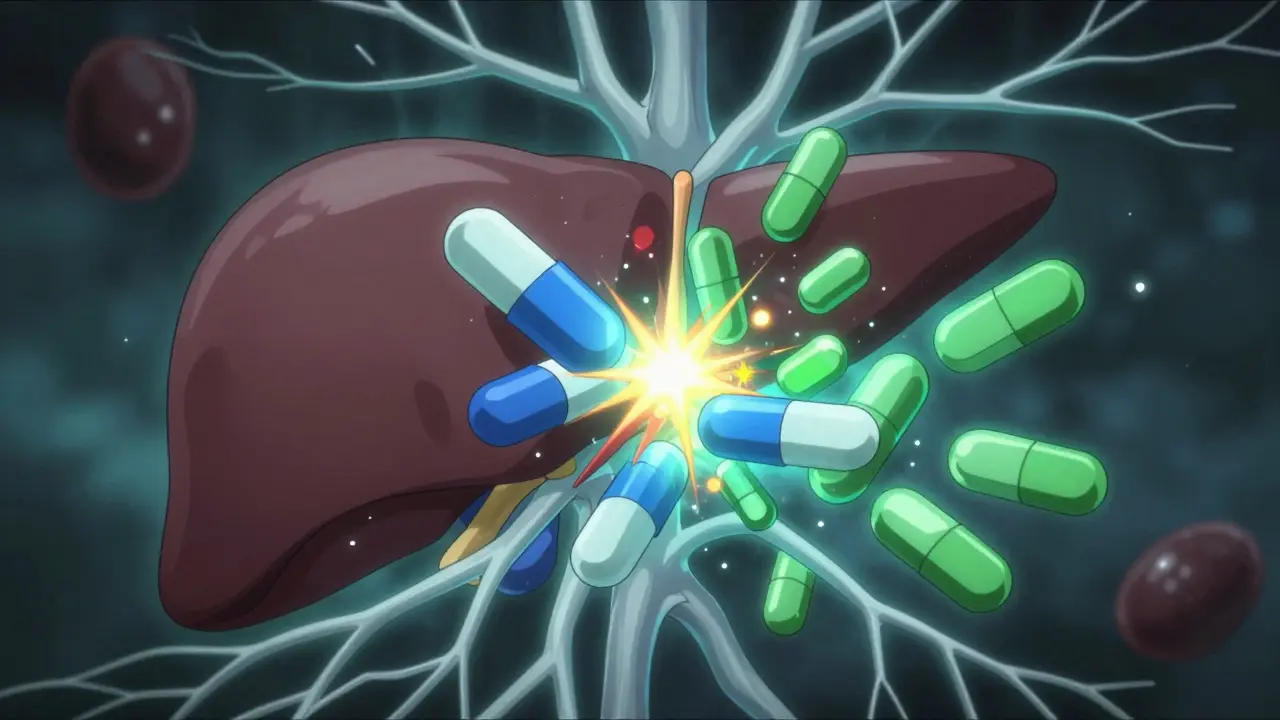
The word "natural" does not mean "safe." In fact, herbal supplements are potent biochemical substances that can clash dangerously with prescription drugs. This is known as a drug-herb interaction. When you take a supplement, it travels through your liver and kidneys-the same organs that process your medication. If both compete for the same processing pathways, one may build up to toxic levels, or the other may become ineffective.
Consider these critical warnings based on recent medical literature:
- Blue Cohosh: Often used for pain, but the American Heart Association warns it can cause tachycardia (fast heart rate), high blood pressure, and chest pain. It may also spike blood glucose levels, complicating diabetes management.
- Lily of the Valley: Dangerous for heart patients. It can lower potassium levels severely (hypokalemia) when taken with digoxin, a common heart failure medication. Low potassium can lead to fatal arrhythmias.
- Echinacea: Popular for immunity, but risky for lymphoma patients or those on immunosuppressants. It stimulates the immune system, which can counteract drugs designed to suppress it.
- Antioxidants (Vitamins A, C, E, Selenium): Cancer Research UK highlights a major concern: antioxidants might protect cancer cells from chemotherapy or radiation damage. While they heal healthy tissue, they could inadvertently shield tumors during treatment.
A study published in the Journal of Clinical Oncology found that over 50% of cancer patients used complementary medicines, yet 12.2% required health warnings due to potential interactions. Many patients were unaware that supplements like garlic, ginkgo, or ginseng could alter the effectiveness of their primary treatments. For instance, garlic can intensify the effects of aspirin or lisinopril, leading to excessive bleeding or dangerous drops in blood pressure.
Why Patients Don’t Tell Their Doctors (And Why They Should)
There is a massive communication gap between patients and healthcare providers regarding complementary treatments. In a UK hospital study, only 20.9% of patients disclosed their CAM use to their doctors within a month of starting it. Why? Fear of judgment, belief that "it’s just a vitamin," or simply forgetting to mention it in a busy appointment.
This silence is risky. Doctors prescribe medications based on the assumption that no other active ingredients are interfering. If you are taking St. John’s Wort, for example, it can render birth control pills, antidepressants, and transplant rejection drugs ineffective. If you are taking milk thistle for liver support, it might alter how your chemotherapy is metabolized, potentially leading to toxicity-as one Reddit user shared after being hospitalized for liver issues.
To bridge this gap, experts recommend a simple protocol: keep a written list of every pill, herb, tea, and supplement you take. Bring this list to every appointment. Ask specifically: "Could this interact with my current medication?" Most doctors appreciate the transparency and will help you navigate safe options rather than dismissing them outright.
How to Safely Integrate Complementary Therapies
Integrating these treatments doesn’t mean going rogue. It means working collaboratively with your healthcare team. Here is a step-by-step approach to doing it safely:
- Consult Before Starting: Never add a new supplement or therapy without discussing it with your prescriber. Even seemingly harmless things like turmeric or omega-3s can affect bleeding risks.
- Use Reputable Sources: Avoid random online forums. Look for information from established institutions like the Mayo Clinic, Memorial Sloan Kettering’s About Herbs database, or the NCCIH. These sources update their interaction alerts regularly.
- Start Low and Go Slow: If approved, start with the lowest effective dose. Monitor your body for any new symptoms, such as increased drowsiness, changes in appetite, or unusual bruising.
- Choose Licensed Practitioners: For acupuncture or massage, ensure the provider is licensed and experienced in working with medical patients. Tell them about your diagnosis and medications before the session.
- Document Everything: Keep a log of when you take supplements and when you experience side effects. This data helps your doctor identify patterns and adjust treatments if needed.
Dr. Lillian Nanashima, Director of Integrative Medicine at Mayo Clinic, emphasizes that the focus should always be on "evidence-based complementary treatments to provide the right care for each person." This personalized approach ensures that the therapy enhances your recovery rather than hindering it.

Regulatory Gaps and What They Mean for You
Unlike prescription drugs, dietary supplements are not rigorously tested for safety and efficacy before hitting the market. In the U.S., the Dietary Supplement Health and Education Act of 1994 allows manufacturers to sell products without proving they work. This leads to issues like contamination, incorrect dosages, and undeclared ingredients.
The Better Health Channel warns that many complementary medicines contain active ingredients people don’t recognize. Cases of heavy metal contamination in herbal powders or steroid-like compounds in weight-loss supplements are not rare. The European Union has stricter regulations under the Traditional Herbal Medicinal Products Directive, but even there, comprehensive interaction testing is lacking.
To mitigate this risk, look for third-party certification seals on supplement bottles, such as USP (United States Pharmacopeia) or NSF International. These organizations test products to ensure they contain what the label says and are free from harmful contaminants. While this adds cost, it adds a crucial layer of safety.
Future Directions: Precision Complementary Care
The field is moving toward personalization. The NIH’s Precision CAM initiative, launched in 2023, aims to develop biomarkers that predict how individuals will respond to complementary therapies. Imagine knowing beforehand whether acupuncture will significantly reduce your specific type of neuropathy or if ginger will effectively stop your chemo-induced nausea without interacting with your drugs.
With the global CAM market growing rapidly, driven by patient demand for holistic care, hospitals are increasingly adopting integrative models. Over 73% of U.S. cancer centers now offer some form of integrative medicine service. The future lies in combining the best of modern pharmacology with proven traditional practices, monitored closely by science and guided by open communication between you and your doctor.
Can I take ginger with chemotherapy?
Yes, ginger is often recommended for chemotherapy-induced nausea. Studies show it can reduce nausea by up to 40%. However, because ginger can thin the blood, you must consult your oncologist first, especially if you have low platelet counts or are taking blood thinners.
Is acupuncture safe for everyone?
Acupuncture is generally very safe when performed by a licensed practitioner using sterile needles. It is particularly effective for pain, nausea, and anxiety. However, it may not be suitable for people with severe bleeding disorders or those who have had radiation therapy to the skin area where needles would be inserted.
Which herbs should I avoid if I am on heart medication?
If you are taking digoxin, warfarin, or beta-blockers, avoid blue cohosh, lily of the valley, and hawthorn unless explicitly approved by your cardiologist. These herbs can alter heart rhythm, blood pressure, and potassium levels, leading to dangerous interactions.
Do antioxidants interfere with cancer treatment?
There is a significant concern that high-dose antioxidants (like vitamins C and E) may protect cancer cells from the oxidative damage caused by chemotherapy and radiation. Cancer Research UK advises caution and recommends discussing any antioxidant supplementation with your oncology team before starting.
How do I know if a supplement is contaminated?
Look for third-party testing seals like USP, NSF, or ConsumerLab on the product label. These organizations verify that the supplement contains the ingredients listed and is free from heavy metals, pesticides, and other contaminants. Buying from reputable pharmacies rather than unknown online sellers also reduces risk.