PharmaSea - Page 7
Global Perspectives on Generics: How Countries Cut Drug Costs Without Sacrificing Quality
Global policies on generic drugs vary widely-from China's bulk buying to South Korea's tiered pricing. Discover how countries cut costs, the risks of price wars, and why quality can't be ignored.
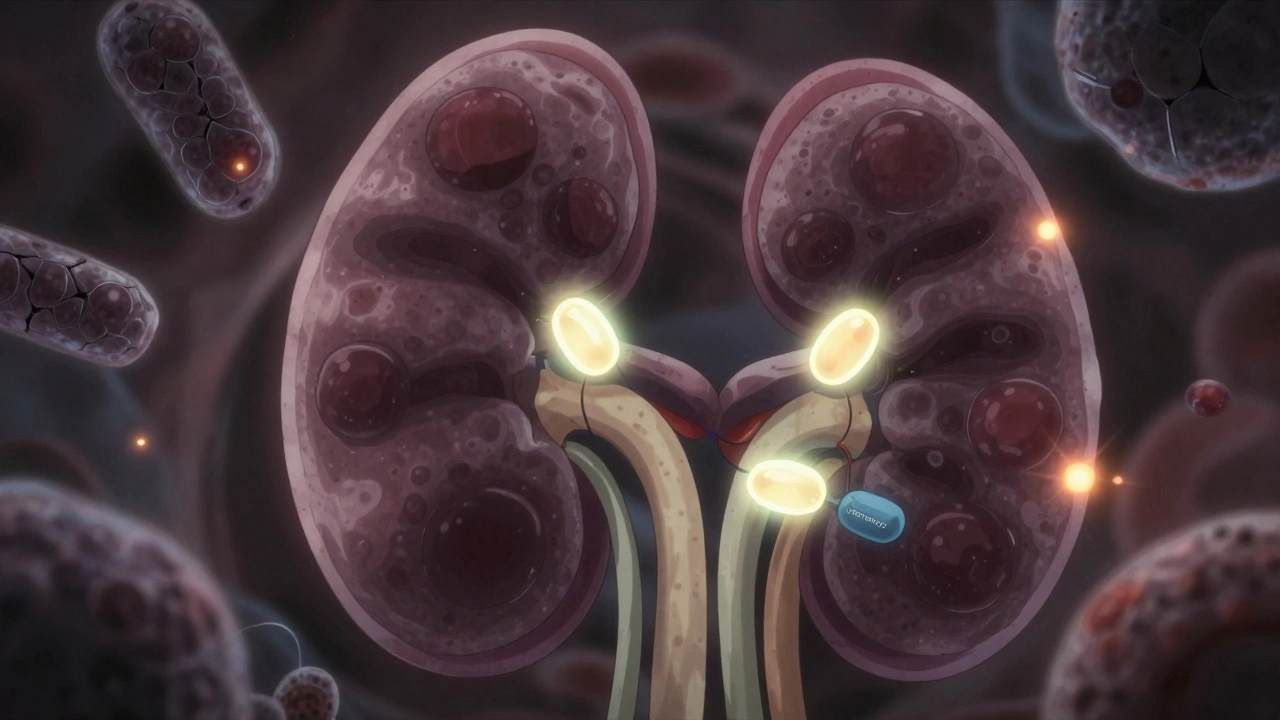
Aminoglycoside Antibiotics and Kidney Damage: What You Need to Know About Nephrotoxicity
Aminoglycoside antibiotics like gentamicin are life-saving for severe infections but carry a 10-25% risk of kidney damage. Learn how nephrotoxicity develops, who's at risk, and how dosing strategies can reduce harm.
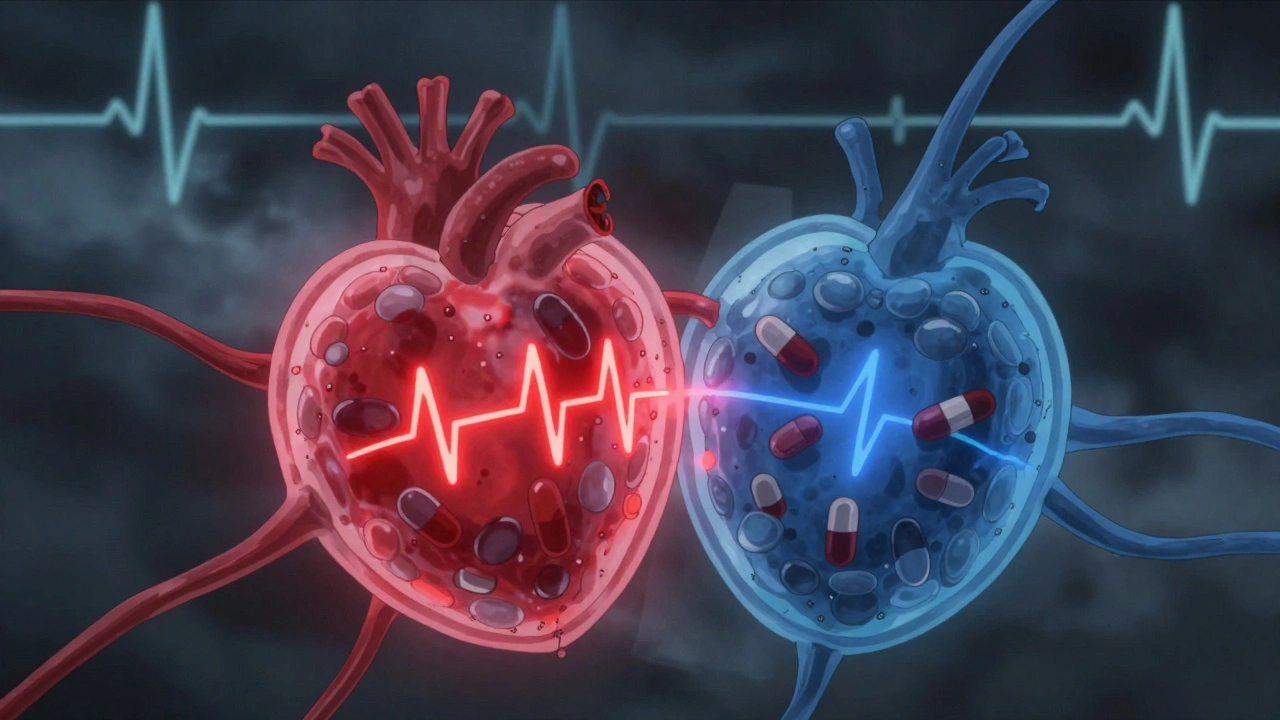
Beta-Blockers and Calcium Channel Blockers: What You Need to Know About Combination Therapy
Beta-blockers and calcium channel blockers can be combined safely for some patients with high blood pressure or angina, but only with careful screening. This article explains which combinations work, which are dangerous, and what tests you need before starting.
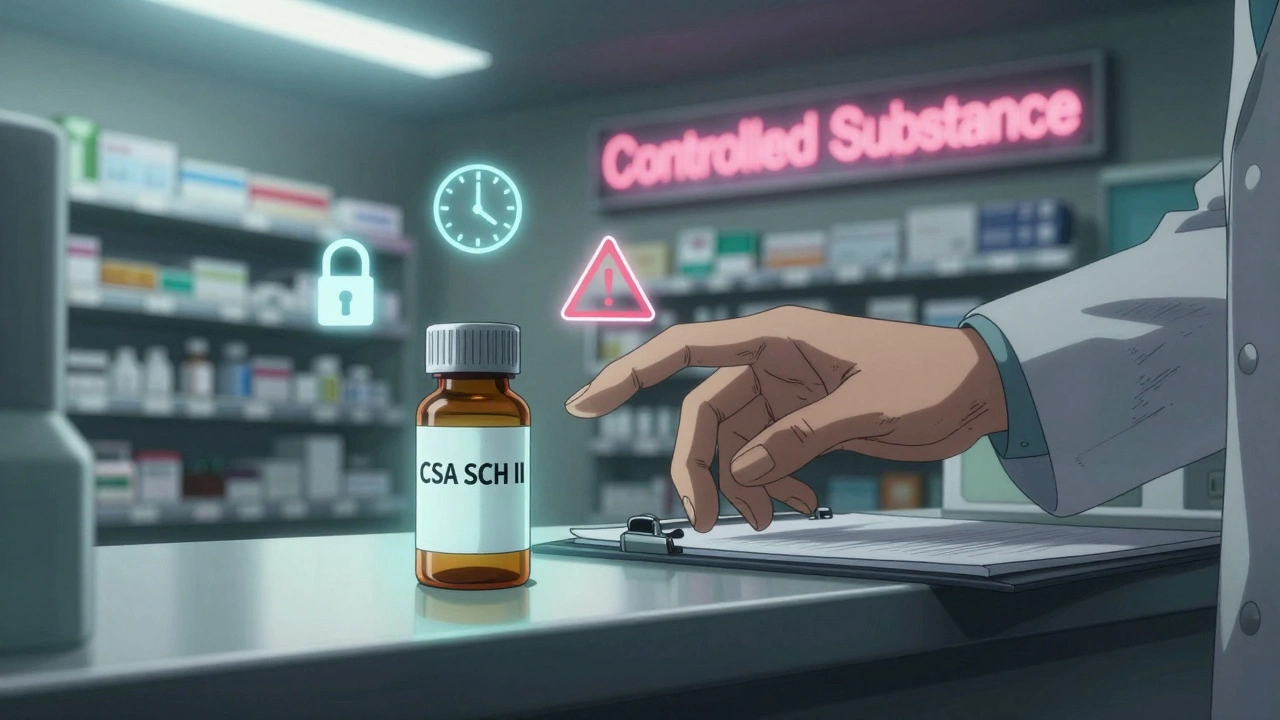
Understanding Controlled Substance Labels and Schedule Codes
Learn how controlled substance labels and DEA schedule codes work-what each schedule means, how refills work, and why your prescription label has specific markings. Know your rights and responsibilities with opioid, anxiety, and sleep meds.
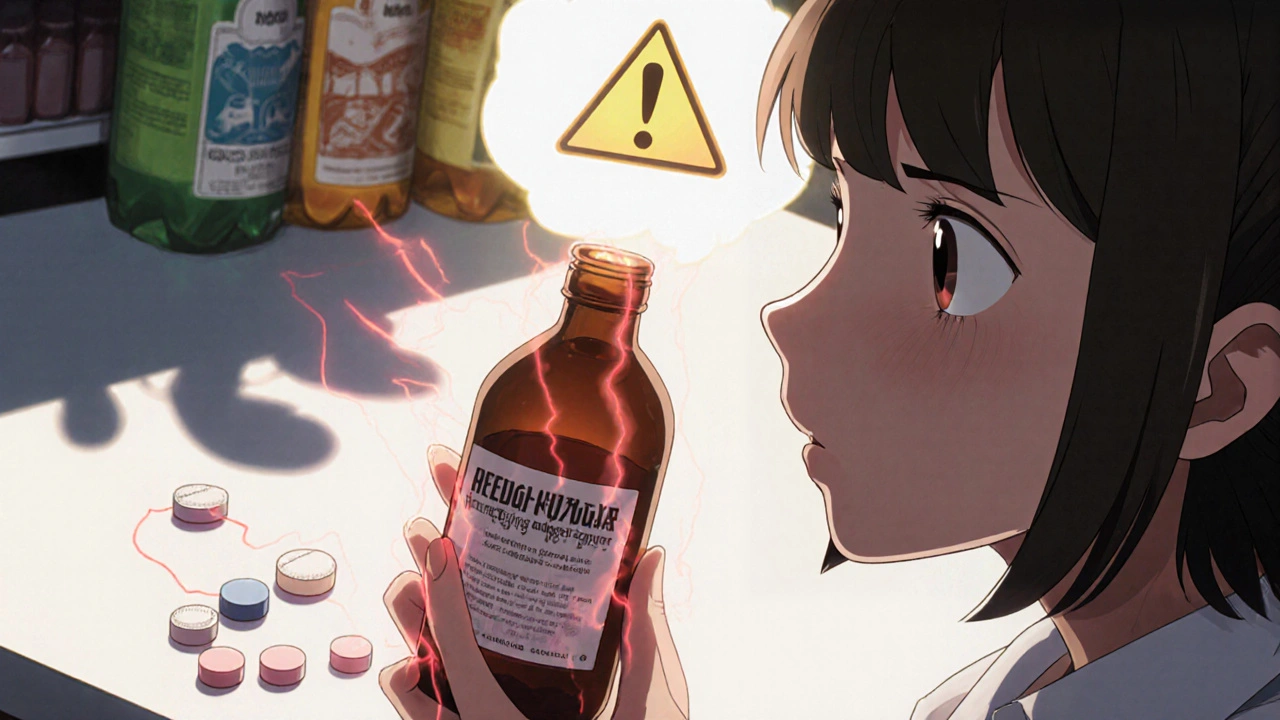
Kombucha and Alcohol-Sensitive Medications: What You Need to Know Before You Drink
Kombucha contains trace alcohol that can interact dangerously with medications like metronidazole, antidepressants, and diabetes drugs. Learn what to avoid and how to stay safe.
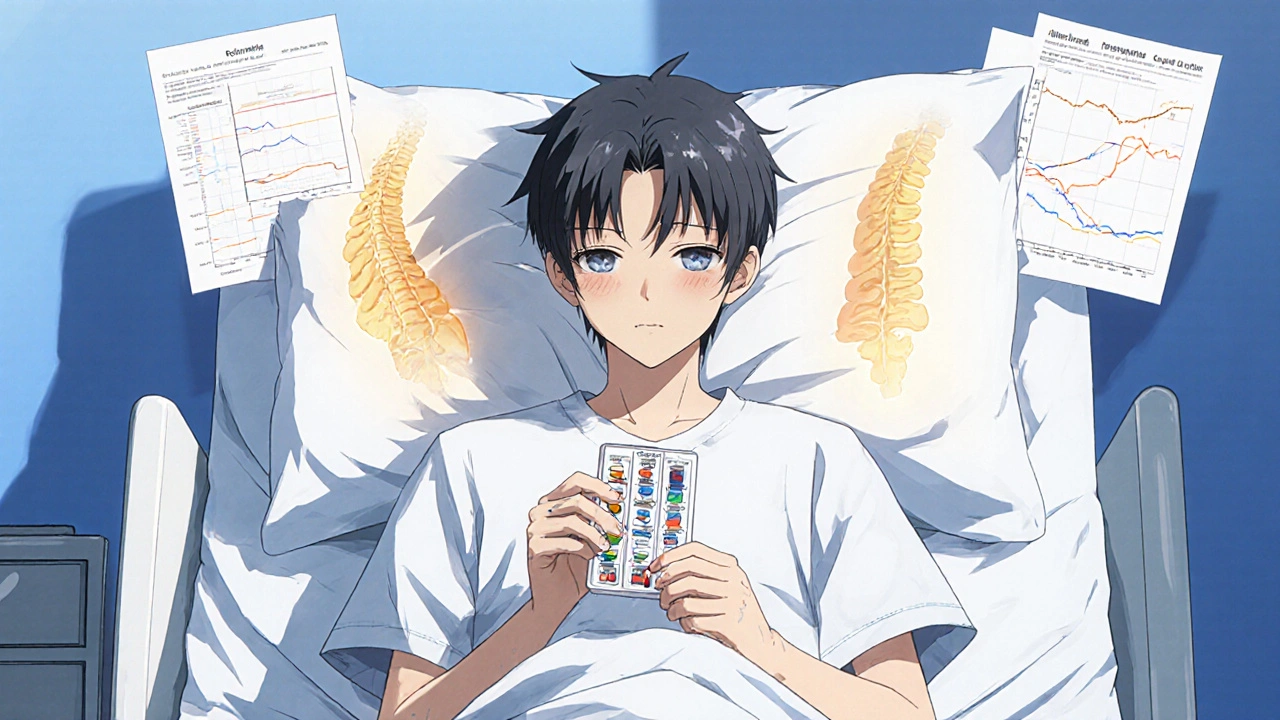
Steroid Tapering: How to Safely Reduce Steroids Without Withdrawal or Disease Flare
Learn how to safely taper off steroids like prednisone to avoid adrenal crisis, withdrawal symptoms, and disease flares. Step-by-step guidance based on current medical guidelines.

Muscle Aches from Statins: What Really Happens and What to Do Next
Muscle aches from statins are common but often misunderstood. Learn what’s truly causing the pain, how to tell if it’s the medication, and what to do next-without risking your heart health.

Eosinophilic Esophagitis: Food Triggers and Steroid Slurries Explained
Eosinophilic esophagitis is a food-triggered immune disorder causing swallowing problems. Learn how eliminating dairy or using steroid slurries can reduce inflammation and restore normal function.

Acne Scars: Microneedling, Lasers, and Topical Strategies That Actually Work
Acne scars can be improved with microneedling, lasers, and topical treatments. Learn which options work best for different scar types, downtime expectations, and how to combine treatments for lasting results.
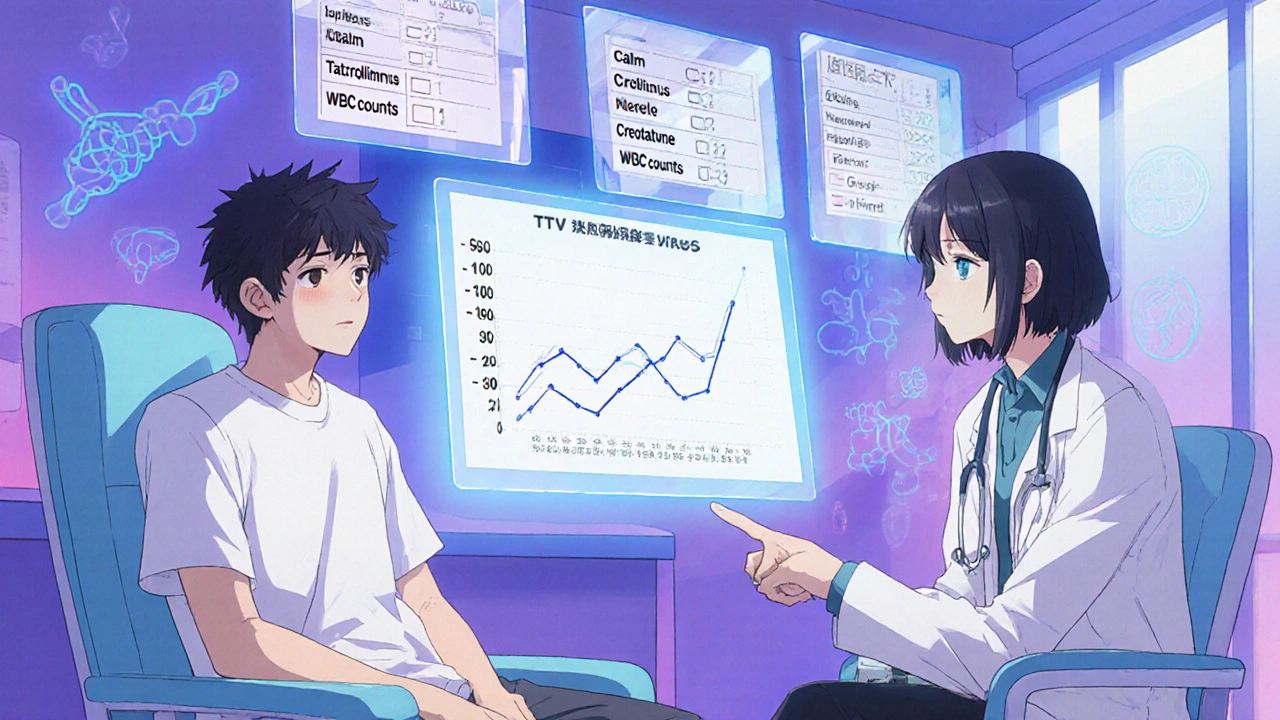
Monitoring During Immunosuppressive Therapy: Essential Lab Tests and Imaging for Safety and Effectiveness
Effective monitoring during immunosuppressive therapy uses lab tests and imaging to balance rejection risk with drug toxicity. Learn which blood tests, drug levels, and scans matter most-and how new tools like TTV are changing care.

Common Cold vs Flu: Symptoms, Risks, and When Antivirals Actually Help
Learn the key differences between common cold and flu symptoms, when antivirals help, and how to avoid serious complications. Know what to do-and when to act fast.

Tinnitus Retraining Therapy: How Habituation and Sound Therapy Reduce Tinnitus Distress
Tinnitus Retraining Therapy (TRT) helps your brain ignore tinnitus through habituation and low-level sound therapy. It doesn't eliminate the sound-it changes how you react to it. Learn how this science-backed method works and who it's right for.